USC Scientists Create Target for Cancer Cells to Attack Tumors
Researchers at USC have developed a breakthrough system that uses ultrasound to temporarily mark solid tumors, helping immune cells finally fight cancers they couldn't see before. The technology could transform treatment for brain, liver, lung, breast, and pancreatic cancers.
For over a decade, CAR-T cell therapy has saved lives by reprogramming patients' immune systems to destroy blood cancers. But solid tumors like brain, liver, and lung cancers have remained invisible to these powerful cells, leaving millions without hope.
Scientists at USC Viterbi School of Engineering just changed the game. They created SHIFTERS, a system that doesn't hunt for tumor markers that may not exist but instead temporarily creates one that immune cells already know how to attack.
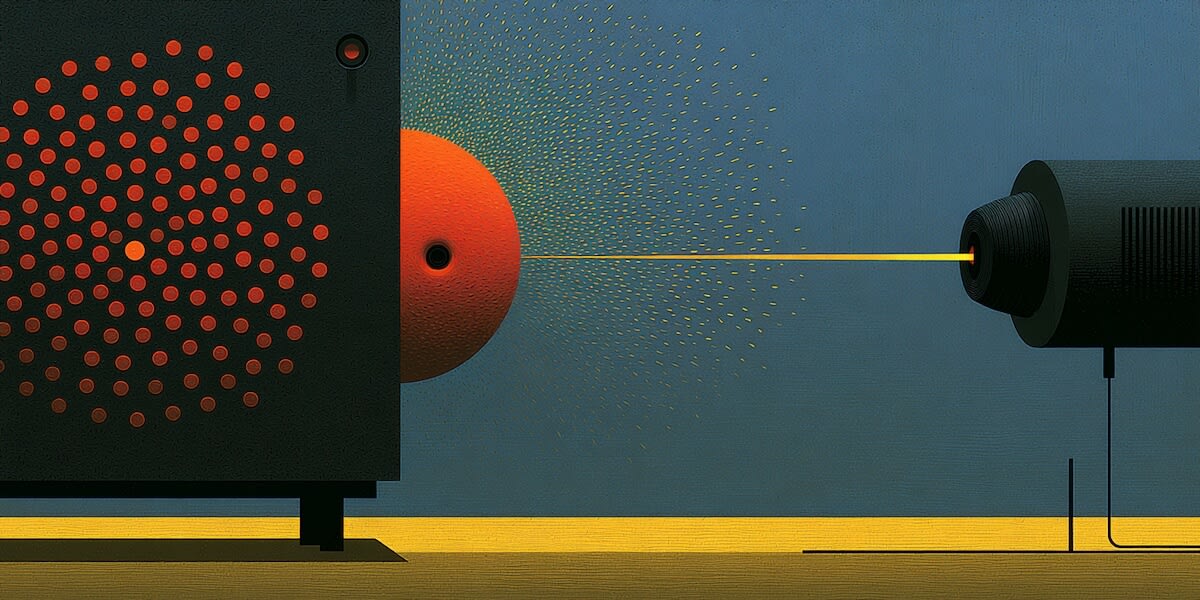
Here's how it works: doctors use focused ultrasound to target tumors deep inside the body without surgery. The ultrasound acts like a key, and the tumor's low oxygen level acts like a second key. Only when both conditions are present do cancer cells briefly display CD19, a marker that tells engineered immune cells exactly where to strike.
"Instead of trying to search for a perfect antigen, we basically force them to produce one," said Peter Yingxiao Wang, professor of biomedical engineering at USC. The temporary marker stays visible for about a week, giving doctors complete control over when and where treatment begins.
The team tested SHIFTERS in lab models, 3D tumor environments, and finally in animals carrying human brain and liver tumors. Every stage showed the same promising results: tumors treated with ultrasound shrank dramatically while untreated tumors kept growing.
The Ripple Effect
The researchers discovered something remarkable they didn't expect. Even when only 10% to 25% of tumor cells displayed the temporary marker, CAR-T cells launched a full-scale attack on the entire tumor. Those marked cells became training centers, teaching immune cells to recognize and destroy neighboring cancer cells that never even showed the marker.
Doctoral student Tianze Guo explained that they expected to need far more marked cells for success. This finding means the treatment could be even more practical and effective than initially hoped.
The technology is still years from reaching patients. Researchers need to perfect delivery methods, likely using lipid nanoparticles or modified viruses, before moving to human trials. Wang acknowledges the road ahead requires technical advances and substantial funding.
But for the first time, millions of solid tumor patients might have the same fighting chance that blood cancer patients gained a decade ago. The team continues refining the system, rewiring both tumors and immune cells to work together in ways nature never intended.
Based on reporting by Google News - New Treatment
This story was written by BrightWire based on verified news reports.
Spread the positivity!
Share this good news with someone who needs it