Utah Launches Plug-In Solar Revolution Across America
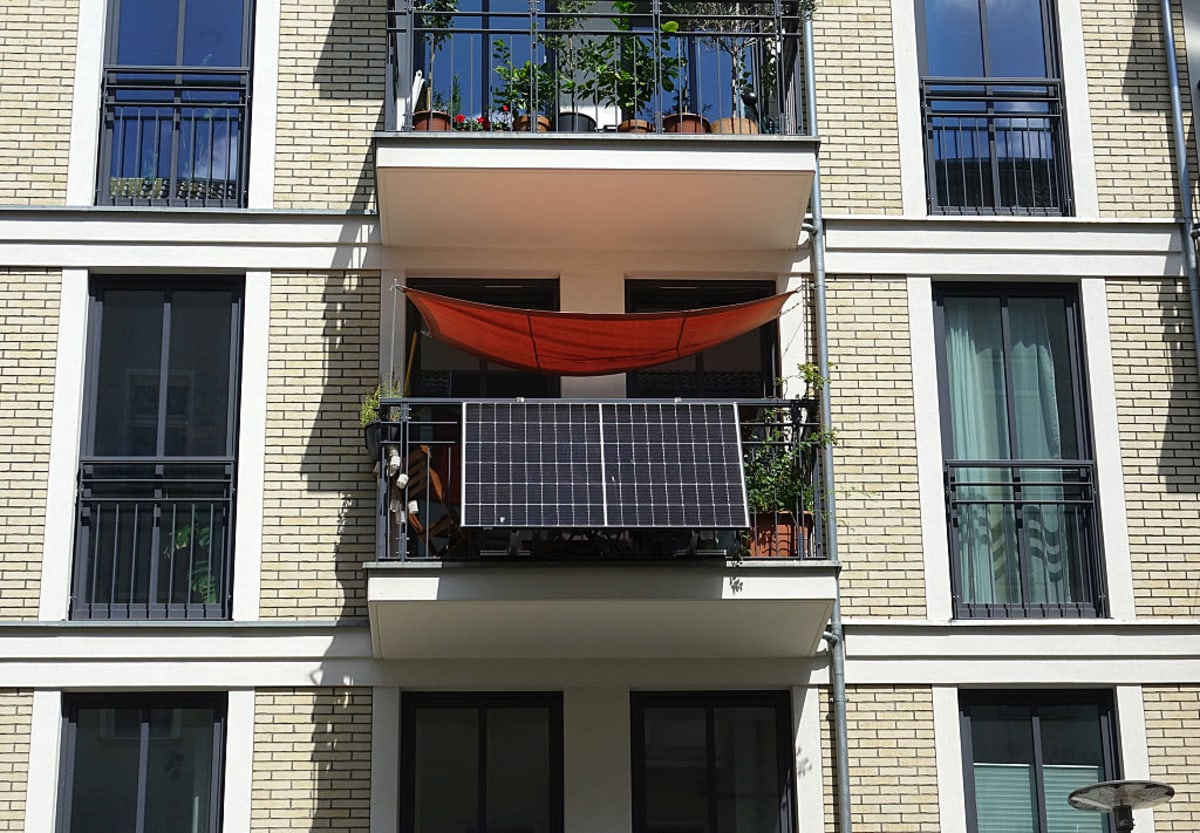
A Republican lawmaker in deep-red Utah sparked a clean energy movement that's now spreading to 30 states. Inspired by Europe's "balcony solar" success, his simple idea could make renewable energy accessible to millions of renters and homeowners.
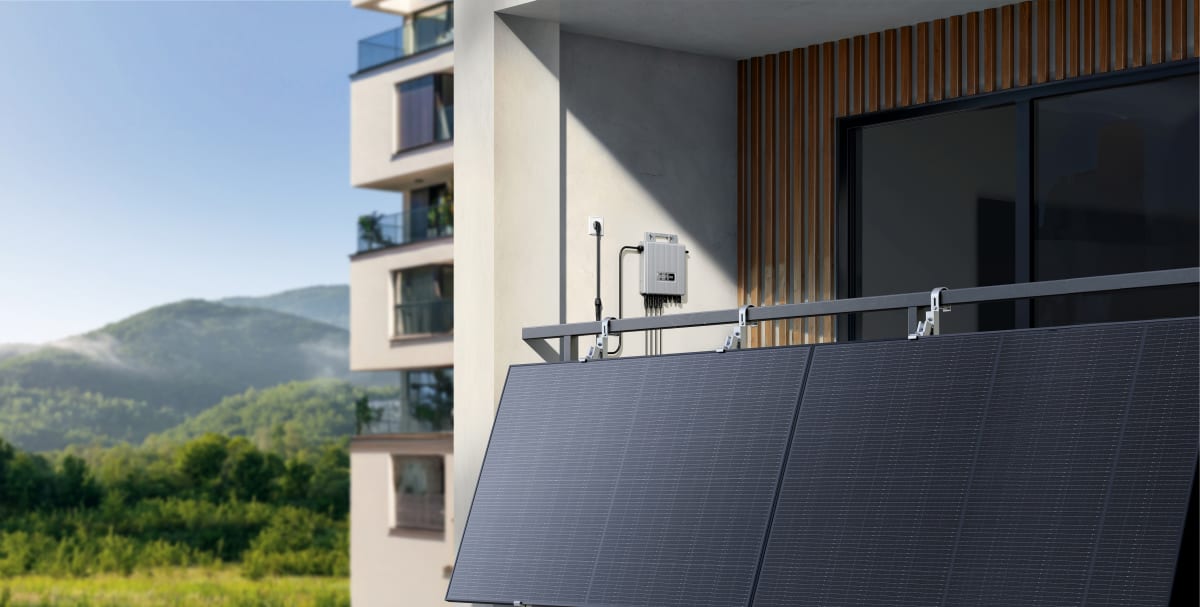
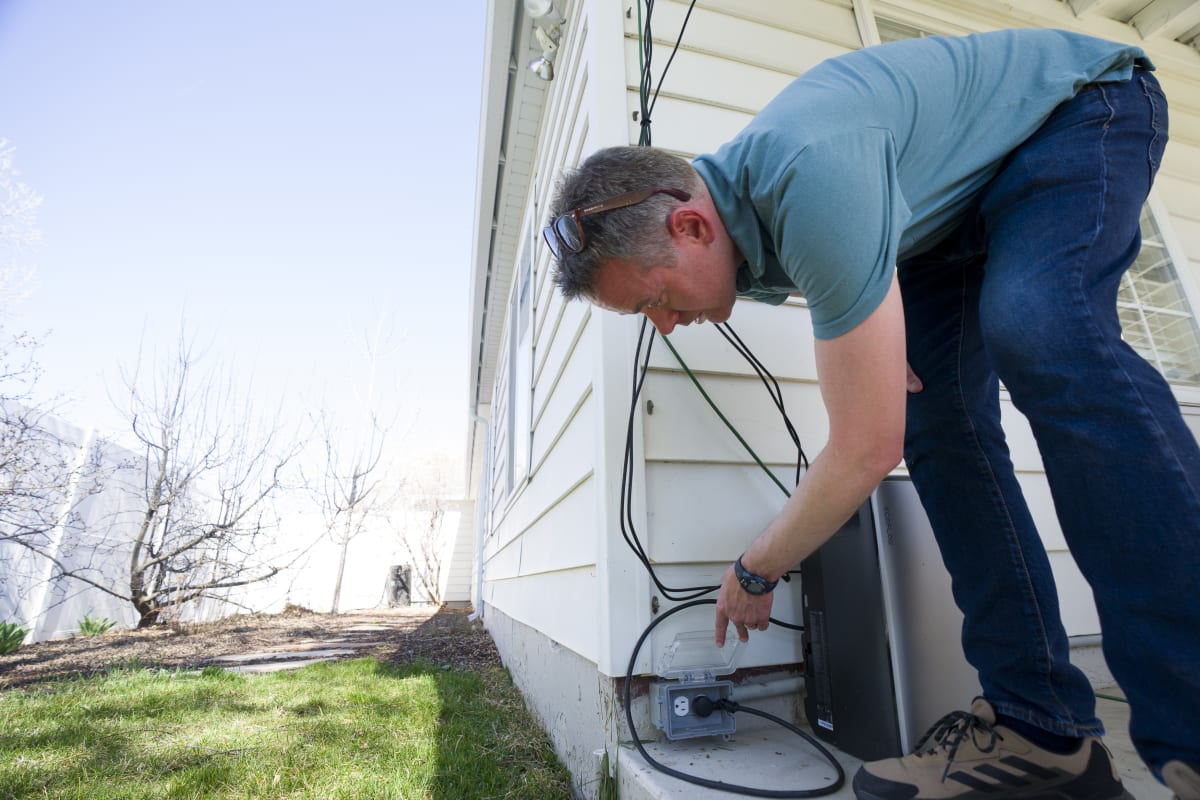
What if you could generate solar power as easily as plugging in a toaster?
Utah State Representative Raymond Ward read about plug-in solar panels booming across Europe and thought, why not here? The Republican lawmaker from conservative Utah championed a bill that could transform how everyday Americans access clean energy.
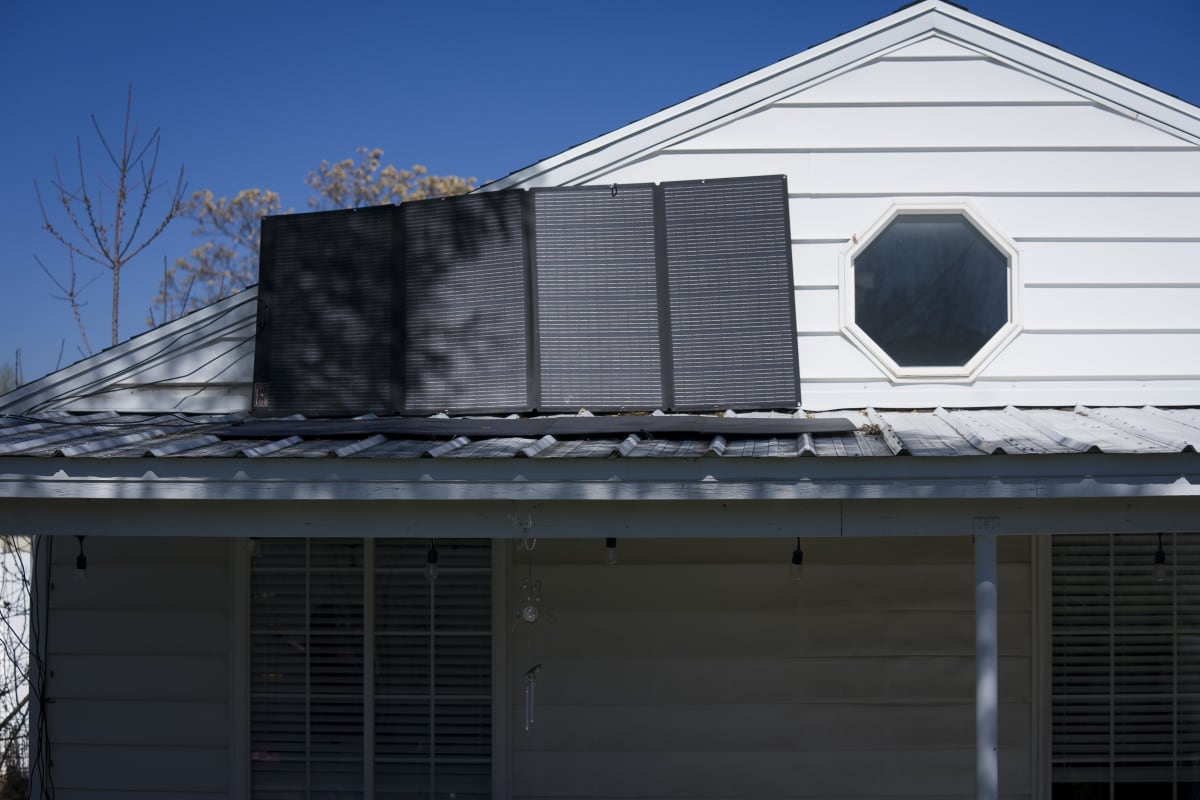
Ward's idea was simple but revolutionary. Instead of spending $30,000 on rooftop solar installations, people could plug portable solar panels directly into standard outlets. The panels generate electricity that flows backward through your home's wiring, cutting utility bills without expensive professional installation.
Utah became the first state to pass legislation allowing these systems in 2023. The bill sailed through with unanimous bipartisan support, proving clean energy innovation can unite even the most divided political landscapes.
The ripples started immediately. Since Utah's breakthrough, 30 states plus Washington D.C. have drafted similar bills. Maine's governor signed one this month. Virginia's awaits the governor's signature. Colorado and Maryland have passed legislation through both chambers.
"Thank you, Utah," said Cora Stryker from advocacy group Bright Saver. "It's a common-sense, no-brainer thing that should keep sweeping the country."
Ward worked closely with Rocky Mountain Power, Utah's largest electricity provider, to address safety concerns. Power companies worried about workers getting electrocuted while repairing lines they thought were off but were still receiving electricity from balcony panels.
The solution? Utah's law required Underwriters Laboratories (UL), the company that safety-tests everything from extension cords to smoke detectors, to develop certification standards for plug-in solar. UL took the challenge seriously, spending months testing how the panels interact with home wiring and circuit breakers.
"We're making sure we keep consumers safe while they get the benefits of participating in the energy transition," said Kenneth Boyce, UL's vice president of engineering. "We can do both."
The technology has already proven itself overseas. In Germany, balcony panels added 10 percent more solar capacity to the grid in just months, helping offset energy shortages from Russia's war with Ukraine.
The Ripple Effect
This movement represents something bigger than solar panels. It's about making clean energy accessible to people who've been left out: renters in apartments, homeowners who can't afford rooftop systems, and communities without access to traditional solar programs.
Ward's legislation removes a key barrier by taking liability off utilities and setting clear safety standards. While plug-in panels aren't yet available in big box stores, UL expects to certify the first products soon. Multiple manufacturers are already in line waiting for approval.
The bipartisan success in Utah shows that practical solutions to climate change don't have to be partisan battles. When lawmakers focus on affordability and accessibility instead of ideology, progress becomes possible.
What started with one Republican reading the New York Times could soon let millions of Americans generate their own clean power from their balconies, patios, and backyards.
A simple plug could help power America's energy future, one outlet at a time.
More Images

Based on reporting by Google News - Clean Energy
This story was written by BrightWire based on verified news reports.
Spread the positivity!
Share this good news with someone who needs it