Utah Scientists Find New Worms in Great Salt Lake
Researchers discovered microscopic roundworms thriving in the muddy depths of Utah's Great Salt Lake, revealing that one of North America's saltiest environments hosts more life than anyone realized. The tiny animals add an entirely new chapter to what scientists thought was a simple ecosystem.
Scientists exploring one of the saltiest lakes in North America just found animals nobody knew were living there.
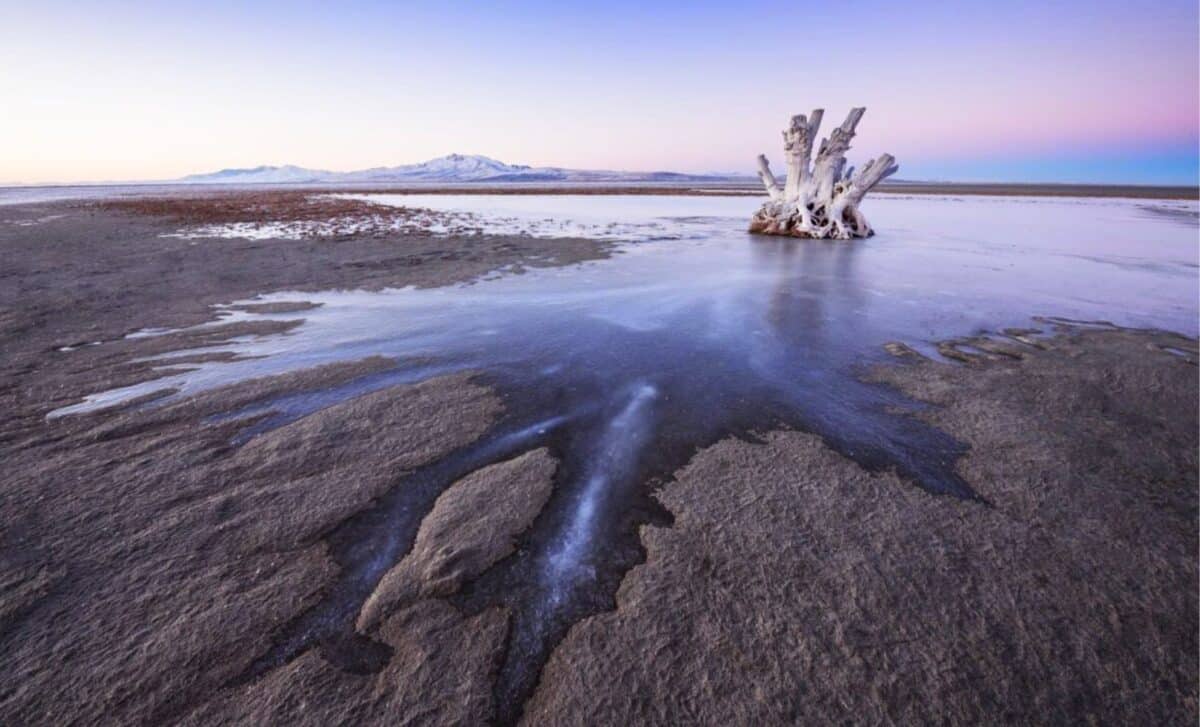
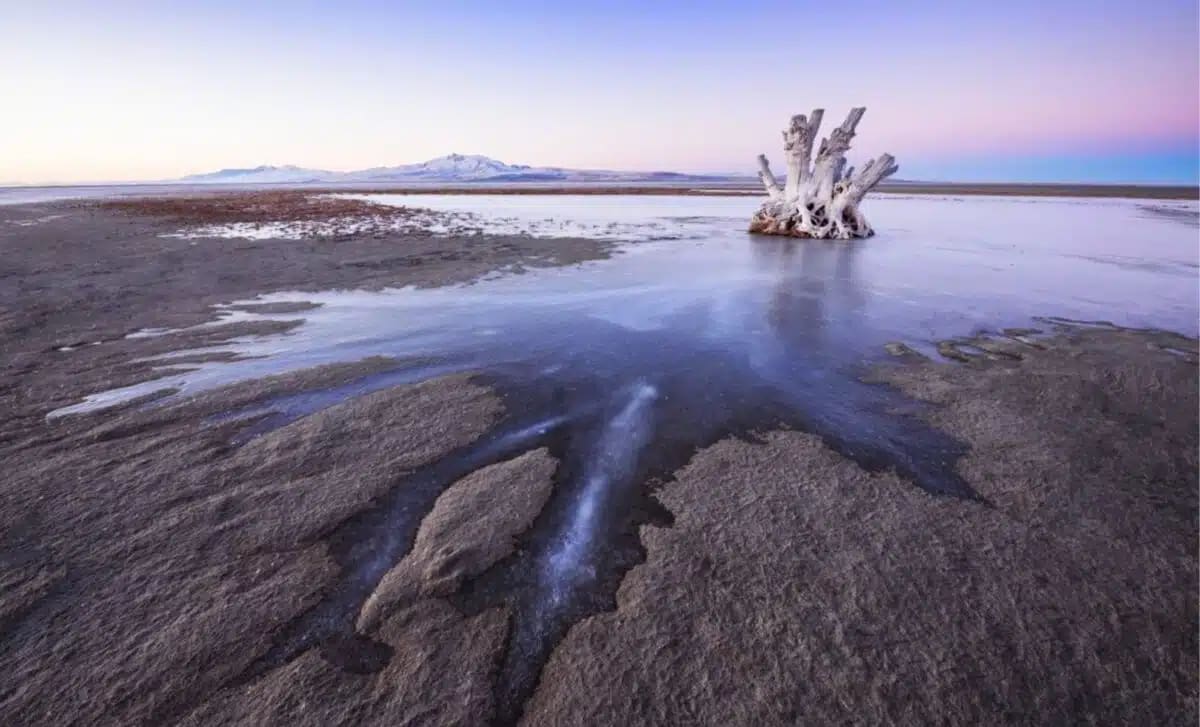
University of Utah researchers discovered microscopic roundworms tucked between grains of mud and salt crystals beneath Great Salt Lake's shimmering surface. For decades, scientists described the Utah lake as home to just two main species: brine shrimp that fill the water in seasonal swarms and brine flies that coat the shoreline in dark mats.
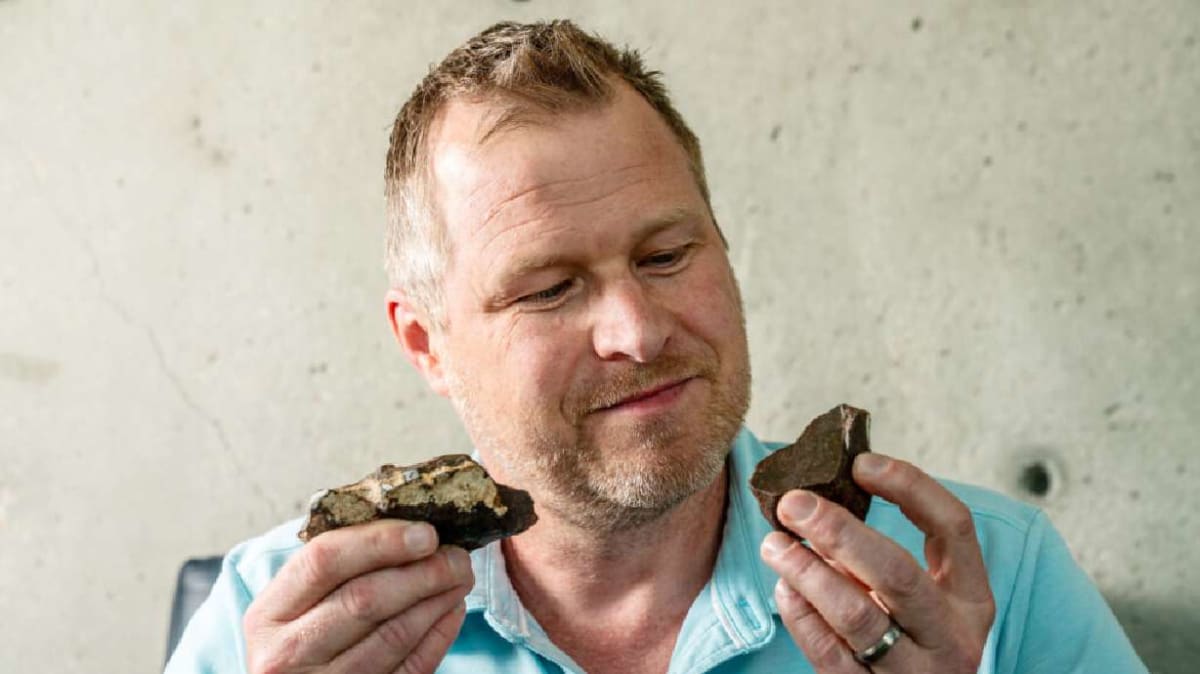
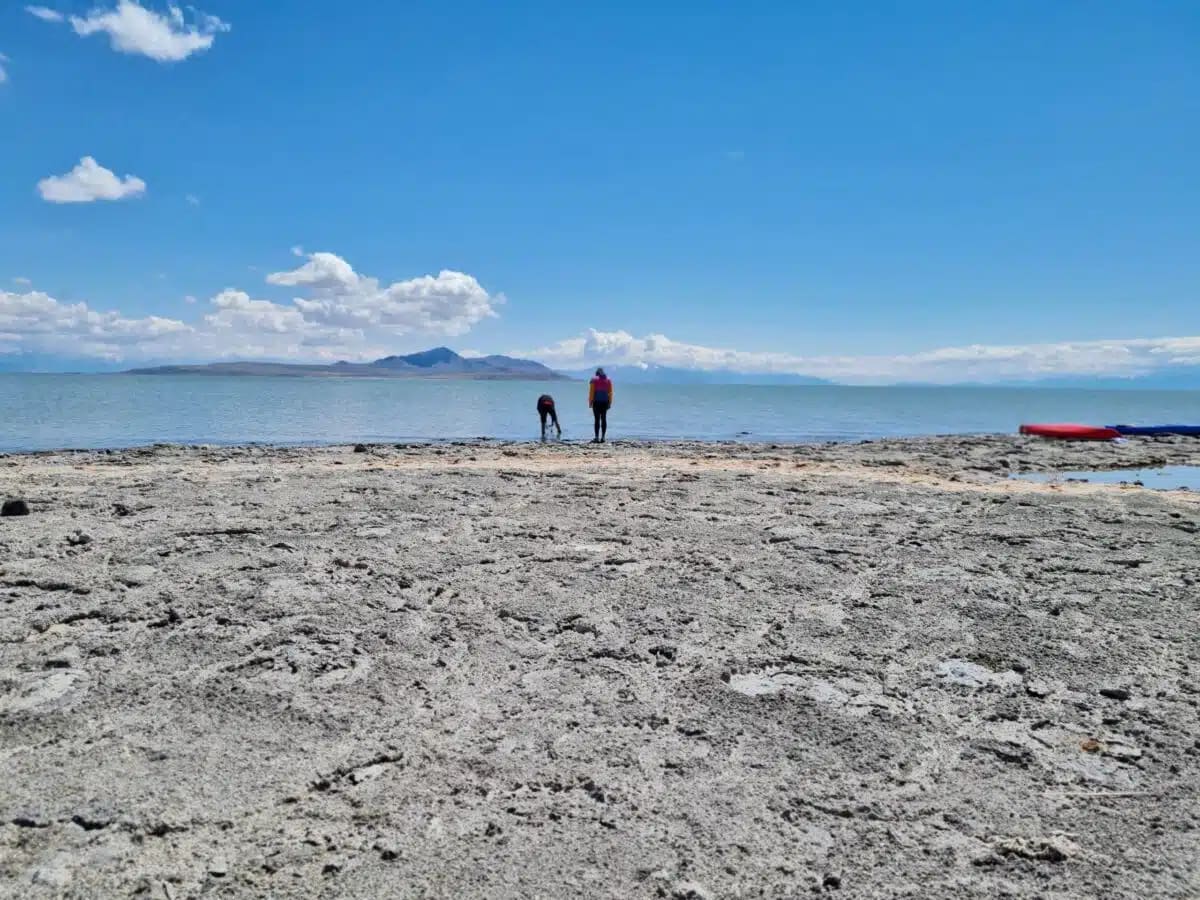
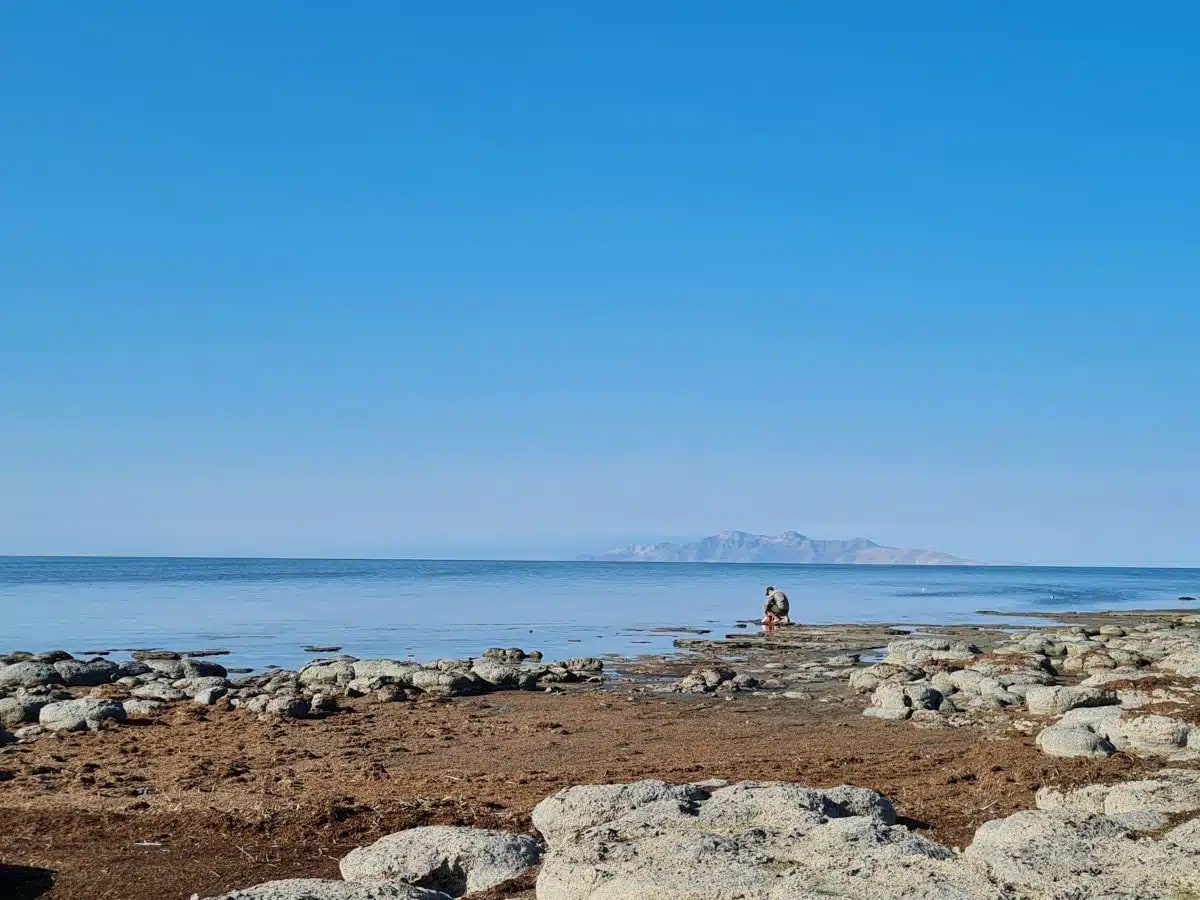
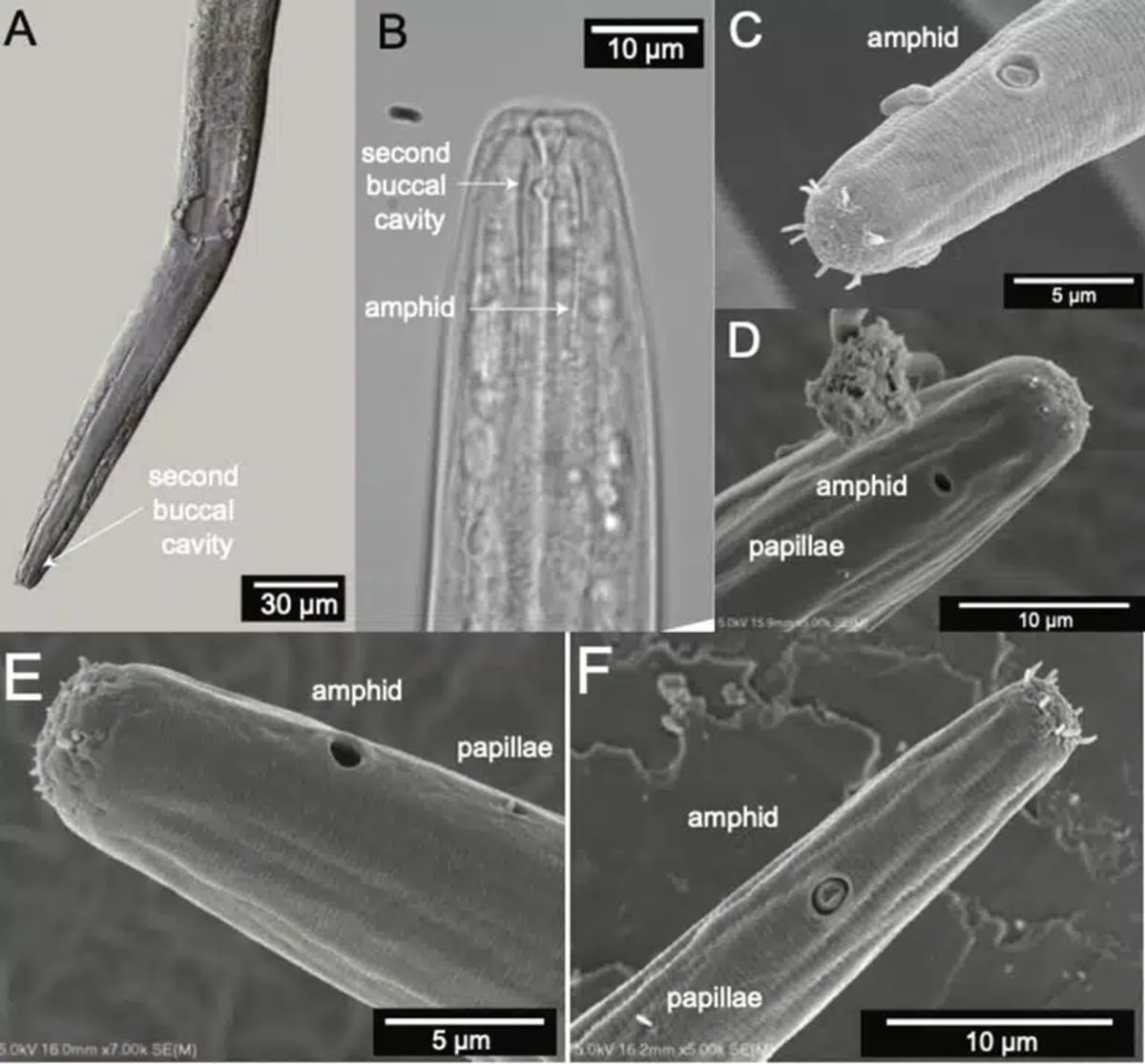
The discovery started when biologist Byron Adams and his team hauled sediment samples back from the lakebed using kayaks and mountain bikes to reach remote sampling sites. Under laboratory microscopes, they spotted slender, threadlike worms barely a fraction of a millimeter long moving through the mud.
Genetic testing confirmed these were nematodes, a group of roundworms found in nearly every ecosystem on Earth from deep oceans to underground caves. But nobody had ever documented them surviving in this hypersaline lake, where salt concentrations run several times higher than seawater.
The worms weren't just rare visitors either. The team found them in notable numbers across several locations, with multiple species adapted to different niches within the sediment. The findings appeared in the Journal of Nematology, officially adding an entirely new animal group to the lake's known inhabitants.
These microscopic survivors make their living by weaving through tiny spaces in the mud, feeding on bacteria, microalgae, and decomposing material that drifts down from above. While invisible to the naked eye, they likely help recycle nutrients and mix sediment layers, supporting the microbial communities that form the base of the lake's food web.
The Ripple Effect
This discovery changes how scientists understand extreme environments everywhere. Microscopic habitats often hide complex communities that go unnoticed even in well-studied places. What looks barren on the surface can harbor layers of life working quietly beneath.
The finding also matters for conservation. Great Salt Lake has shrunk dramatically in recent years due to drought and water diversions, exposing thousands of acres of lakebed. Understanding the full community of organisms that depend on the lake including these newly discovered worms helps scientists grasp what's at stake as the ecosystem faces mounting pressure.
Millions of migratory birds rely on the lake as a crucial feeding stop, gorging on those famous brine shrimp and flies. Now researchers know an entire microscopic world supports that visible abundance, processing nutrients and maintaining the sediment environment where larger organisms thrive.
The team plans further sampling to map exactly where these worms live throughout the lake and how many species call it home. Every sample reveals that even Earth's harshest environments can surprise us with hidden life.
More Images
Based on reporting by Google News - Scientists Discover
This story was written by BrightWire based on verified news reports.
Spread the positivity!
Share this good news with someone who needs it