Utah Students Win $3K for Grid-Saving Energy Solution
College teams from Utah and France just spent 24 hours solving America's energy crisis, and the winning idea could prevent blackouts in your neighborhood. Their solution uses local batteries and flywheels instead of billion-dollar grid overhauls.
Students pulled an all-nighter at the University of Utah in late February, but they weren't cramming for exams. They were racing against the clock to solve one of America's biggest infrastructure challenges: our failing power grid.
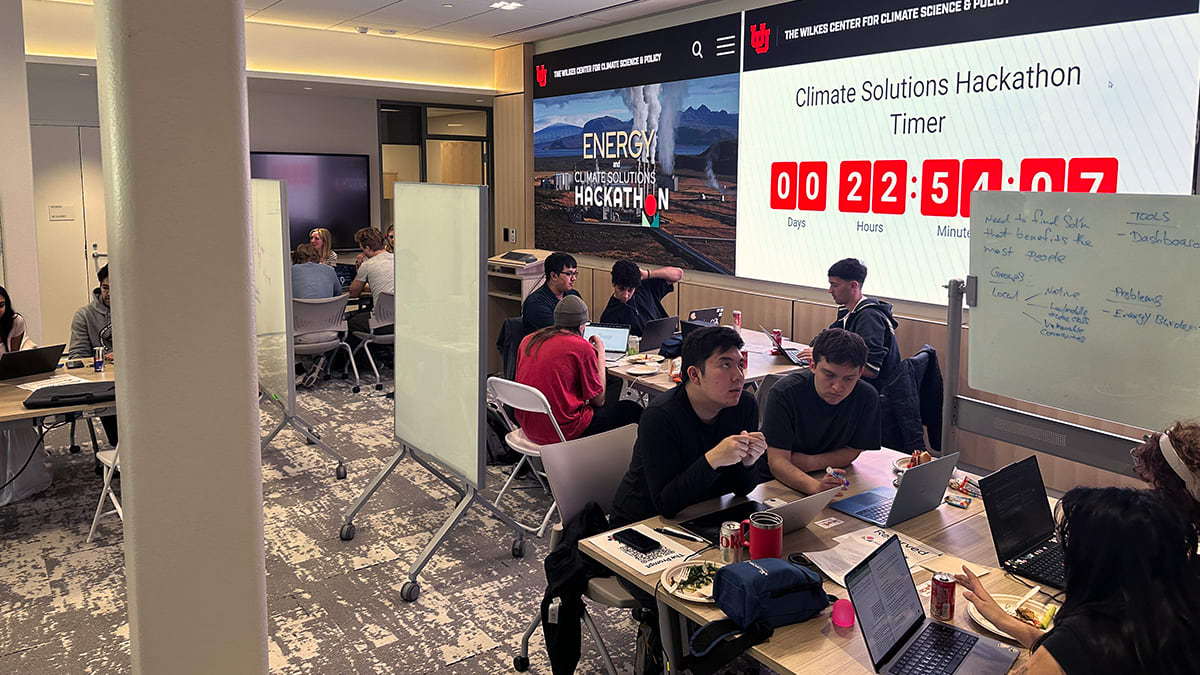
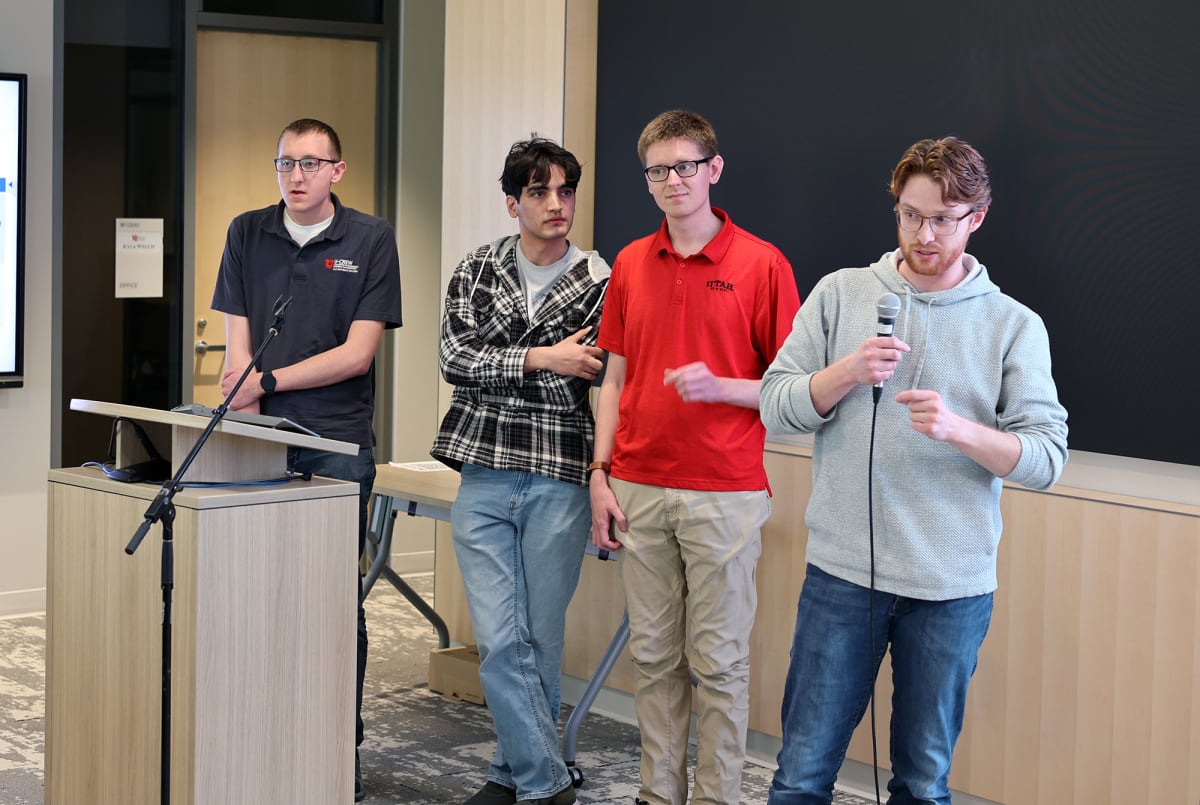
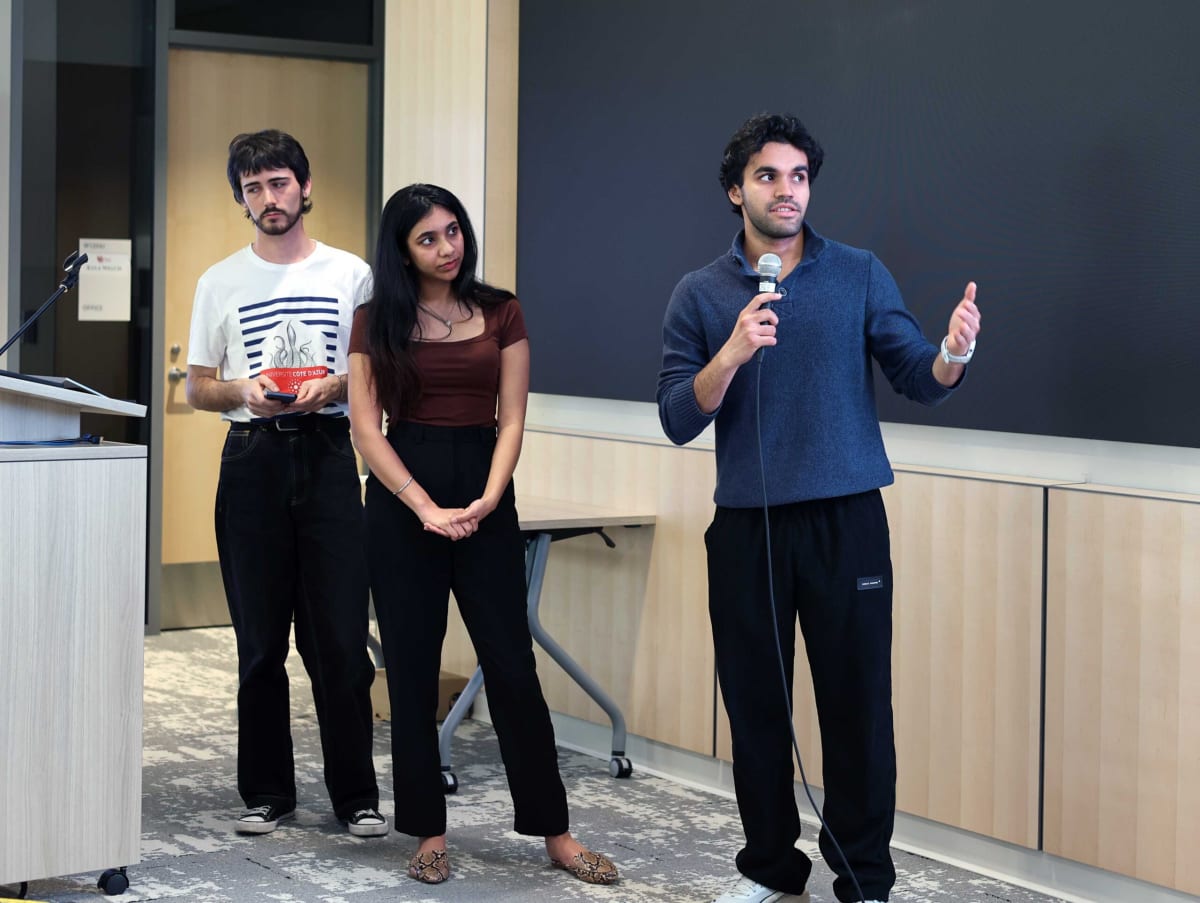
The Wilkes Center for Climate Science and Policy hosted its fourth annual climate solutions hackathon, bringing together 12 teams of students from diverse majors to tackle energy problems. This year's event welcomed nine graduate students and two staff members from Université Côte d'Azur in Nice, France, who traveled thousands of miles to collaborate on solutions.
Teams had just 24 hours to develop complete proposals addressing everything from energy access to the growing power demands of artificial intelligence. They worked through Friday night into Saturday morning in the Wilkes Center's new space, fueled by innovation and probably plenty of coffee.
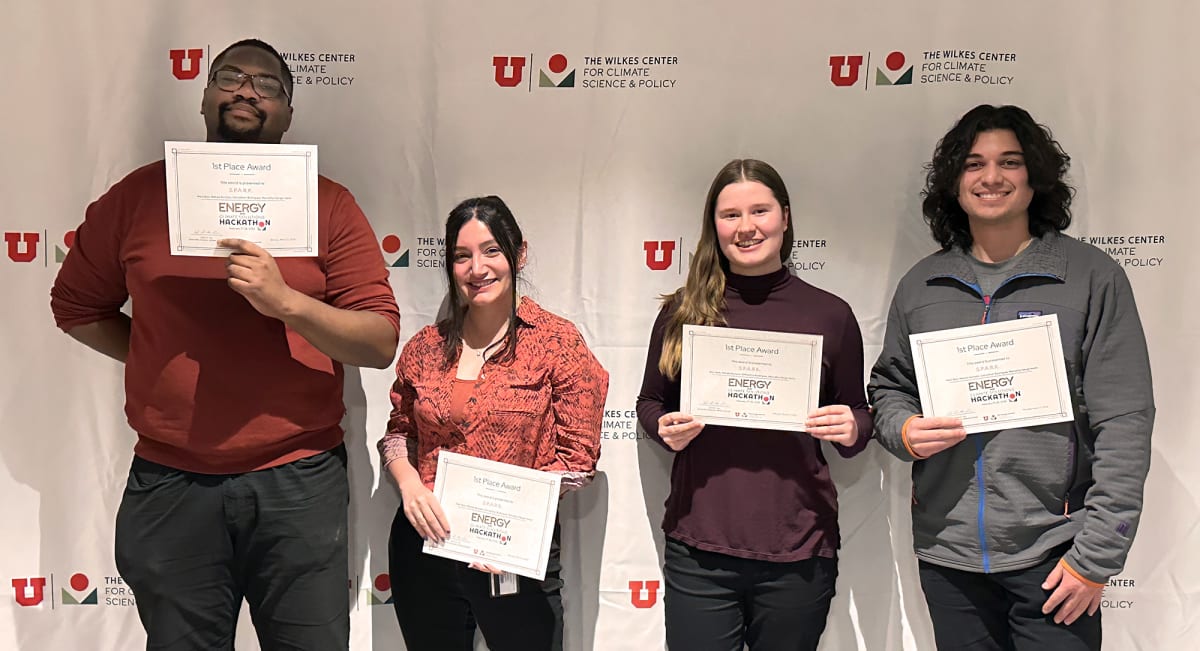
The winning team, S.P.A.R.K., tackled a problem affecting millions of Americans. Our power grid is aging and overstressed, with much of the infrastructure dating back decades and vulnerable to extreme weather that causes costly, dangerous blackouts.
Instead of waiting years for massive upgrades costing billions, S.P.A.R.K. proposed installing neighborhood-level energy systems combining batteries and flywheels. Batteries reduce strain during peak demand while flywheels stabilize the grid instantly when disruptions occur, working together like a one-two punch against outages.
The team of four students, including one from France, designed a mobile app allowing households to track local energy use and work together to reduce peak demand. Participants would earn energy dividends as financial rewards for their efforts.
Their model draws on real success stories like Con Edison's Brooklyn-Queens program, where distributed energy solutions replaced billion-dollar infrastructure projects at far lower cost. By focusing first on vulnerable neighborhoods, S.P.A.R.K. aims to improve reliability while lowering energy bills.
The Ripple Effect
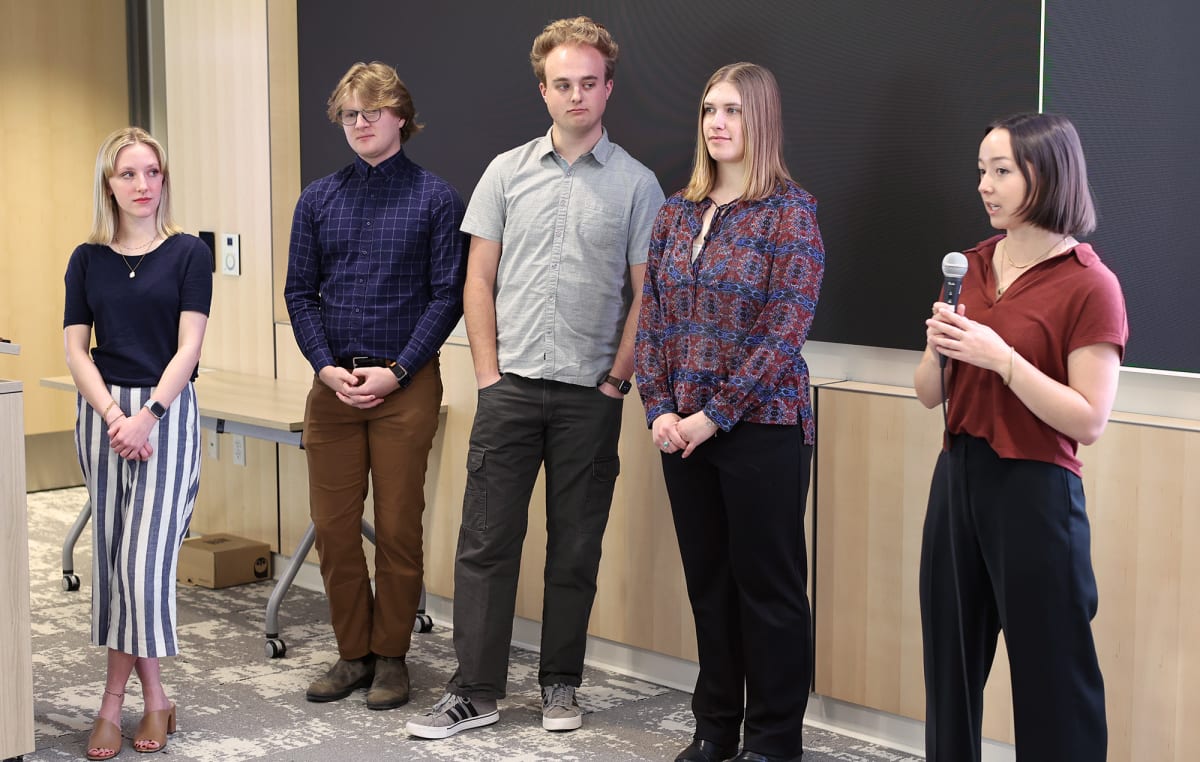
The hackathon sparked more than just one winning idea. Another second-place team called "Slow Your Scroll" proposed an app to reduce wasted data from short-form videos, addressing the hidden climate impact of energy-hungry data centers serving billions of users.
The Wilkes Center isn't just handing out prize money and calling it done. They're exploring partnerships to help all participating teams take their ideas to the next stage of commercialization, potentially turning student solutions into real-world impact.
Local energy professionals attended in person and remotely to mentor teams, sharing expertise that helped transform rough concepts into viable proposals. The audience voted for their favorite presentation while judges evaluated feasibility, innovation, and scalability.
The first-place team won $3,000 or a trip to Université Côte d'Azur, proving that good ideas can open doors far beyond the classroom. When you give passionate students a problem, a deadline, and the right support, they just might solve challenges that have stumped experts for years.
More Images
Based on reporting by Google News - Climate Solution
This story was written by BrightWire based on verified news reports.
Spread the positivity!
Share this good news with someone who needs it