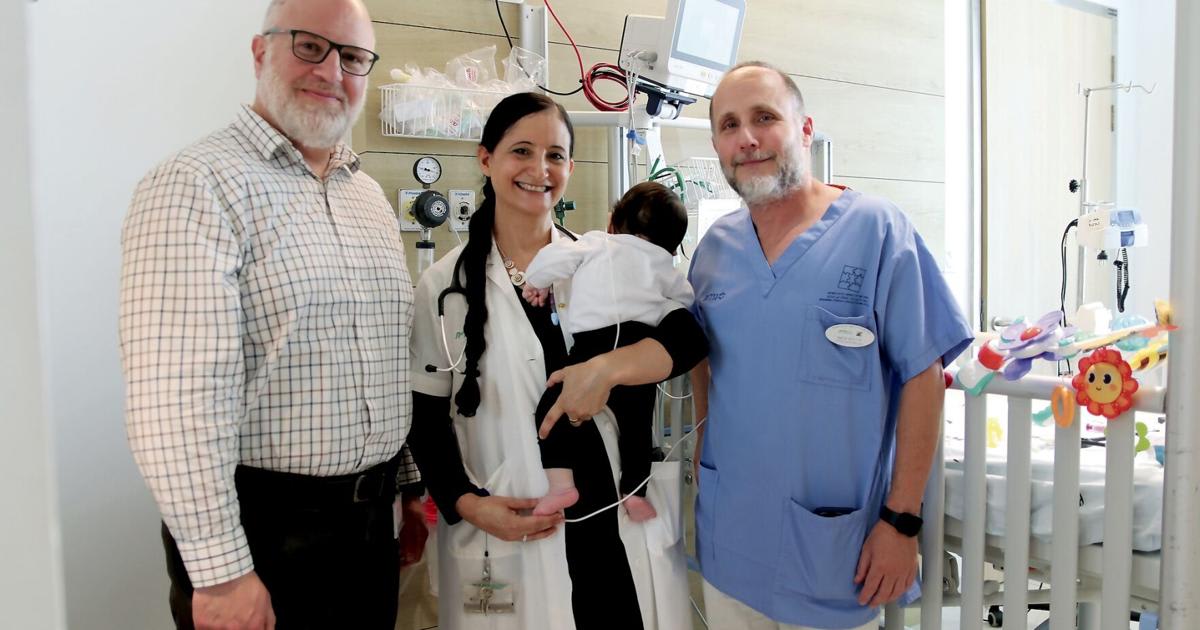
Uterus Transplant Leads to Successful Live Birth
A woman with absolute uterine infertility gave birth after receiving a uterus transplant, opening new doors for thousands who thought parenthood was impossible. This medical breakthrough combines cutting-edge surgery with reproductive technology to restore the gift of pregnancy.
For women born without a uterus or who lost theirs to disease, the dream of carrying a child seemed forever out of reach. Now, a groundbreaking study confirms that uterus transplants can lead to successful live births, transforming what was once impossible into reality.
The procedure involves transplanting a donor uterus into a woman's pelvic cavity through precise surgery. Doctors carefully connect blood vessels to ensure the organ receives proper oxygen and nutrients, then monitor the patient closely to prevent rejection.
After recovery, recipients use in vitro fertilization to achieve pregnancy. The transplanted uterus creates a healthy environment for the embryo to grow, but requires careful hormonal management and constant medical oversight throughout pregnancy.
This isn't a single doctor's triumph. Teams of transplant surgeons, reproductive specialists, immunologists, and maternal care experts work together from surgery through delivery. Their combined expertise makes these complex pregnancies possible.
The study proves that transplanted uteruses can function well enough to support a full pregnancy and healthy delivery. For the medical community, this confirmation means refining patient selection, improving anti-rejection medications, and reducing surgical risks as the procedure becomes more routine.
Women with absolute uterine factor infertility previously had only surrogacy or adoption as paths to parenthood. While both are beautiful options, many longed for the physical experience of pregnancy and childbirth that felt permanently denied to them.
The Ripple Effect
Beyond the medical achievement, this breakthrough restores something deeply personal: the choice to experience pregnancy. For many women, carrying a child connects to identity, family bonds, and life dreams in profound ways.
The technology will continue improving. Minimally invasive surgical techniques, better anti-rejection drugs, and AI-powered patient monitoring promise to make uterus transplants safer and more accessible in coming years.
Researchers emphasize the need for long-term studies tracking mothers' health, organ durability, and children's development. Global collaboration between specialized centers will help establish best practices as this experimental treatment becomes standard care.
This medical first charts a new course in reproductive medicine, offering hope to thousands of women worldwide. What seemed like science fiction just years ago now represents real possibility for families everywhere.
More Images


Based on reporting by Google News - Medical Breakthrough
This story was written by BrightWire based on verified news reports.
Spread the positivity!
Share this good news with someone who needs it