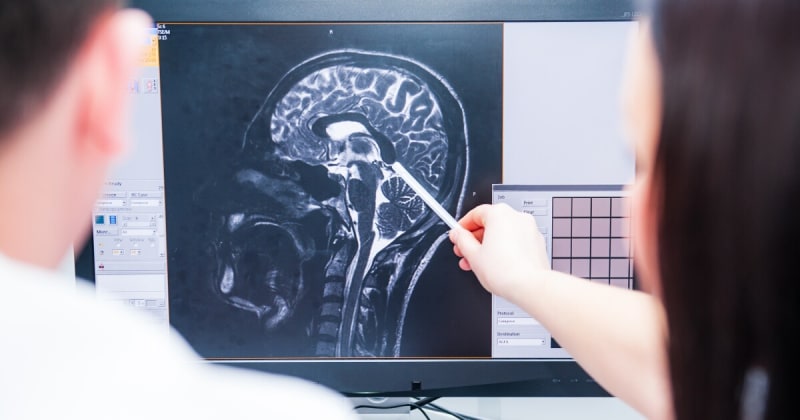
UVA Scientists Discover Promising Way to Protect Brain Health After Head Injuries
University of Virginia researchers have made an exciting breakthrough in understanding how to reduce Alzheimer's risk following head injuries. Their discovery of a potential treatment that could repair the brain's natural drainage system within 24 hours offers new hope for millions at risk of neurological decline.
In a remarkable development that could change lives for millions of Americans, scientists at the University of Virginia have uncovered not just how head injuries may lead to Alzheimer's disease—but more importantly, a promising way to potentially prevent it.
The groundbreaking research centers on the brain's lymphatic drainage system, a crucial network responsible for clearing waste and harmful proteins. Think of it as your brain's natural cleaning crew, working tirelessly to keep things running smoothly. When this system is damaged by even mild head injuries like concussions, proteins associated with Alzheimer's can accumulate more rapidly.
But here's where the news gets truly exciting: the research team, led by Dr. John Lukens, director of UVA's Harrison Family Translational Research Center in Alzheimer's and Neurodegenerative Diseases, successfully repaired this drainage system in laboratory studies—and they did it within just 24 hours of injury.
The innovative approach uses a harmless, emptied virus shell as a delivery vehicle to transport a naturally-occurring repair protein to the brain's protective layers. This protein helps damaged drainage vessels regrow and function properly, preventing the buildup of tau, a toxic protein linked to Alzheimer's disease. "By boosting the brain drainage using this growth factor that kind of fixes the pipes," Lukens explained with refreshing clarity, the treatment "can provide a therapeutic option to eliminate the risk of Alzheimer's and CTE after brain injury."
This discovery builds on another important UVA breakthrough from 2015, when researcher Jonathan Kipnis first identified the direct connection between lymphatic vessels and the brain. That foundational work paved the way for understanding these vessels' vital role in brain health and immune regulation.
The implications are far-reaching and hopeful. Veterans who have experienced blast injuries could particularly benefit, as these injuries often affect the meninges where lymphatic vessels are located. People with high genetic risk for Alzheimer's may also find new hope in this research. The treatment could eventually work alongside existing therapies, including antibody drugs targeting amyloid beta proteins.
While human trials are still years away, the research team is optimistic about expanding the treatment window beyond the initial 24 hours demonstrated in laboratory studies. "Obviously it would be great if we had a larger window," Lukens noted, adding that patients with severe brain injuries requiring hospital care would be ideal candidates for early treatment.
Though the approach is unlikely to reverse Alzheimer's after significant neuron loss has occurred, the potential to prevent or slow disease progression when applied early represents a major step forward. For the more than 6 million Americans currently living with Alzheimer's—a number expected to rise as the population ages—this research offers something invaluable: hope for a future where a simple, timely intervention could protect brain health for decades to come.
The work continues, driven by dedicated scientists committed to turning today's discoveries into tomorrow's treatments that could transform countless lives.
More Images



Based on reporting by Google News - Researchers Find
This story was written by BrightWire based on verified news reports.
Spread the positivity! 🌟
Share this good news with someone who needs it
More Good News
 🧘 Health & Wellness
UVA Scientists Discover Promising Way to Prevent Alzheimer's After Head Injuries
 🧘 Health & Wellness
Breakthrough GLP-1 Study Shows 27% of Global Adults Could Transform Their Health
 🧘 Health & Wellness
Brazilian Scientists Crack Code on Pig-to-Human Kidney Transplants
Joke of the Day
Why did the calendar go on vacation?
Explore Categories
Quote of the Day
"A friend is someone who knows all about you and still loves you."
— Elbert Hubbard