UVA Study IDs Forgotten Mines Poisoning Virginia Lake
A University of Virginia study discovered that abandoned mines, not just farms, are releasing toxic metals into Lake Anna. The research opens the door for new cleanup strategies that could restore water quality across the watershed.
Good news for Lake Anna: scientists finally know where the pollution is really coming from, and that means they can start fixing it.
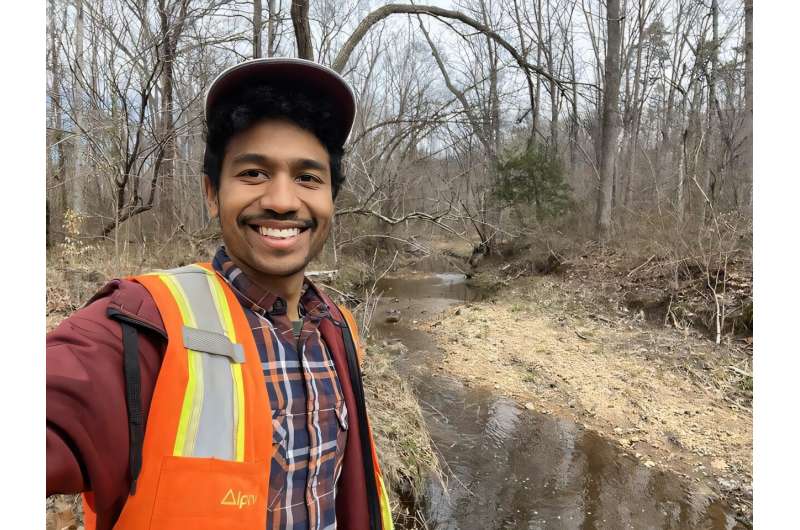
A University of Virginia team led by environmental scientist Justin Richardson discovered that forgotten mines scattered around Virginia's Lake Anna are leaking dangerous metals like arsenic, lead, and copper into the water. For years, people assumed farms were the main problem driving toxic algae blooms, but this peer-reviewed study shows the real story is more complicated.
The researchers tested water, soil, and sediment across nine areas around the lake. They found that phosphorus pollution, which feeds harmful algae, comes from residential neighborhoods as well as agricultural land. But the bigger surprise was what they discovered near old mining sites.
Around Contrary Creek, where exposed mine waste still sits abandoned, toxic metal levels were significantly elevated. These forgotten sites have been quietly poisoning local streams for decades, and nobody was paying attention until now.
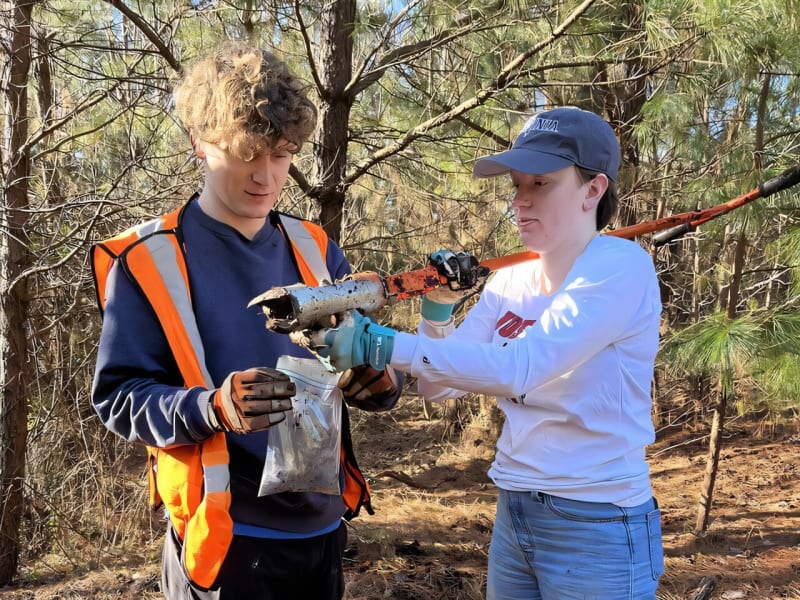
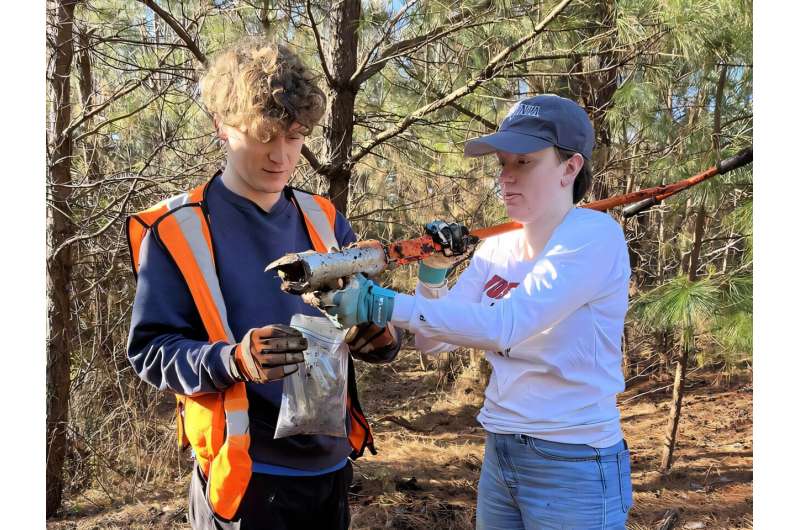
Two undergraduates, Sophia Schroeder and Robert Kohlhaas, helped collect and analyze the data that cracked the case. Their work in the field gathering samples proved essential to understanding how pollution moves through the watershed.
The study also revealed that Lake Anna acts like a trap, holding onto most of the phosphorus and toxic elements that flow into it. The lake releases these pollutants gradually into the North Anna River downstream, spreading the problem beyond its shores.
The Bright Side
Here's why this matters: you can't fix a problem until you understand it. For years, cleanup efforts focused almost exclusively on farm runoff, but those strategies weren't addressing the full picture. Now that scientists have identified abandoned mines as major contributors, officials can target remediation efforts where they'll actually make a difference.
The research team is already exploring biochar-lime treatments that could neutralize mine waste and prevent metals from leaching into streams. These solutions exist and work, they just need to be deployed at the right locations.
Better yet, this isn't just about one lake in Virginia. Thousands of abandoned mines across America continue contaminating waterways because nobody's monitoring them. This study provides a blueprint for identifying hidden pollution sources in other watersheds, potentially protecting drinking water and ecosystems across the country.
Richardson emphasized that addressing Lake Anna's water quality will require broader strategies that tackle residential runoff and mine remediation together. The path forward is clearer now than it's ever been.
More Images
Based on reporting by Phys.org
This story was written by BrightWire based on verified news reports.
Spread the positivity!
Share this good news with someone who needs it