Uzbekistan Invests $16B to Transform Healthcare for 37M
Uzbekistan is revolutionizing healthcare with a $16 billion investment that's bringing digital medical records, advanced pediatric surgery, and thousands of new clinics to its 37 million citizens. Families no longer need to travel abroad for complex treatments, and care that once took 30 minutes now takes just 17.
Uzbekistan is proving that massive healthcare transformation is possible in just a few years. The Central Asian nation invested $16.3 billion between 2021 and 2025 to rebuild its medical system from the ground up, and the results are already changing millions of lives.
The centerpiece is DMED, a nationwide digital health system that now holds medical records for all 37 million citizens. Every person has a single electronic medical card that works at any hospital or clinic across the country.
The difference is dramatic. In Tashkent's Yunusobod district, lab procedures that took eight minutes now take four, and doctor consultations dropped from 30 minutes to 17 minutes because physicians spend less time on paperwork and more time with patients.
The country's new National Children's Medical Center represents what's possible when investment meets determination. Built in just three years with South Korean support, the facility now performs liver transplants and bone marrow procedures that previously required expensive trips abroad.
"Families no longer need to travel abroad, paying tens of thousands of dollars," said Baxtiyorjon Umarov, the center's director. The hospital became the first public facility in Uzbekistan to earn international accreditation, meeting the global gold standard for healthcare quality.
Private healthcare is booming too. The number of private clinics tripled from 3,500 in 2017 to over 9,000 by 2025, now providing a third of all healthcare services.
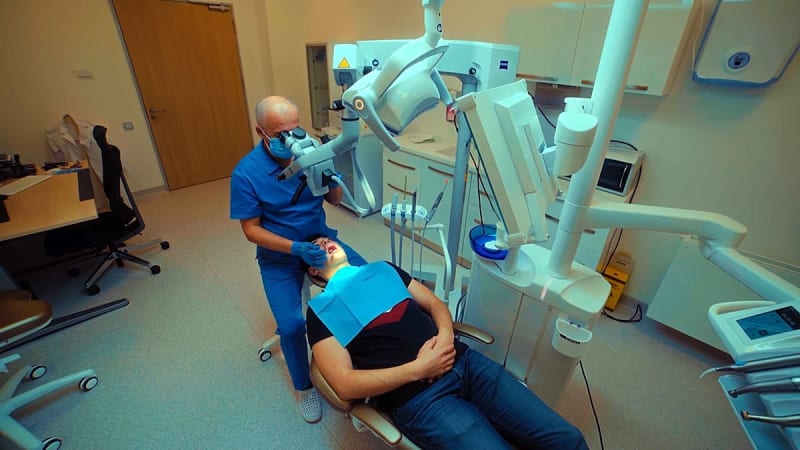
M-Clinic in Tashkent offers over 1,000 medical services across 20 specialties, with an on-site hotel for patients traveling from rural areas. Luis Goitia, a patient from Venezuela, shared his relief after 30 years of living with varicose veins he couldn't get treated abroad.
The country is also modernizing medical education. Tashkent State Medical University now trains over 30,000 students using advanced simulation centers where they practice emergency procedures on realistic mannequins before treating real patients.
Deputy Minister of Health Olim Omonov announced plans to launch ten AI-based healthcare projects in 2026 and train 200,000 specialists to use the digital systems effectively. International investors are taking notice, with a $4.65 billion Tashkent Smart Medical City project now in development.
The Ripple Effect: Uzbekistan's healthcare revolution is creating momentum far beyond its borders. The success is attracting major partnerships, including collaboration with Cleveland Clinic, and positioning the country as an emerging medical hub for Central Asia. Other developing nations are watching closely as Uzbekistan proves that with focused investment and digital innovation, transforming healthcare access for tens of millions of people isn't just possible but achievable in under five years.
The model developed at the National Children's Medical Center is already being replicated in the Karakalpakstan region, extending world-class pediatric care to underserved areas.
More Images



Based on reporting by Euronews
This story was written by BrightWire based on verified news reports.
Spread the positivity!
Share this good news with someone who needs it