Uzbekistan Museums Preserve 20,000 Silk Road Treasures
Museums across Uzbekistan are drawing global visitors with rare Silk Road artifacts, early photography collections, and interactive exhibits that bring centuries of cultural exchange to life. From ancient wall paintings in Samarkand to pioneering art preservation in Nukus, these institutions are making history accessible to new generations.
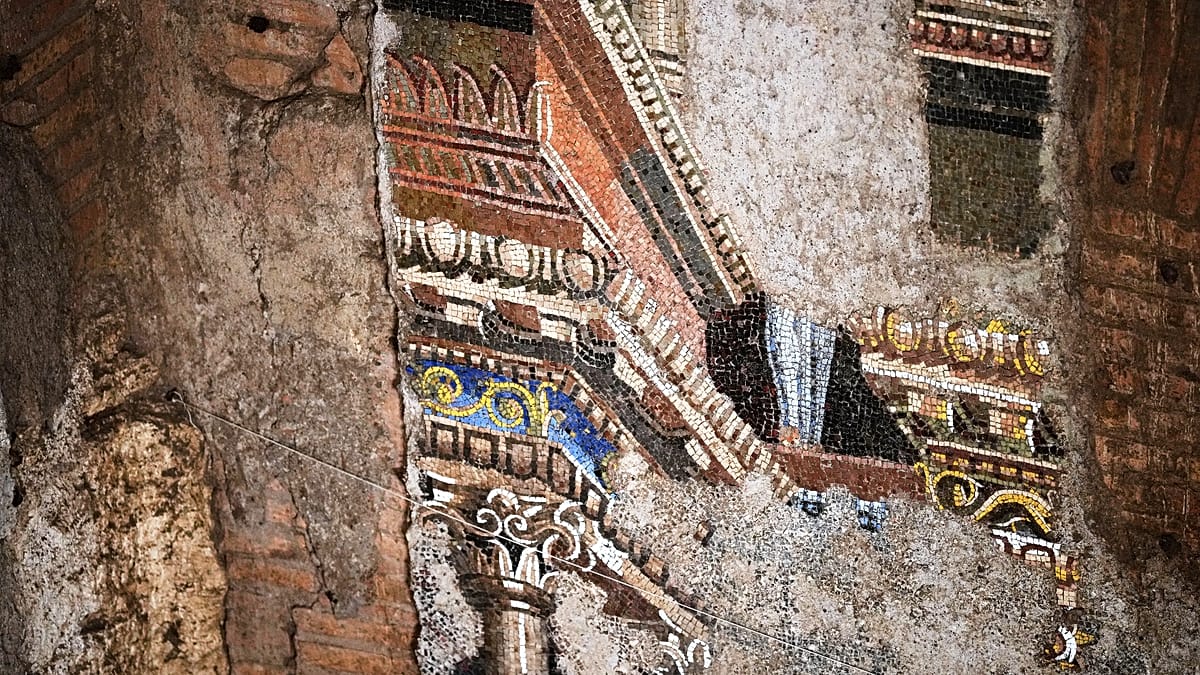
When Benny Chang stepped into the Afrosiab Museum in Samarkand, he found himself standing exactly where history happened. The museum sits on the site of the city's earliest settlement, home to 20,000 artifacts including seventh-century wall paintings that once decorated Silk Road palaces.
"I will definitely come back here," Chang said after his visit. "This is definitely one of the places to visit."
His experience reflects a growing interest in Uzbekistan's museums, which preserve stories from one of the world's most important cultural crossroads. For centuries, civilizations met and mixed along the Silk Road, and today's museums guard the objects, art, and memories they left behind.
In Khiva, the Nurullaboy Palace tells a story of transition. Built in the early twentieth century, it blends traditional Central Asian design with European details, reflecting a moment when two worlds met. The palace now displays the work of Khudaibergen Devanov, Central Asia's first photographer, whose images captured daily life during times of dramatic change.
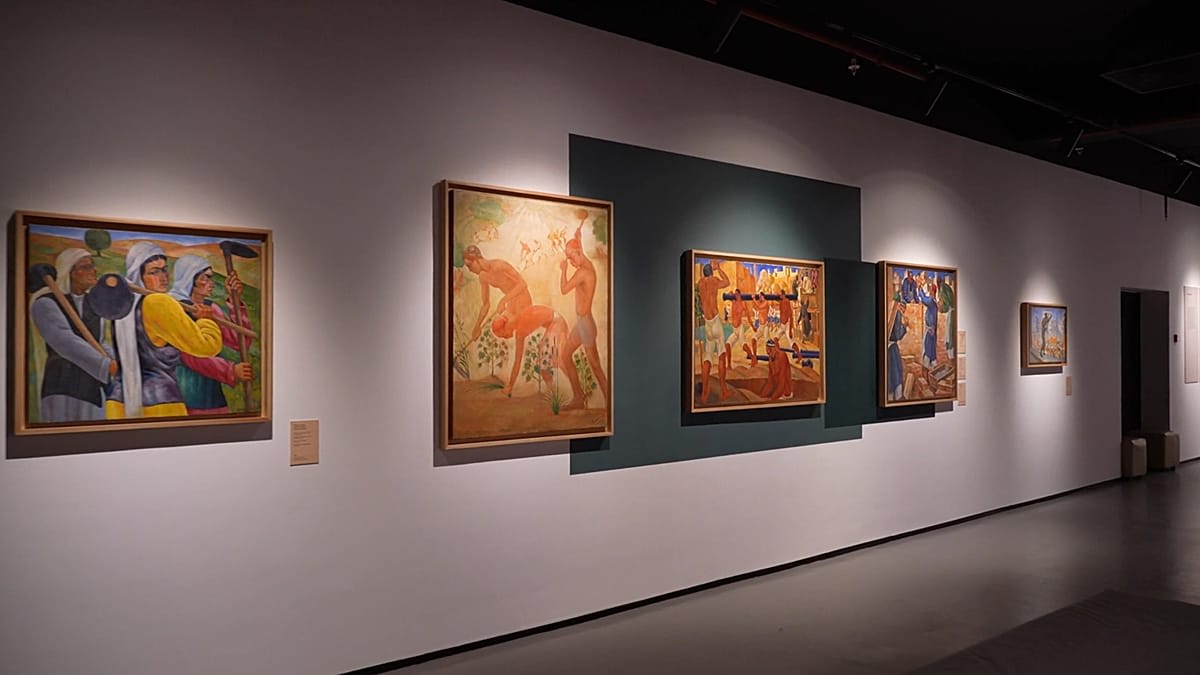
Further west in Nukus, the State Museum of Arts holds one of Central Asia's most significant collections. Founded in 1966 by artist Igor Savitsky, the museum houses over 100,000 works that might have disappeared without his efforts. Savitsky spent his life rescuing paintings, applied arts, and archaeological pieces at risk of being lost.
The collection attracts both local and international visitors who come to see not just paintings, but traditional crafts and archaeological objects that reveal how creative expression evolved across generations.
The Ripple Effect
These museums do more than preserve the past. They're making history accessible through new technologies that help international visitors connect with ancient stories.
At the Afrosiab Museum, digital displays and audio guides now explain the context behind seventh and eighth-century murals. Tour guide Samariddin Mustafakulov notes that visitors are especially drawn to wall paintings showing the cultural, political, and artistic life of Samarkand's Silk Road era.
In Tashkent, the Polytechnic Museum takes a different approach. Opened in 2015, it traces Uzbekistan's technological progress from early automotive engineering to modern manufacturing. Interactive zones let children and adults engage directly with scientific principles.
"Our museum helps visitors understand how engineering and physics are part of daily life," explains guide Azamat Sarkulov.
Together, these institutions are creating bridges between centuries of history and today's curious visitors, ensuring that the stories of the Silk Road continue inspiring people from around the world.
More Images
Based on reporting by Euronews
This story was written by BrightWire based on verified news reports.
Spread the positivity!
Share this good news with someone who needs it