Uzbekistan's Nowruz Festival Unites Thousands in Spring
Across Uzbekistan, the ancient Nowruz festival is bringing entire communities together through shared meals, traditional games, and joyful celebrations that mark spring's arrival. From horseback competitions in the south to street festivals in the capital, this cultural tradition is creating moments of connection that cross generations and backgrounds.
When spring arrives in Uzbekistan, something magical happens: entire cities pause to celebrate together, share meals with strangers, and welcome the new season as one community.
Nowruz, a centuries-old festival marking spring's arrival, transforms the country each year into a nationwide celebration of renewal. From small southern villages to the bustling capital of Tashkent, the holiday brings people together through food, music, and traditions that have survived for generations.
In Surkhandarya, the southernmost region where spring blooms earliest, celebrations kick off outdoors under the warm sun. Giant cauldrons bubble over open fires as locals prepare pilaf for anyone who passes by, turning cooking into a communal event where strangers become guests.
"We organized a pilaf festival to show Uzbek traditions," says Mirkhamid Mirpolatov, who helped coordinate eight massive cauldrons serving different varieties. "Today, everyone is welcome to share a meal."
The region also comes alive with kupkari, a traditional horseback game where dozens of riders compete in tests of strength and skill. After months of preparation, horses and riders return to the fields for competitions that draw huge crowds and offer prizes ranging from livestock to cash.
Further east in Andijan, the festival grows even larger. Thousands gather in open celebration grounds filled with music, performances, and long tables covered in traditional spring dishes featuring fresh greens that symbolize renewal.
"People from all over the region have come together," says Shukhrat Abdurakhmanov, the region's governor. "You can see traditional dishes, songs, and national games creating a festive atmosphere."
What makes the celebration especially meaningful is how it embraces the region's diversity. Different cultural communities bring their own traditions, creating a rich tapestry of shared experiences.
"Uzbekistan is our common home," says Arseniy Sarkisov, who leads the Armenian National Cultural Centre in Andijan. "We share our culture, our traditions, our music and food with everyone."
The Ripple Effect
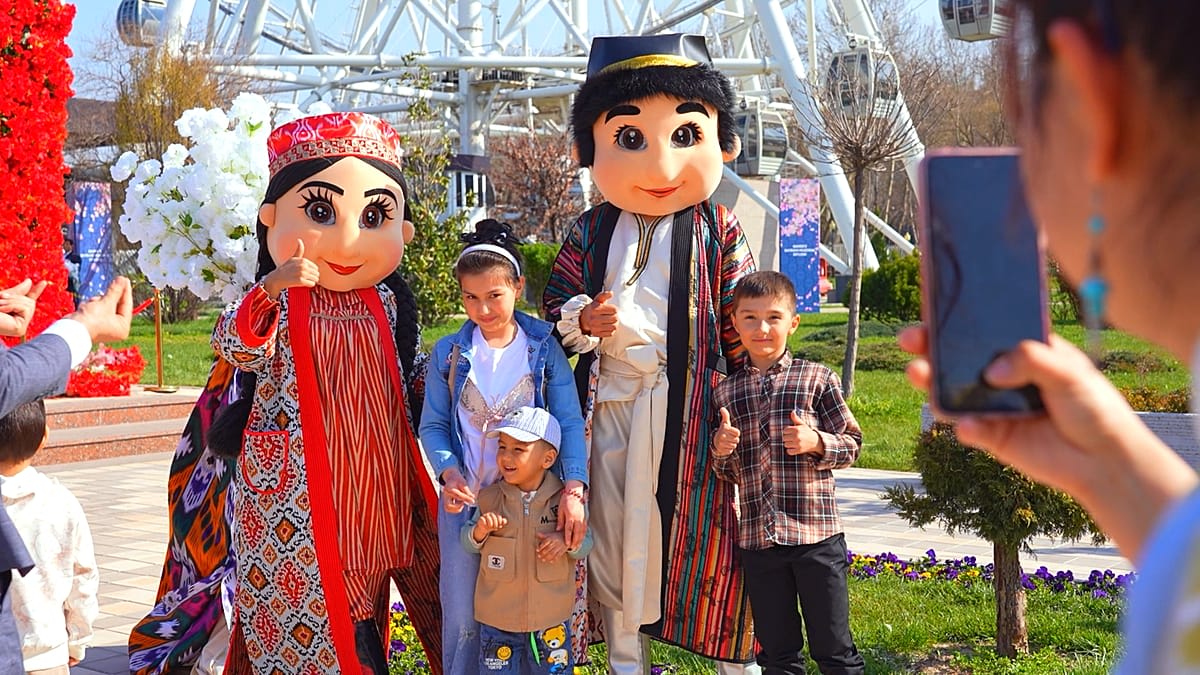
The festival's impact extends far beyond a single day of celebration. In Tashkent, the capital, parks and public spaces fill with families, tourists, and young people discovering their heritage through hands-on experiences.
Visitors from Finland found themselves drawn into the warmth. "There's music, people smiling, and a very welcoming feeling," says Emil Jäntti, clearly moved by the atmosphere.
Local teacher Nabiba Matkarimova traveled from Khorezm specifically for the celebration. "We met foreign visitors, danced together, and I could see how much they enjoyed our traditions," she says. "This holiday brings kindness, respect and understanding between people."
At the heart of every celebration is sumalak, a traditional wheat dish cooked slowly over 12 to 24 hours. For many, the patience required to make it mirrors the patience needed to build community and the quiet promise that spring always returns.
More Images
Based on reporting by Euronews
This story was written by BrightWire based on verified news reports.
Spread the positivity!
Share this good news with someone who needs it