VA Launches MDMA Therapy Trial for 80 Veterans with PTSD
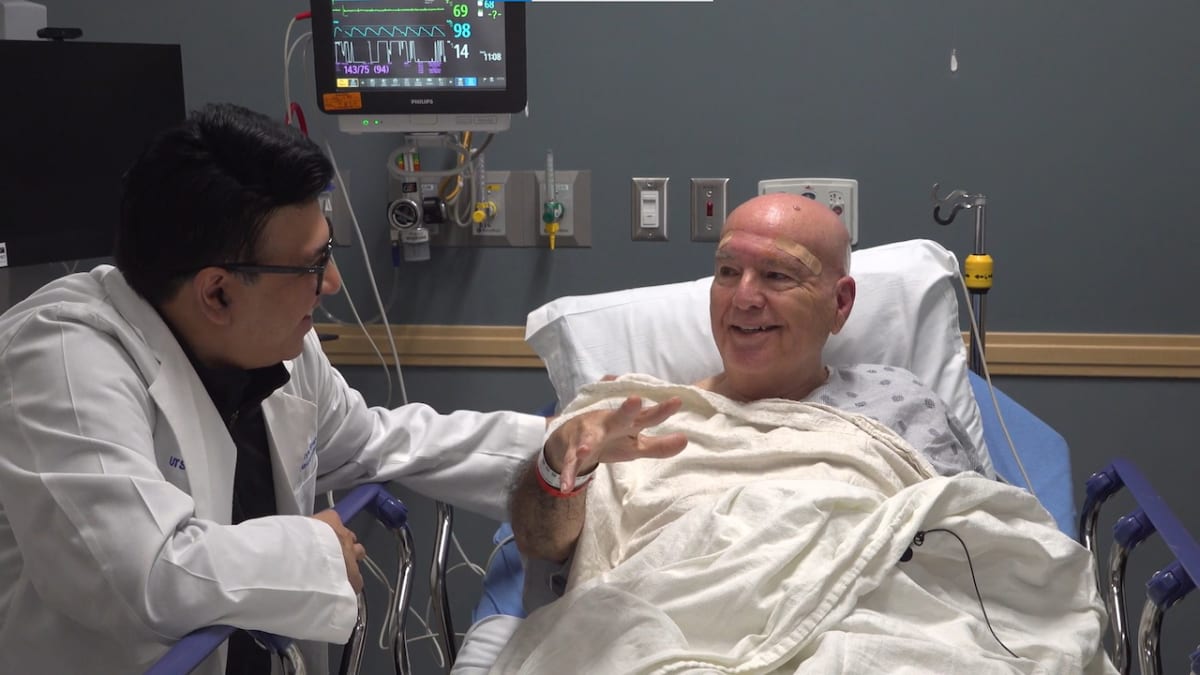
The Department of Veterans Affairs is testing MDMA-assisted therapy to treat veterans struggling with both PTSD and alcohol addiction, marking a new chapter in mental health care. This trial joins 19 other VA studies exploring how psychedelic treatments could help those traditional methods haven't reached.
Eighty veterans with PTSD and alcohol use disorder will soon have access to a treatment that could transform how we approach mental health care.
The Department of Veterans Affairs just launched a clinical trial in Rhode Island and Connecticut testing MDMA-assisted therapy for veterans facing two battles at once: post-traumatic stress and alcohol addiction. This marks the VA's 20th active trial exploring psychedelic treatments, backed by $23 million in external funding.
The timing couldn't be more significant. Just last month, President Trump signed an executive order to accelerate psychedelic treatments for serious mental health conditions that disproportionately affect veterans.
What makes this trial especially promising is its focus on treating PTSD and alcohol use together. Sherry Rais, CEO of Enthea, a health insurance administrator covering psychedelic therapies, points out these conditions are deeply connected in veteran populations but have always been treated separately.
The science backs up the hope. A 2023 study in Nature Medicine found MDMA-assisted therapy reduced symptoms and functional impairment in people with moderate to severe PTSD. University of California, Berkeley researchers discovered the treatment could generate $5.6 billion in societal savings when combined with therapy.
The Bright Side
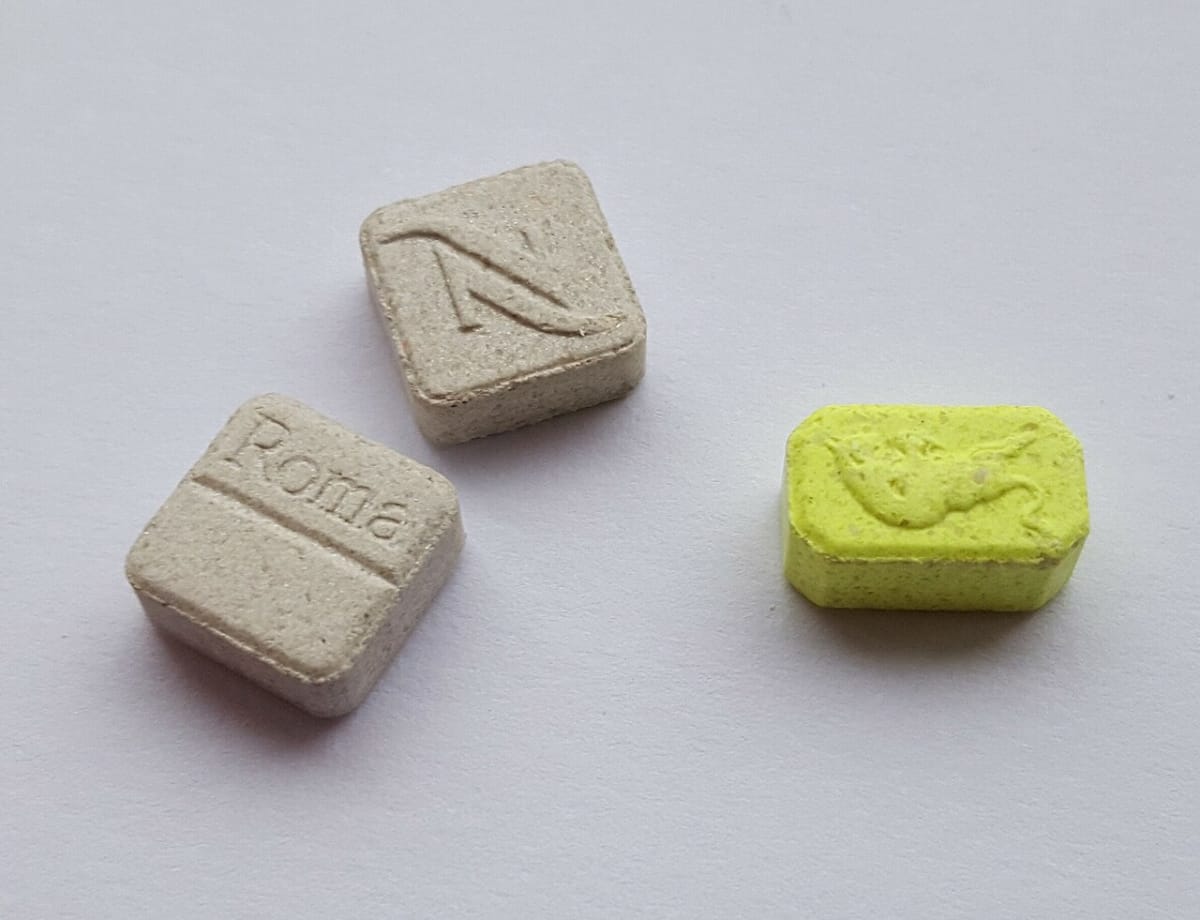
MDMA therapy costs between $10,000 and $12,000 per patient right now, but approval could change everything. Insurance providers are already preparing coverage models similar to those used for other innovative treatments like Spravato.
The road to full FDA approval has hit bumps before. MDMA received breakthrough designation for PTSD treatment in 2017, but concerns about trial design delayed final approval in 2024. The FDA requested additional Phase 3 studies, which are still in development.
Still, momentum is building. The current system has left too many people behind, especially those with PTSD and addiction. This trial represents a turning point in how we think about treating conditions that have resisted traditional approaches.
Rais emphasizes that approval must include the therapy component, not just the medication. The preparation, support during treatment, and follow-up care are what make the difference between good outcomes and great ones.
Veterans who have exhausted other options now have a reason to feel hopeful about a treatment designed specifically for their interconnected struggles.
More Images

Based on reporting by Google: new treatment approved
This story was written by BrightWire based on verified news reports.
Spread the positivity!
Share this good news with someone who needs it