Vancouver Turns Construction Plastic Into Building Material
A Vancouver pilot program is rescuing plastic waste from construction sites and turning it into components that reduce concrete use by 30 percent. Eight building projects are proving that construction waste can become a resource instead of filling landfills.
Before a building ever opens its doors, construction sites generate mountains of plastic waste from protective films and packaging that typically heads straight to landfills. Now a Vancouver program is proving that trash can become treasure.
Light House's Construction Plastics Initiative partnered with eight Metro Vancouver construction projects in 2024 to capture and repurpose plastic waste generated on site. The pilot addresses a massive blind spot in waste reduction: while most efforts focus on consumer packaging, construction activities produce far larger volumes of plastic that rarely get recycled.
The initiative just completed its first major milestone. Plastics collected from participating construction sites were processed into recycled pellets and manufactured into InfinaNet, an innovative building system that helps reduce concrete use in multi-unit residential buildings.
InfinaNet uses a lattice of ellipsoid voids to remove non-structural concrete from floor slabs and walls. Buildings maintain their strength while using up to 30 percent less concrete, which lowers both carbon emissions and construction costs.
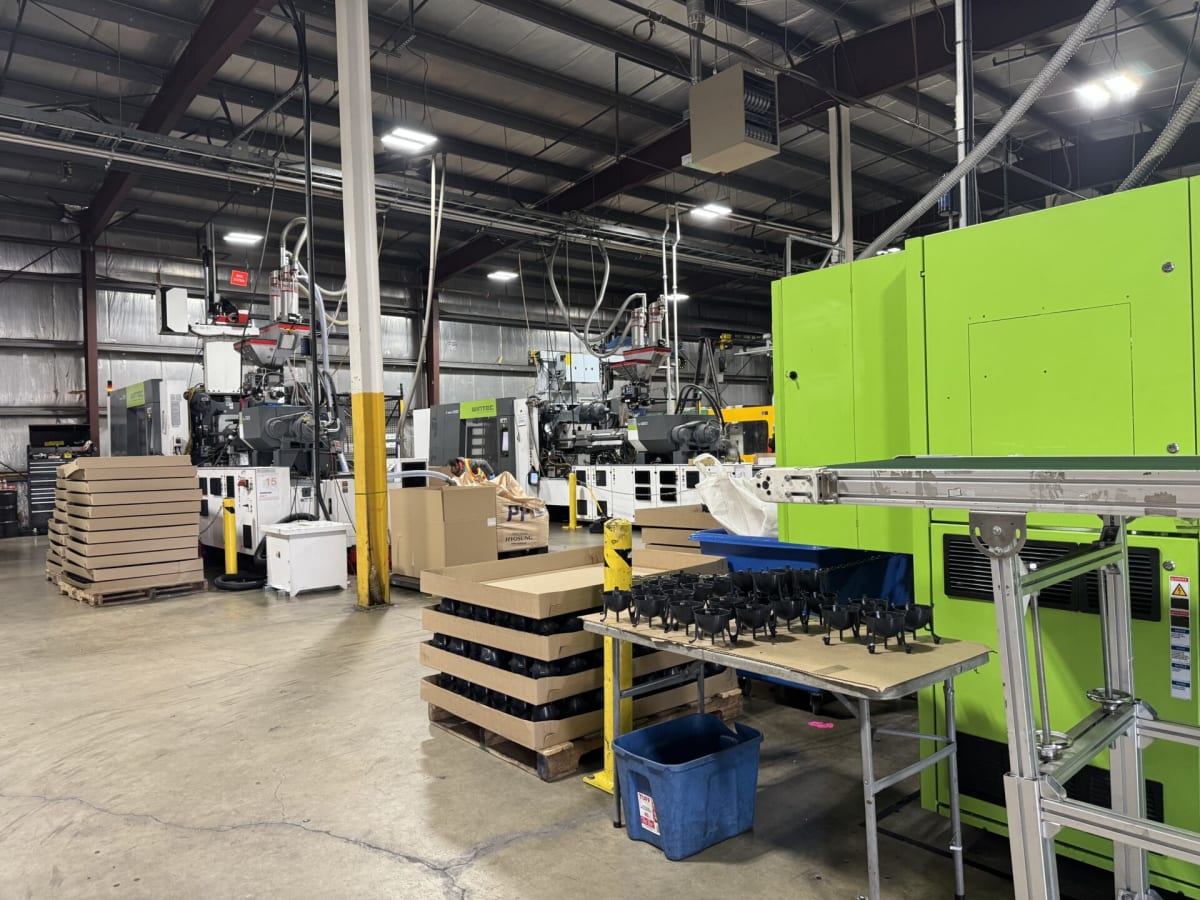
The process works like this: plastics arriving at participating construction sites are kept separate from other materials and collected before reaching landfills. They're transported to a processing facility where they're weighed, sorted, and recycled into reusable pellets. Delta-based manufacturer Plascon Plastics then transforms these pellets into components for building systems like InfinaNet.
The stakes are significant. Canada loses an estimated $8 billion annually in economic value from wasted plastics, a figure projected to exceed $11 billion by 2030 without better recovery systems.
The Ripple Effect
This Vancouver pilot demonstrates how one solution can address multiple environmental challenges simultaneously. By rescuing construction plastics from landfills and incorporating them into systems that reduce concrete use, the initiative tackles both plastic waste and carbon emissions from building materials.
The federal government invested over $1 million through PacifiCan to accelerate green building companies in British Columbia. The Construction Plastics Initiative also receives funding from Environment and Climate Change Canada and the CleanBC Plastics Action Fund.
Gil Yaron, Managing Director of Circular Innovation at Light House, says the production run shows circular construction in action. With the right systems in place, materials previously treated as waste become valuable resources.
The success of these eight pilot projects could transform how the construction industry handles plastic waste across North America, turning building sites from major waste generators into recycling hubs that fuel innovation.
More Images
Based on reporting by Google News - Plastic Reduction
This story was written by BrightWire based on verified news reports.
Spread the positivity!
Share this good news with someone who needs it