Vatican Approves Animal Organ Transplants for Catholics
The Catholic Church just gave the green light for Catholics to receive animal organ transplants, potentially opening the door for millions facing organ shortages. New Vatican guidelines say xenotransplantation aligns with Catholic values when done ethically.
For the 100,000 people worldwide waiting for life-saving organ transplants, the Vatican just removed a potential barrier to hope.
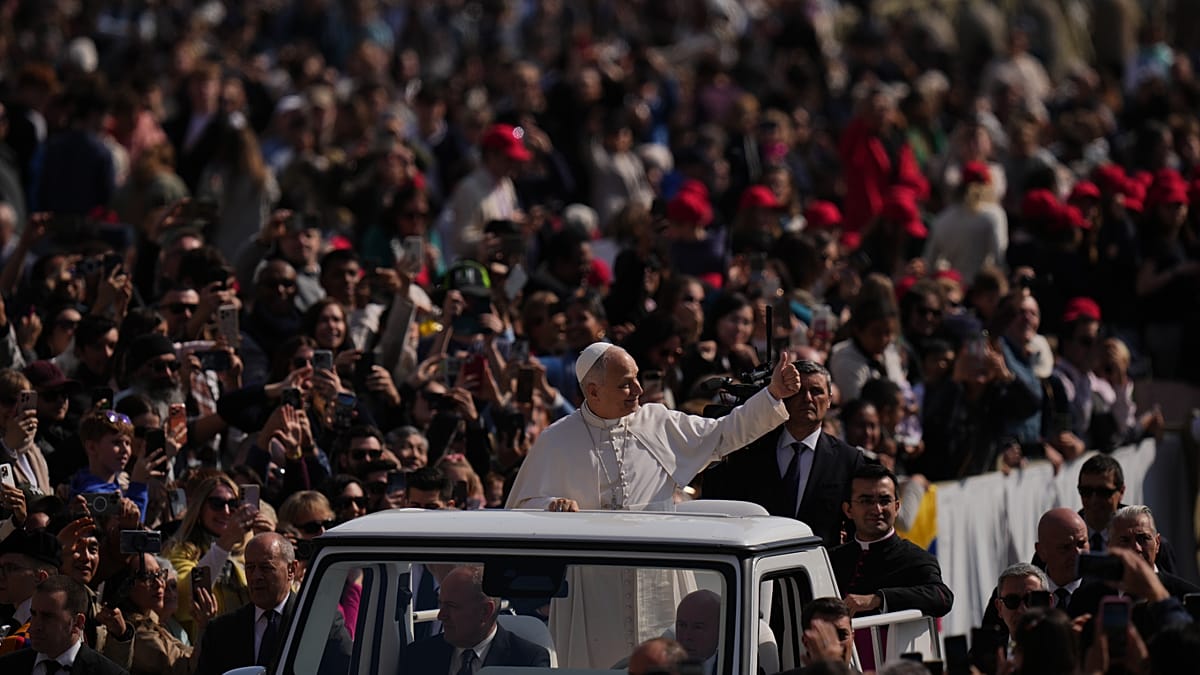
The Catholic Church released new guidelines on Tuesday that fully support animal organ transplants into humans. The Pontifical Academy for Life made clear that Catholic theology has no religious objections to using any animal as a source of organs, tissues, or cells for transplantation.
The timing couldn't be more critical. Current organ transplants meet only 5 to 10 percent of global demand, leaving countless patients in a race against time. Human donor shortages remain one of medicine's most painful limitations.
Xenotransplantation, the process of transplanting animal organs into humans, could offer an unlimited supply of life-saving organs. The Vatican document acknowledges this revolutionary potential while setting clear ethical boundaries.
The guidelines come after decades of biotechnology advances have brought these procedures closer to reality. The Vatican worked with medical experts from Austria, Italy, the Netherlands, and the United States to develop comprehensive standards.
The church does require important safeguards. Animal procedures must only happen when necessary and reasonable. Genetic modifications that could harm biodiversity should be avoided, and animal suffering must be prevented.
Patient identity protection matters too. The document explicitly rejects transplanting brain cells associated with cognition if they could alter someone's personal identity. However, treatments like pig adrenal cell injections for Parkinson's disease get the ethical green light since they correct physical problems without threatening who someone is.
The Ripple Effect
This announcement reaches far beyond Catholic hospitals. With 1.3 billion Catholics worldwide, these guidelines could accelerate xenotransplantation research and acceptance globally. When one of the world's largest religious institutions removes theological concerns, it clears the path for medical innovation to save lives.
The guidelines also set a framework other faith traditions might follow. By balancing human need with animal welfare and addressing identity concerns, the Vatican created a thoughtful model for navigating complex bioethics.
For families watching loved ones deteriorate on transplant waiting lists, this news brings tangible hope that tomorrow's medicine might finally catch up with today's needs.
More Images


Based on reporting by Euronews
This story was written by BrightWire based on verified news reports.
Spread the positivity!
Share this good news with someone who needs it