Venezuela Frees Hundreds of Political Prisoners
Venezuela's new interim government just passed a sweeping amnesty law that could reunite hundreds of families torn apart by years of political imprisonment. After weeks of families holding vigils outside prison walls, loved ones are finally coming home.
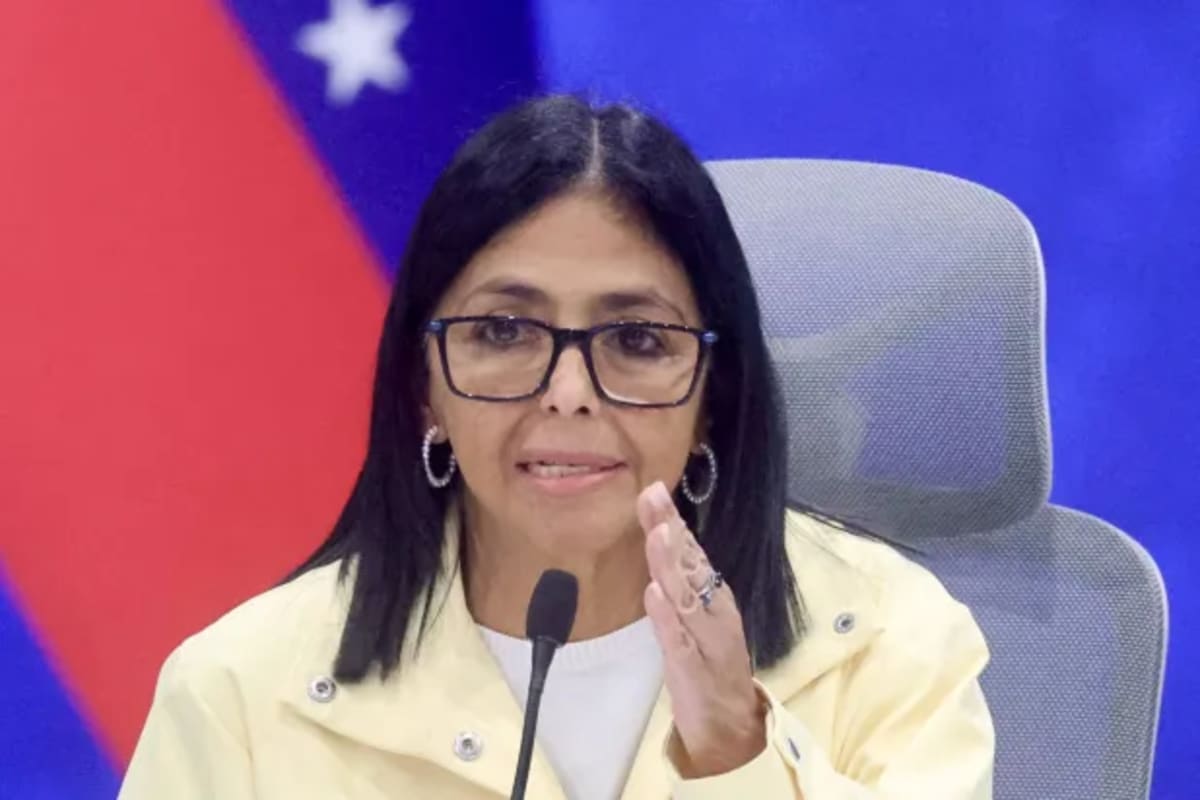
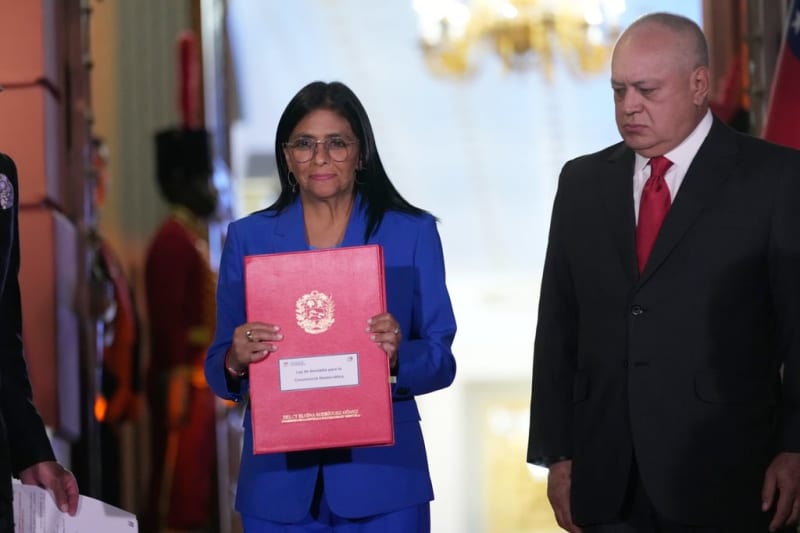
Hundreds of Venezuelan families are celebrating tonight as their country unanimously approved an amnesty law freeing political prisoners who spent years behind bars. The landmark legislation, signed Thursday by interim president Delcy Rodriguez, brings hope to more than 600 people still imprisoned and their waiting families.
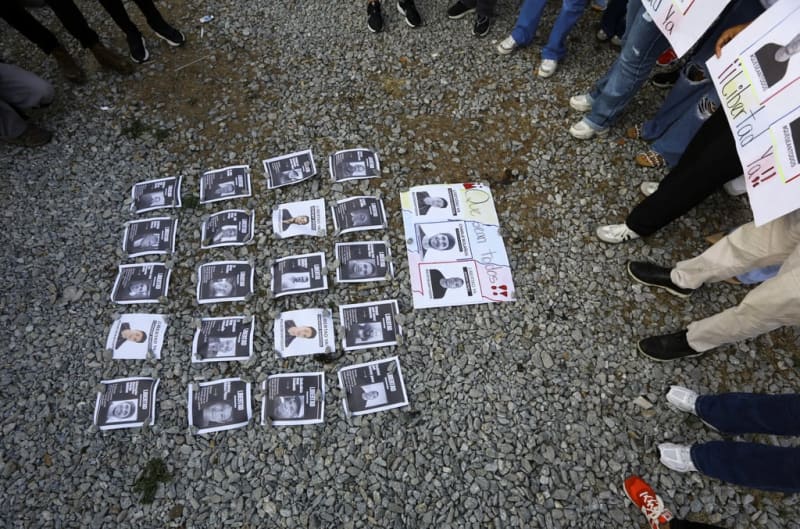
The law applies retroactively to 1999, covering Venezuelans jailed during major political events over the past 25 years. Family members have been holding vigils outside prisons for weeks, with one group in Caracas staging a nearly week-long hunger strike that ended Thursday when the news broke.
Rodriguez signed the bill at the presidential palace in Caracas, calling for both forgiveness and reconciliation. "One must know how to ask for forgiveness and one must also know how to receive forgiveness," she said during the signing ceremony.
The new government faced pressure from Washington to pass the legislation after Rodriguez took power following the January capture of former president Nicolas Maduro. About 450 prisoners have already been released since the regime change, and this law could free hundreds more.
Why This Inspires
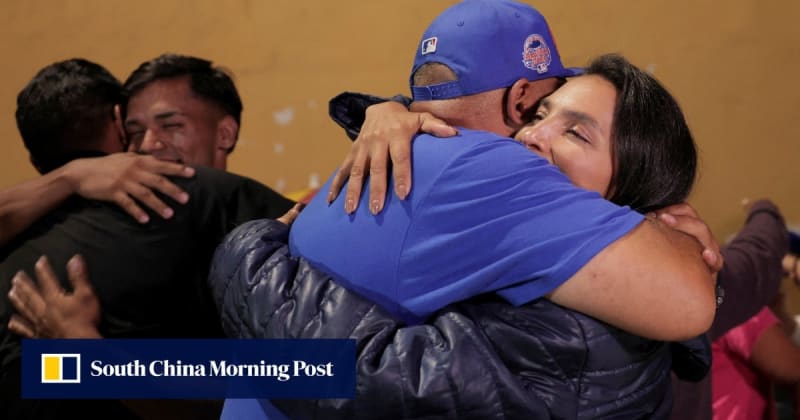
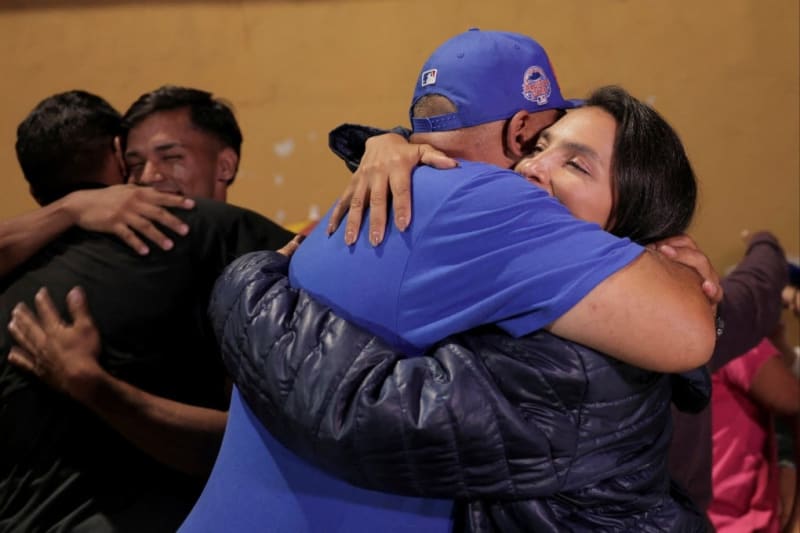
This amnesty represents more than just legal paperwork. It means parents reuniting with children, spouses embracing after years apart, and families sitting down to dinner together again. The unanimous vote shows even a deeply divided country can find common ground when it comes to bringing people home.
Family members reported loved ones suffered from torture, mistreatment, and neglected health problems while imprisoned. Now, those same families are preparing welcome-home celebrations and rebuilding lives interrupted by years of separation.
Human rights organization Foro Penal has been tracking these cases for years, documenting the stories of those imprisoned for opposing the previous government. Director Gonzalo Himiob called the vote an opportunity to show genuine commitment to national reconciliation.
The law does exclude some individuals, particularly those accused of promoting military action against Venezuela. UN human rights experts weighed in Thursday, emphasizing the amnesty should focus on victims of human rights violations while excluding those accused of serious crimes against humanity.
Still, for the majority of families affected, this legislation marks the end of a painful chapter. Parents who watched their children taken away are counting down the hours until release. Spouses separated by prison walls are planning reunions. Communities torn apart by political division are beginning to heal.
After decades of families crying out for justice and mercy, Venezuela is choosing reconciliation over retribution.
More Images
Based on reporting by South China Morning Post
This story was written by BrightWire based on verified news reports.
Spread the positivity!
Share this good news with someone who needs it