Venezuela's Government and Opposition Agree on Court Reform
After six days of historic talks in Caracas, Venezuela's government and opposition reached a surprising agreement to overhaul the country's judiciary. The breakthrough marks the first productive dialogue between the two sides in decades of political tension.
Venezuela's government and opposition just did something few thought possible: they agreed to completely reform the country's highest court.
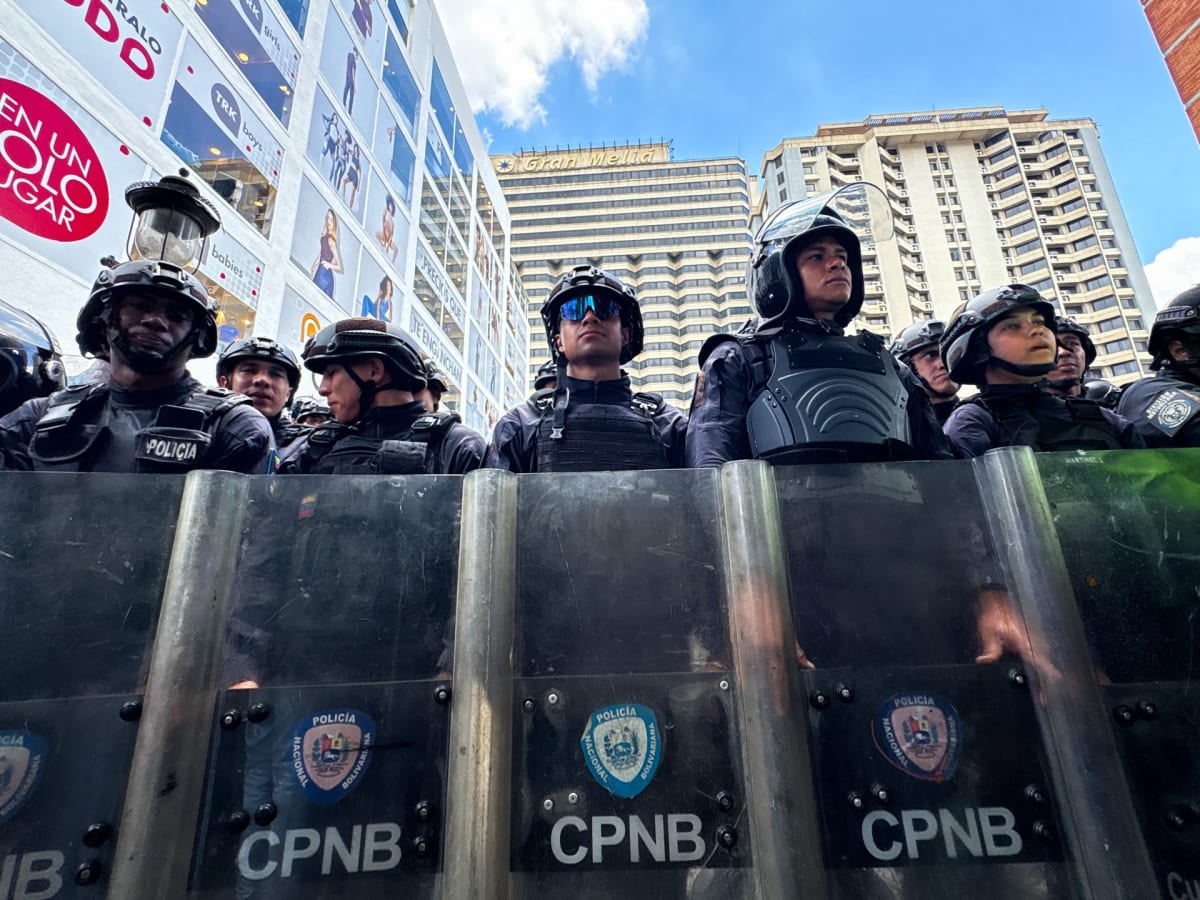
For six days this week, the two sides met at a five-star hotel in Caracas for their first talks since former President Nicolas Maduro's removal. What emerged was a breakthrough that even political analysts didn't see coming.
The agreement calls for replacing all magistrates on the Supreme Tribunal of Justice, Venezuela's highest court. An independent body will now assess candidates for new positions, a major shift for a judiciary long criticized for political alignment.
"Even in the best-case scenario, I did not imagine there would be a change of this magnitude," said Carmen Beatriz Fernandez, a Venezuelan political analyst. She noted that judicial independence matters even more than electoral reforms because it prevents future backsliding.
The talks also produced a second agreement: both sides will work together to unlock Venezuelan assets frozen abroad. The funds would help the country recover from devastating earthquakes that struck on June 24.
Among those watching the negotiations closely was Nieves Jose Benitez, a 72-year-old teacher who traveled from remote Delta Amacuro state to join peaceful demonstrations outside the hotel. Despite earning just $0.17 a month, he remained hopeful about what dialogue could achieve.
"There's nothing better than dialogue. We have to find solutions," Benitez said.
This week's meeting stands out from at least 17 previous attempts at reconciliation since 1999. Unlike past efforts mediated by groups like the Vatican or Norway, this round involved active US participation following major political changes in Venezuela.
The Bright Side
The judicial reforms represent something rare in politics: both sides agreeing to changes that could reduce their own power. Creating an independent Supreme Court means future disputes get resolved by law, not by whoever holds the most influence.
For ordinary Venezuelans like Benitez who depend on hunting and money from relatives abroad just to eat, the promise of impartial courts could mean fairer treatment in everything from workplace disputes to pension claims. Real judicial independence creates a foundation where other reforms can actually stick.
The talks concluded Wednesday with both sides committed to continuing negotiations. After decades of failed attempts, Venezuela finally has a roadmap that political experts believe could lead to lasting democratic change.
Based on reporting by Al Jazeera English
This story was written by BrightWire based on verified news reports.
Spread the positivity!
Share this good news with someone who needs it