Venus and Jupiter Will Share Binoculars This June
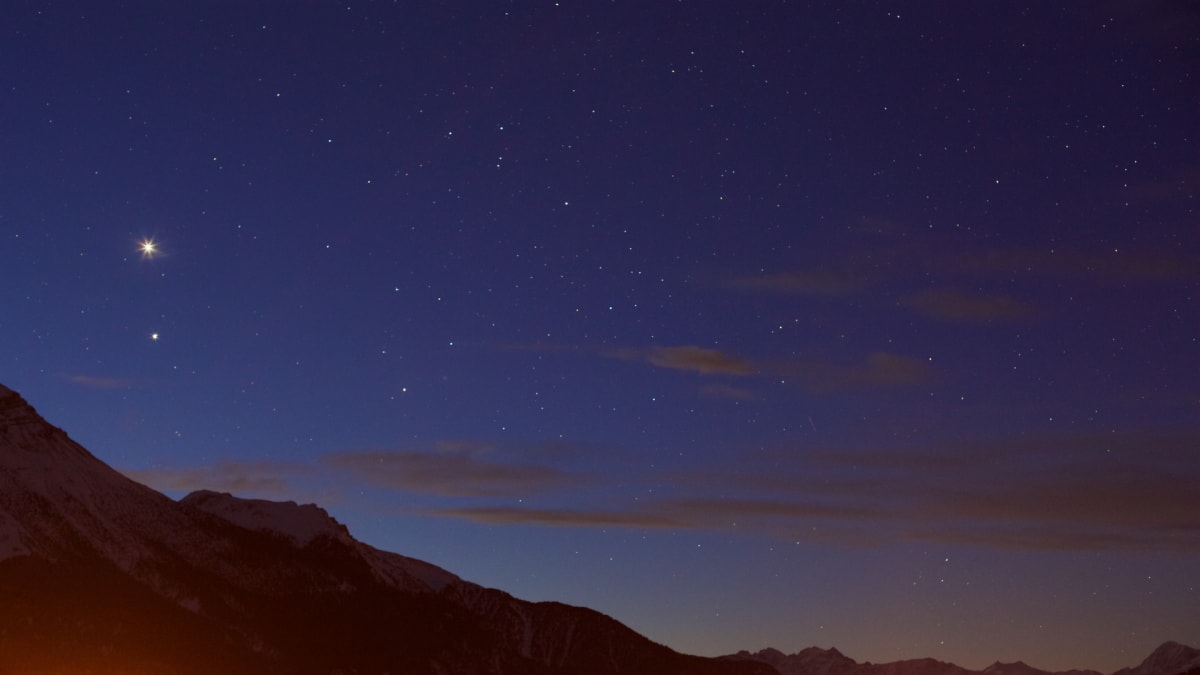
This June, the two brightest planets in our night sky will appear close enough to view together through binoculars in a rare celestial treat. Skywatchers won't need fancy equipment to witness Venus and Jupiter's stunning conjunction starting June 9.
Look up this June and you'll catch a spectacular show that brings the solar system's two brightest planets together in one beautiful view.
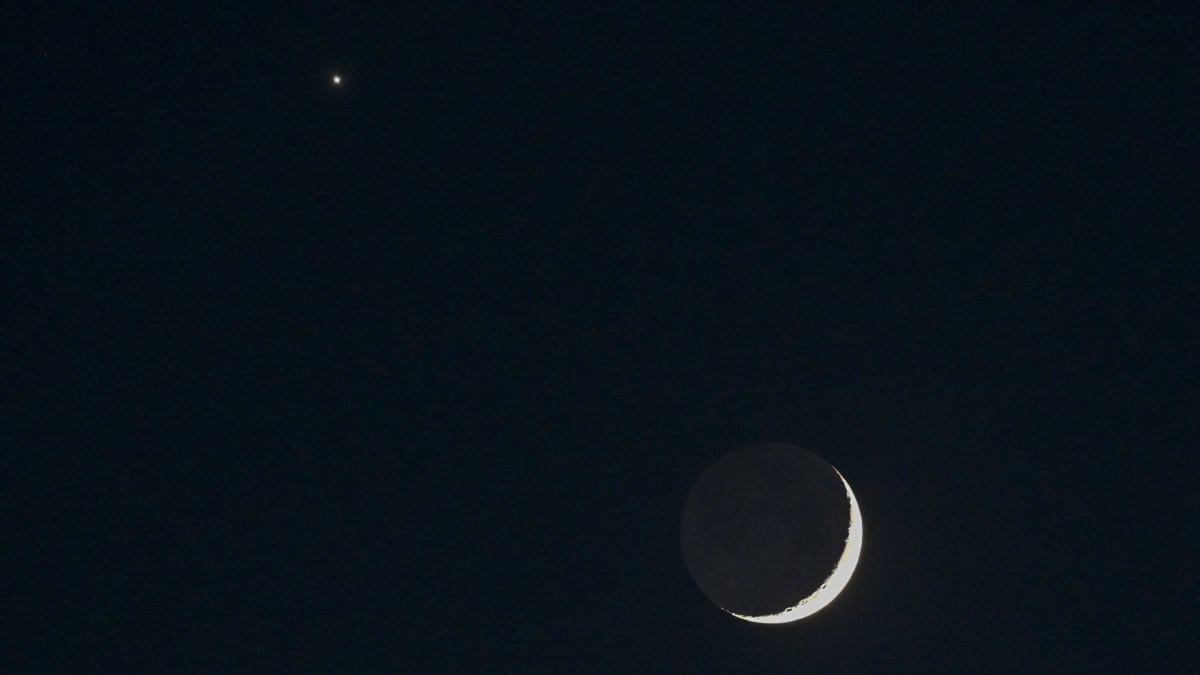
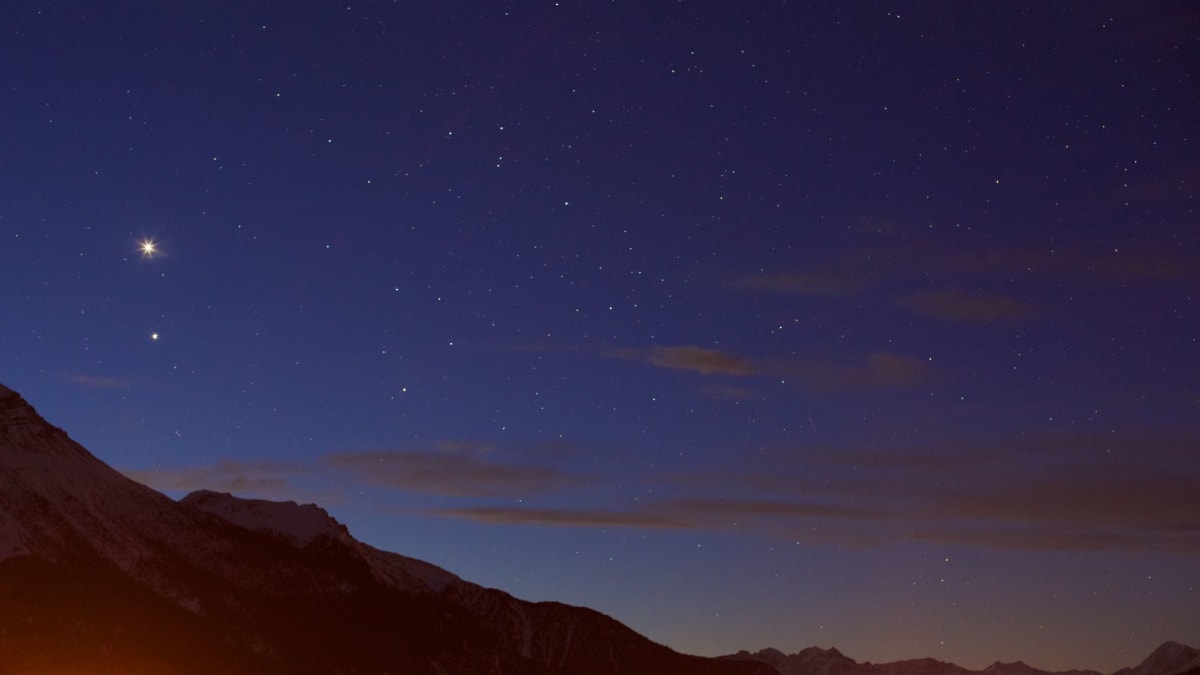
From June 9 through 11, Venus and Jupiter will appear just 1.6 degrees apart in the western sky, close enough to fit within a single pair of binoculars. That's about three times the width of a full moon, or roughly the span of two pinky fingers held at arm's length.
The best viewing window starts about 45 minutes after sunset and lasts for two hours. Find a spot with a clear western horizon, and you'll catch both planets glowing brilliantly as twilight fades.
What makes this conjunction special is how accessible it is to everyone. You don't need a telescope or astronomy expertise to enjoy the view. Venus will shine at nearly eight times brighter than Jupiter, making both planets easy to spot with the naked eye.
If you do have binoculars handy, you'll get an even better treat. A backyard telescope might reveal Jupiter's four large moons as tiny dots of light flanking the giant planet. Even a decent smartphone camera can capture stunning photos of the pair.
The timing creates a beautiful optical illusion. Venus sits just 1.2 astronomical units from Earth, while Jupiter hangs much farther away at six times the Earth-sun distance. They're not actually close in space, but their orbital paths align them perfectly in our sky as Venus rises and Jupiter recedes.
Why This Inspires
This conjunction reminds us that wonder doesn't require expensive equipment or expert knowledge. The universe offers free shows to anyone willing to look up, connecting us to something vast and beautiful that transcends our daily concerns.
Planetary conjunctions happen because each world moves at its own pace around the sun. Venus zips around in 225 days, Earth takes 365 days, and Jupiter needs nearly 12 years. When their paths align from our viewpoint, magic happens in the evening sky.
After this event, Venus will continue climbing higher through summer, reaching its peak distance from sunset in mid-August as our brilliant Evening Star. Jupiter will sink lower until disappearing into the sun's glare by late July.
Mark your calendar for another treat this November 15, when Jupiter and Mars will pair up in the pre-dawn sky, appearing even closer at just 1.2 degrees apart.
The cosmos is putting on a show just for us, and all we have to do is step outside and look up.
More Images

Based on reporting by Google News - Science
This story was written by BrightWire based on verified news reports.
Spread the positivity!
Share this good news with someone who needs it