Venus and Young Moon Put on Rare March 19 Show
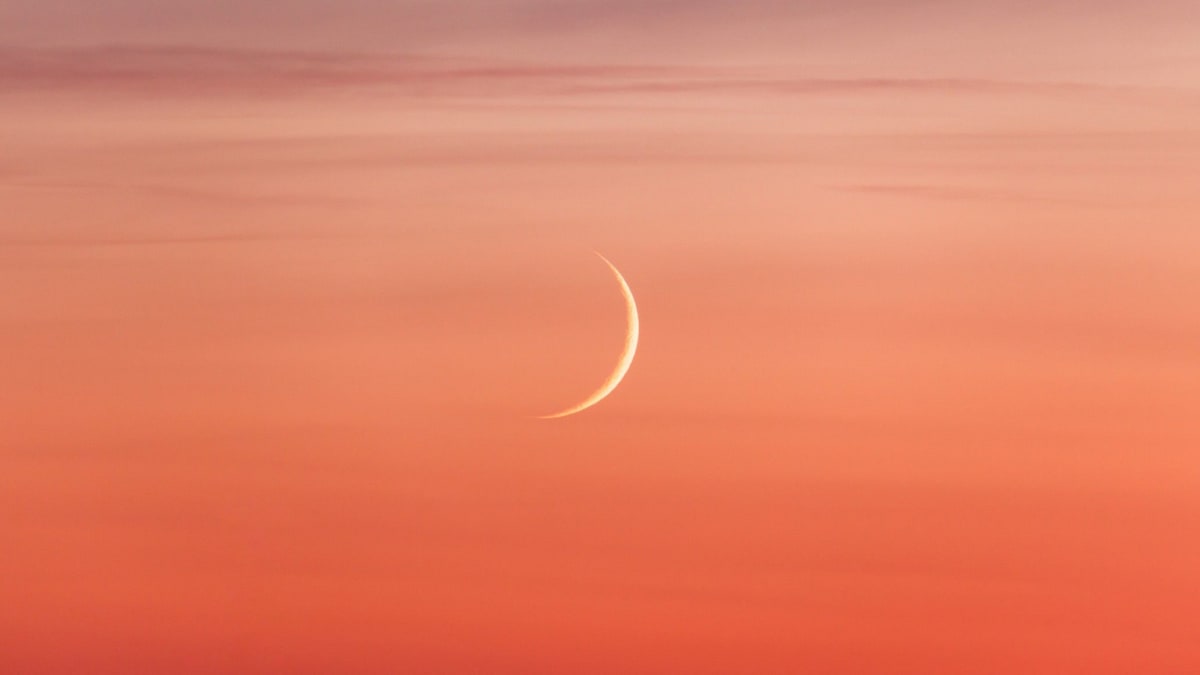
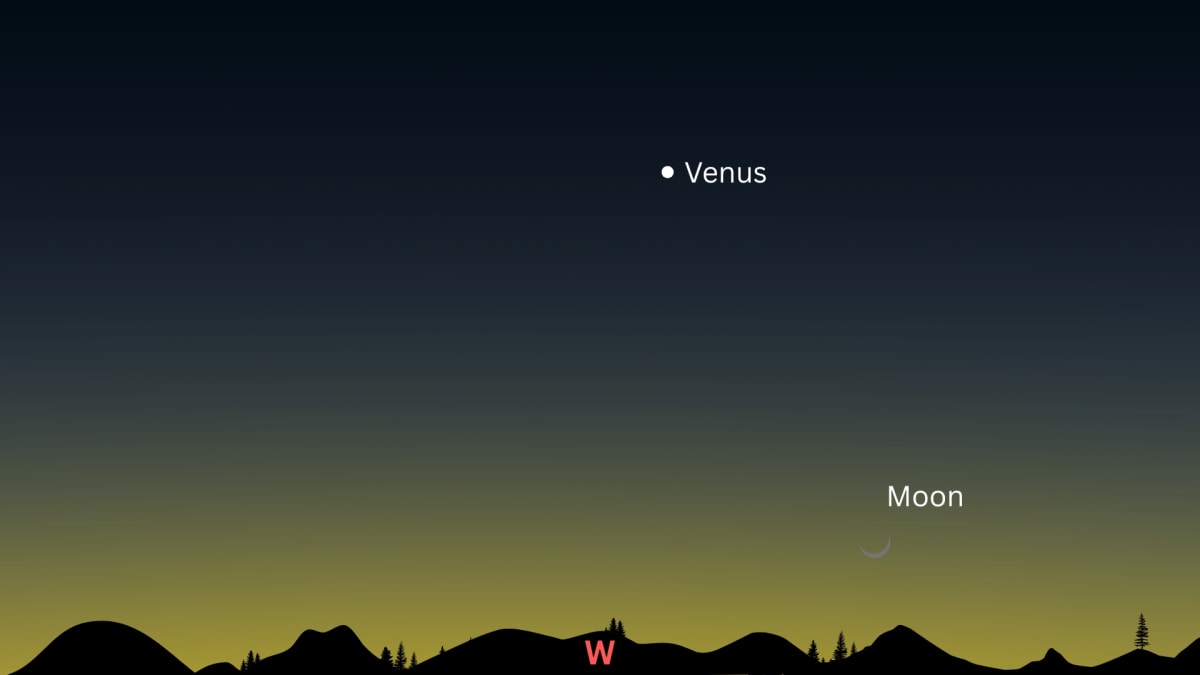
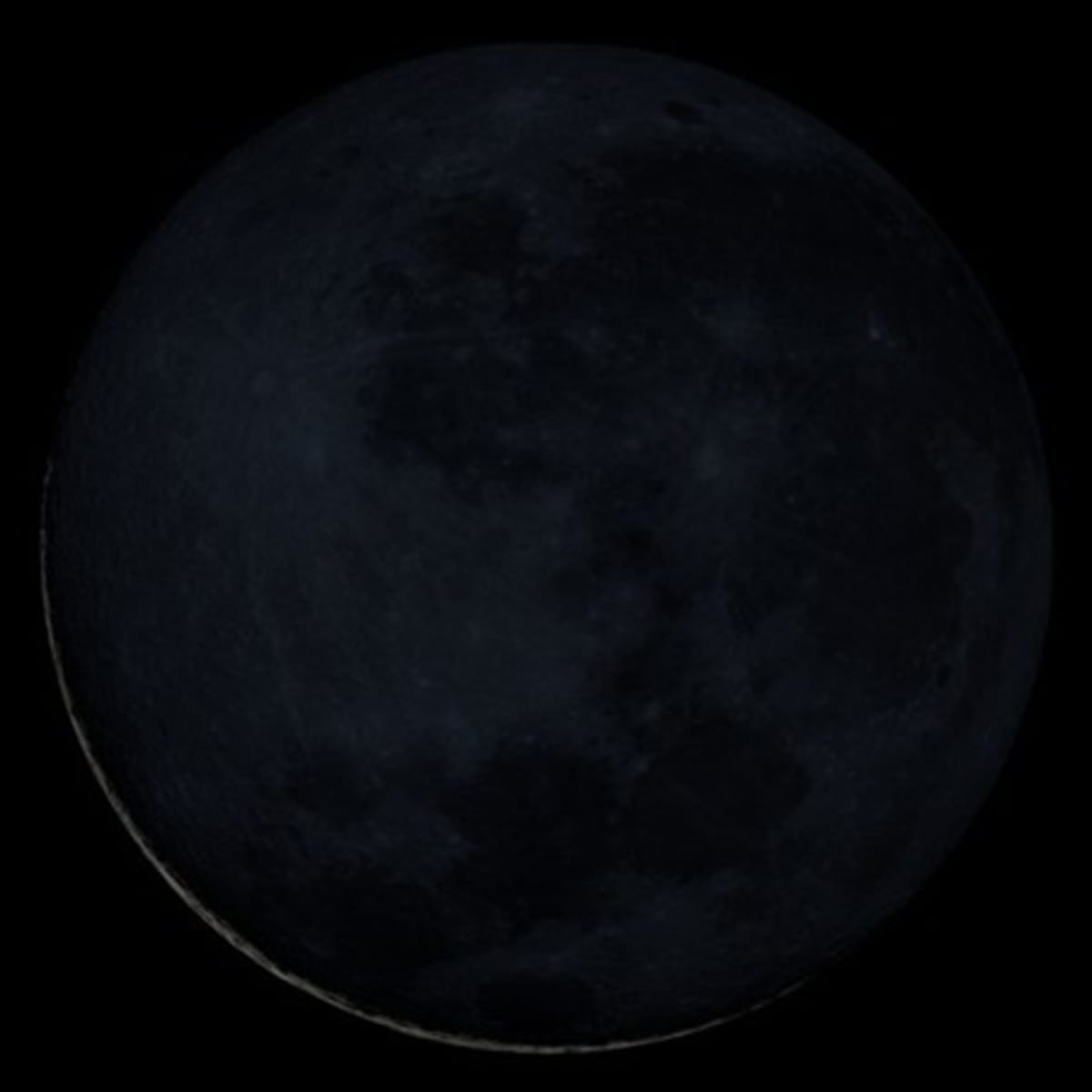
On March 19, skywatchers can spot one of the youngest visible moon crescents of the year alongside brilliant Venus in the western sky. This stunning celestial pairing offers a rare chance to see the moon less than 24 hours after its new phase. #
Look west after sunset on March 19 and you might catch one of the most delicate celestial sights of the year: a hair-thin crescent moon paired with brilliant Venus.
For weeks, people have spotted a bright "mystery object" hovering above the western horizon just after sunset. That dazzling point of light is Venus, now emerging from behind the sun to reclaim its title as the "Evening Star."
Since late February, Venus has been climbing higher in the twilight sky. It now sets about 90 minutes after the sun, making it easy to spot against the deepening blue sky.
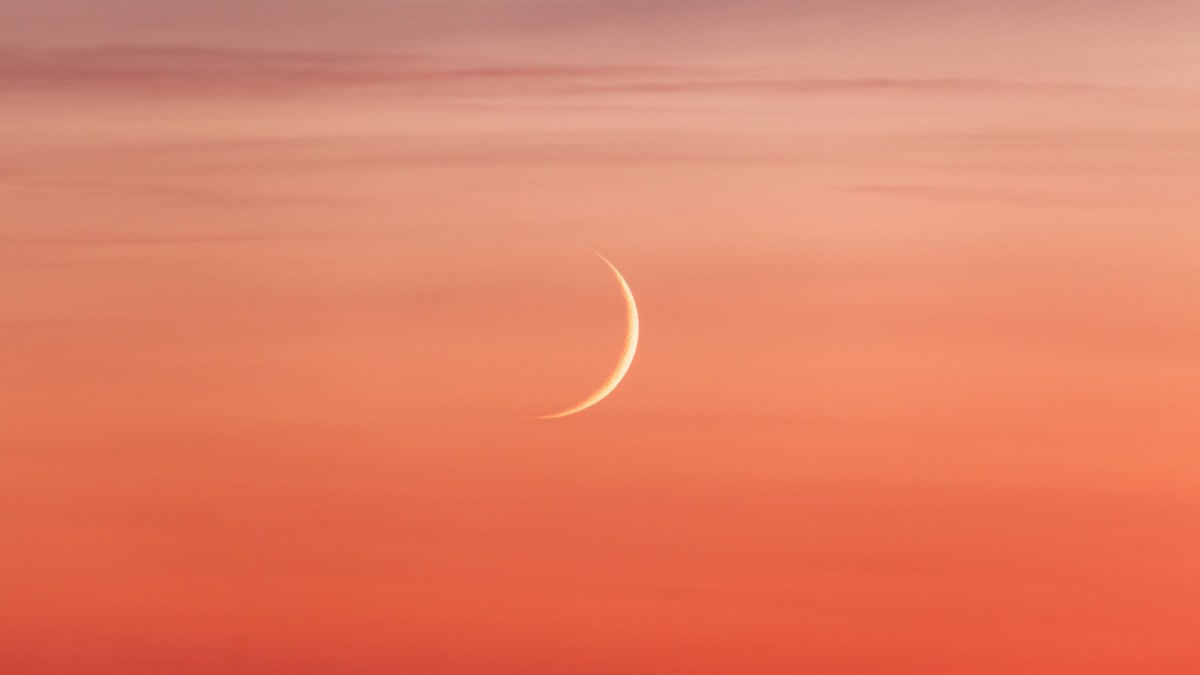
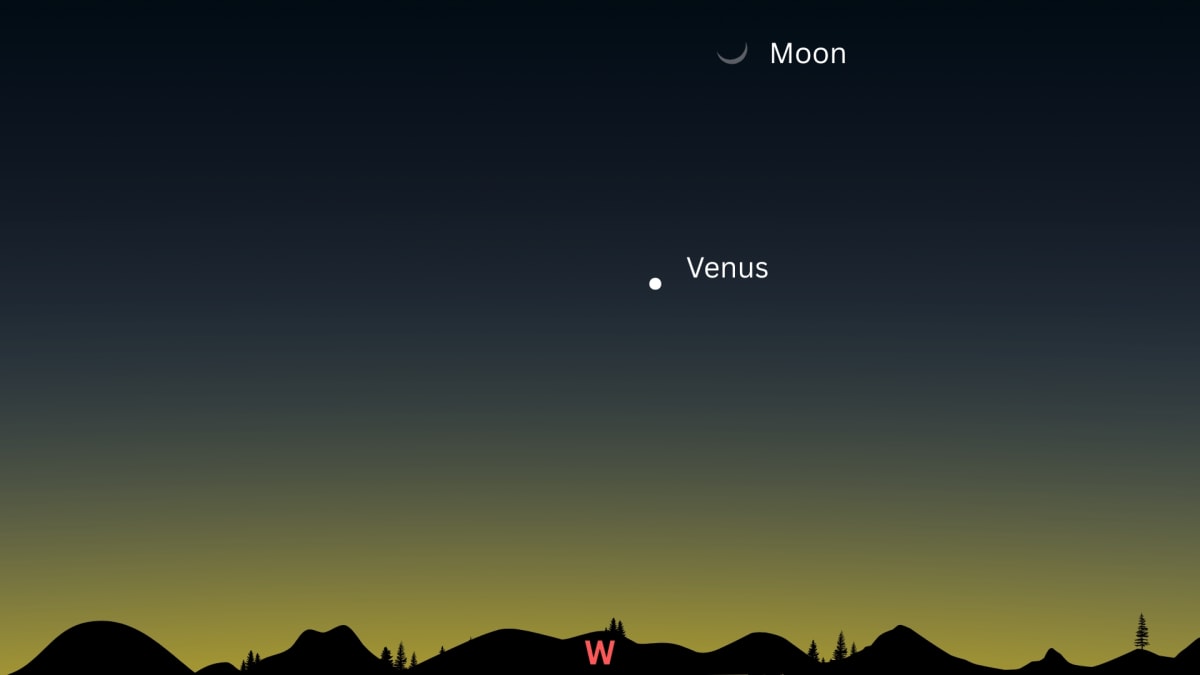
On March 19, Venus becomes your guide to finding something even more special. About 7 degrees to the lower right of the brilliant planet, an incredibly slender moon crescent will appear, less than 24 hours old.
Finding this young moon takes patience and clear skies. Observers need an unobstructed view of the western horizon and should head outside 30 to 60 minutes after sunset, when the moon sits 2 to 5 degrees above the horizon.
First locate Venus, which should stand out clearly against the twilight. Hold your fist at arm's length and measure about three-quarters of that distance down and to the right. That's where the delicate crescent waits.
The moon at this phase shows only a tiny sliver of sunlight, making it challenging to spot with the naked eye. Binoculars can help locate it first, then you can try viewing it unaided once you know exactly where to look.
Why This Inspires
For centuries, cultures around the world have celebrated the first sighting of a young crescent moon. Jewish and Muslim calendars mark new months by this celestial event, giving practical importance to what modern viewers might see as just a pretty sight.
The Icelandic Edda from eight centuries ago called this delicate crescent the "Knife of Time," describing how the moon's cycles carved the year into meaningful segments. This poetic image captures something profound: humans have always looked up to mark time and find meaning.
Tracking moon phases likely formed the basis for our earliest calendars. The challenge remains real today because each lunar cycle varies by up to six hours, and weather often blocks the view.
Most people see their first crescent moon two or three days after the new phase, when 5 to 12 percent of the moon shows sunlight. Spotting a crescent less than 24 hours old puts you among dedicated skywatchers who understand the patience required for celestial beauty.
Venus makes this rare observation achievable for anyone willing to step outside and look up, transforming a difficult astronomical challenge into an accessible moment of wonder.
#
More Images
Based on reporting by Space.com
This story was written by BrightWire based on verified news reports.
Spread the positivity!
Share this good news with someone who needs it