Venus Begins Final Weeks as Evening Star Before Dawn Return
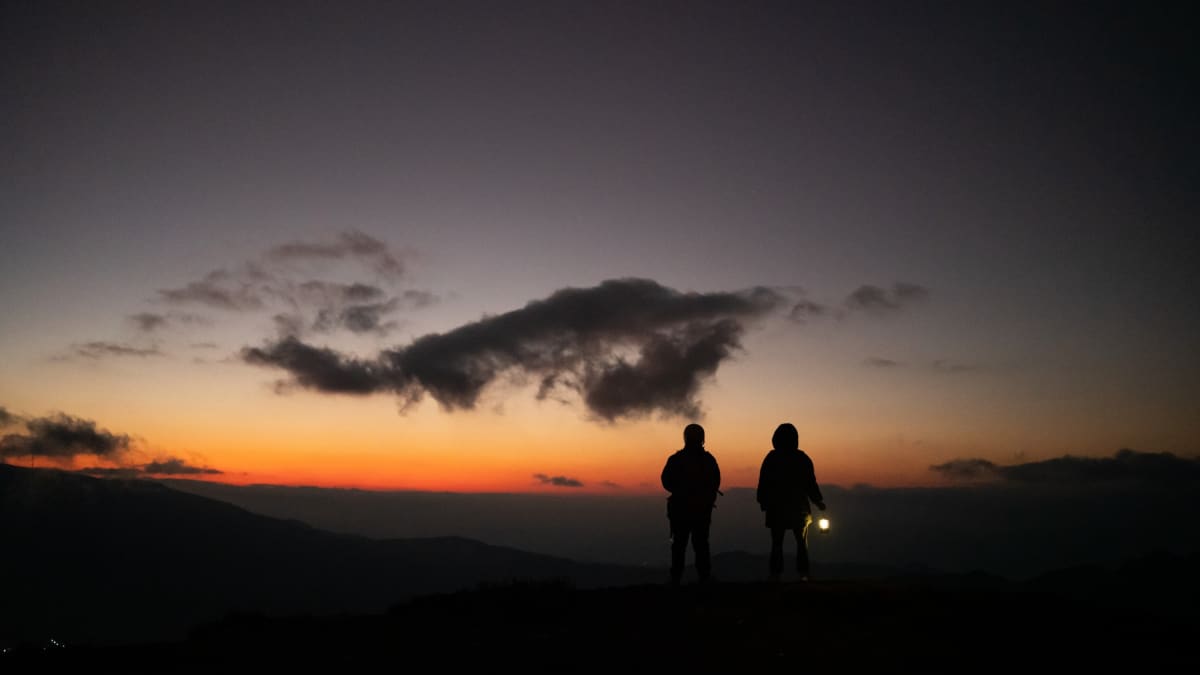
After dazzling in evening skies since March, Venus is making its graceful exit as the "Evening Star" this month before reappearing as a brilliant morning companion by the holidays. Stargazers have just a few weeks left to catch our closest planetary neighbor's spectacular sunset show.
The night sky's brightest performer is taking a bow, but the show isn't ending forever.
Since late March, Venus has commanded attention as the unmistakable "Evening Star," outshining every other planet in the twilight sky. Now it's sinking lower each night, preparing to trade its evening spotlight for a morning debut before Halloween arrives.
This disappearing act is actually a cosmic dance Venus performs with remarkable precision. Our nearest planetary neighbor circles the sun in an almost perfect orbit, completing 13 trips around the sun for every 8 Earth years we experience. Ancient Mayan and Aztec astronomers noticed this pattern centuries ago, tracking Venus with such accuracy they could predict its movements years in advance.
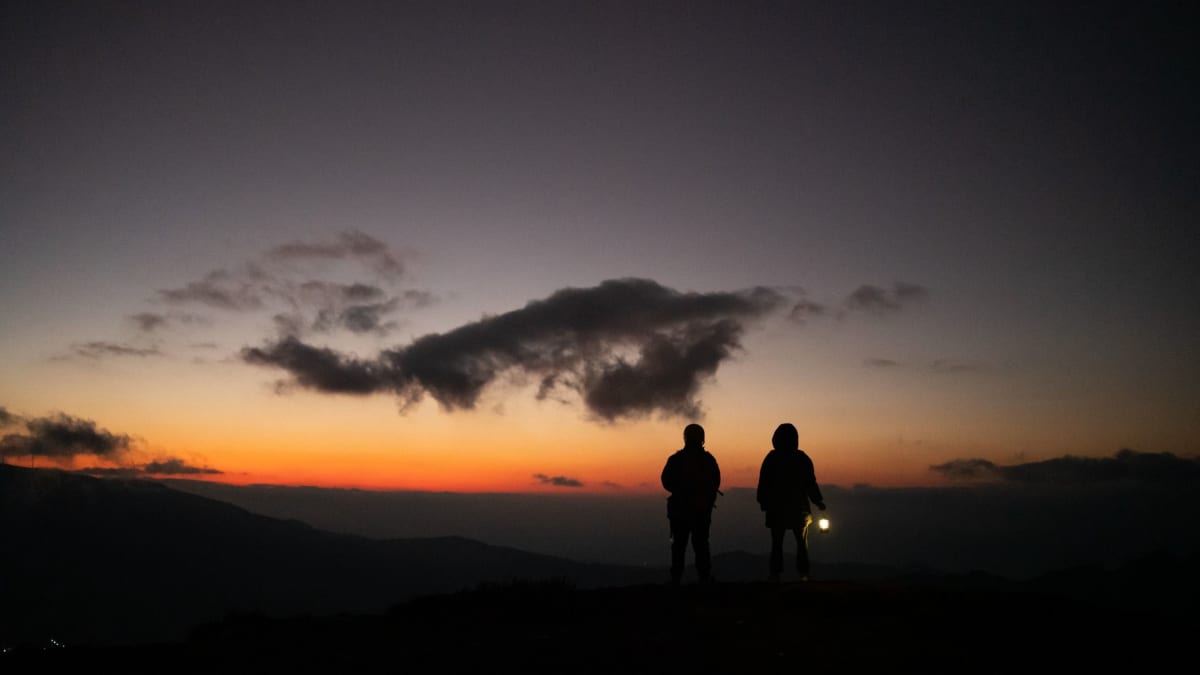
September offers the final curtain call, though catching it requires good timing. On September 18, Venus reaches peak brilliance at a dazzling magnitude of negative 4.8, making it 16 times brighter than the brightest star in our night sky. But it's hugging the horizon, visible only 30 to 45 minutes after sunset in the southwestern sky.
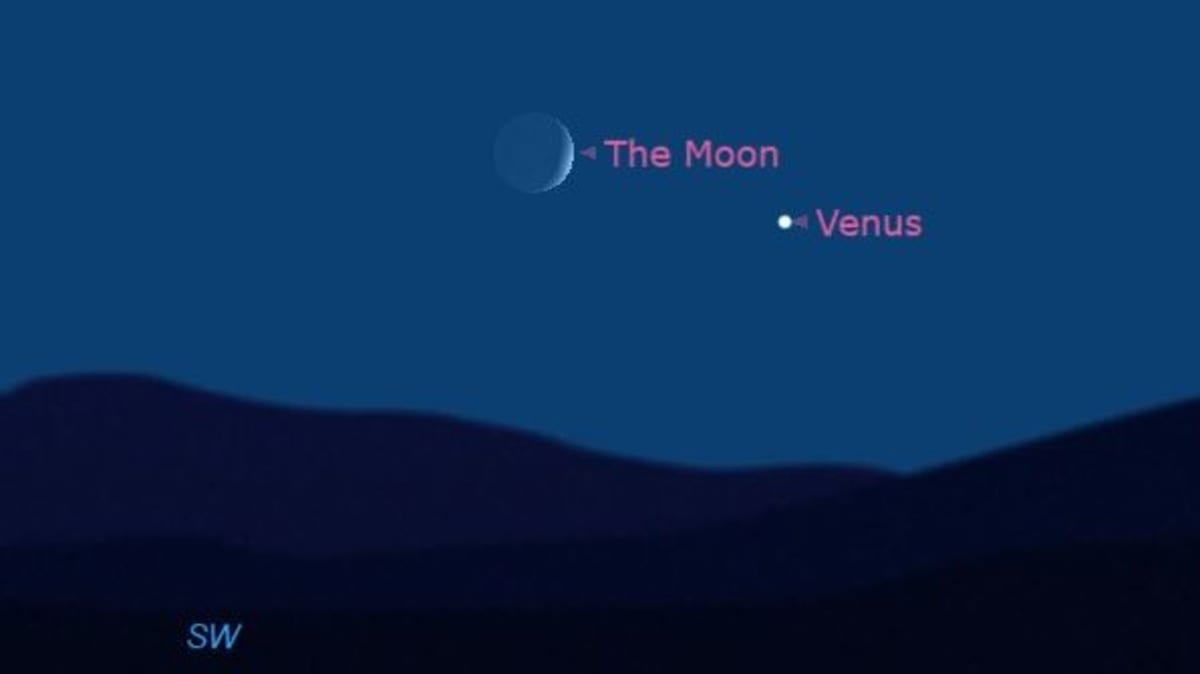
The best viewing opportunity comes September 14, when a delicate crescent moon appears just above Venus low in the west. By month's end, the planet sets a mere 35 minutes after sundown, giving observers an ever-shrinking window to say goodbye.
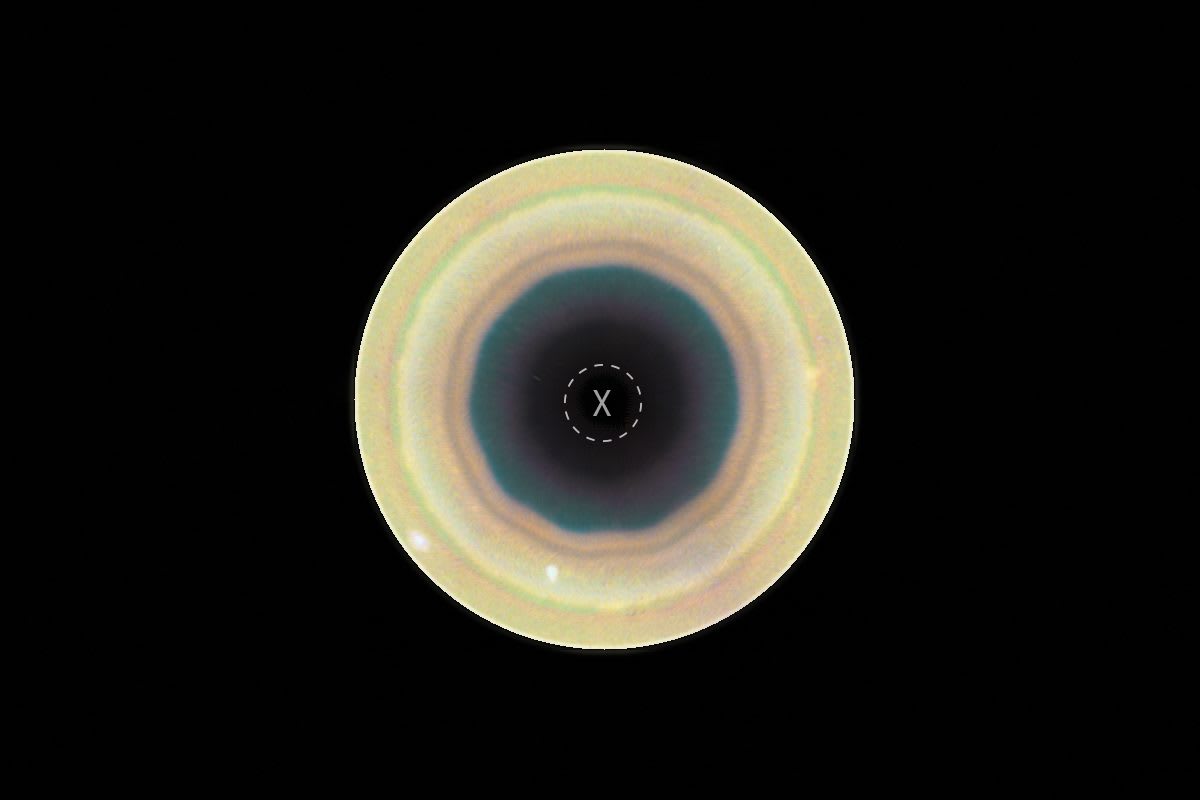
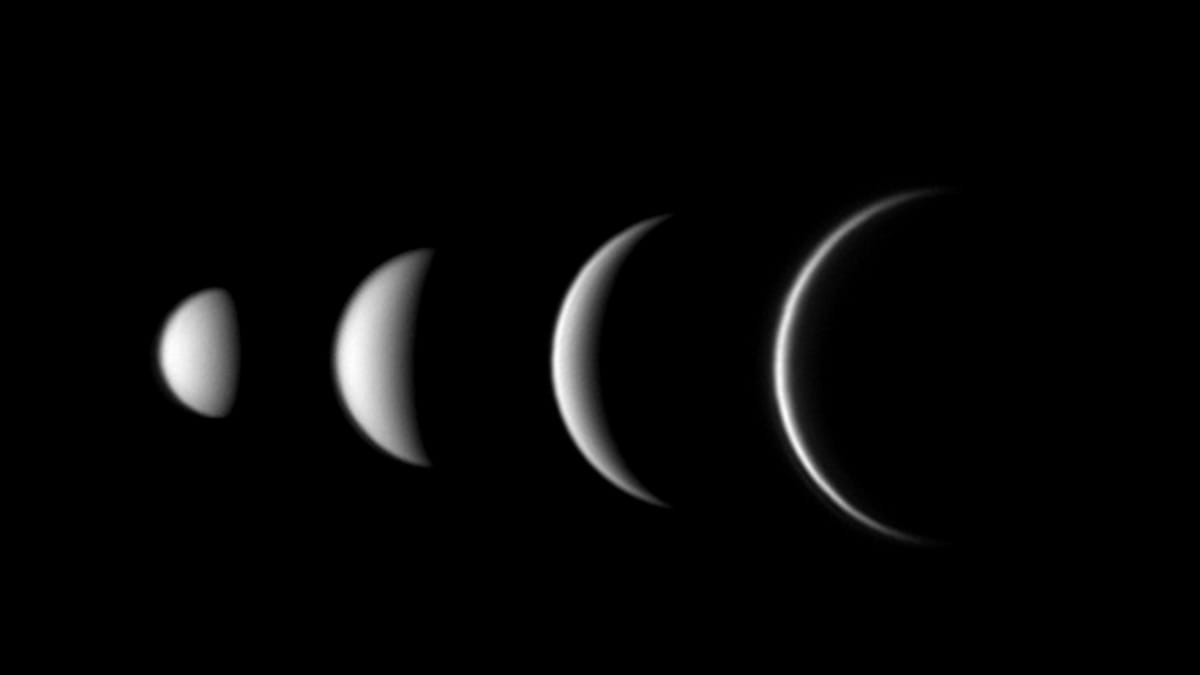
Through a telescope right now, Venus reveals one of its most beautiful secrets: a thinning crescent shape. As the sunlit side turns away from Earth, that crescent grows longer and more delicate, creating an arc of brilliant light against the darkening sky.
Why This Inspires
Venus reminds us that some departures are just intermissions. The planet reaches inferior conjunction on October 24, passing near the sun and temporarily vanishing from view. But this cosmic performer never stays backstage for long.
By November, Venus reappears before dawn, opening a spectacular new chapter as the "Morning Star." Come December, it will shine high in the eastern sky well before sunrise, earning its nickname as the "Christmas Star" and rising nearly four hours before daybreak. What looks like an ending is really just the universe rearranging the stage for an even better show.
For anyone who catches Venus sinking into the September twilight, you're witnessing a celestial rhythm that has repeated for billions of years and will continue long after we're gone.
More Images

Based on reporting by Space.com
This story was written by BrightWire based on verified news reports.
Spread the positivity!
Share this good news with someone who needs it