Vermont Needs 800+ Lake Volunteers This Summer
With over 800 lakes and ponds to protect, Vermont is calling on everyday people to become citizen scientists this summer. Four volunteer programs make it easy to help track water quality, invasive species, and algae blooms.
Vermont's lakes need backup, and the state is betting that everyday people can help protect them.
The Vermont Lakes and Ponds Program is recruiting volunteers across the state to monitor water quality, inspect boats, and track harmful algae blooms this summer. With more than 800 bodies of water to watch over, state scientists simply can't do it alone.
"Volunteers are critical to the success of our department's efforts," said Department of Environmental Conservation Commissioner Misty Sinsigalli. Their work helps scientists understand and protect these natural resources for everyone to enjoy.
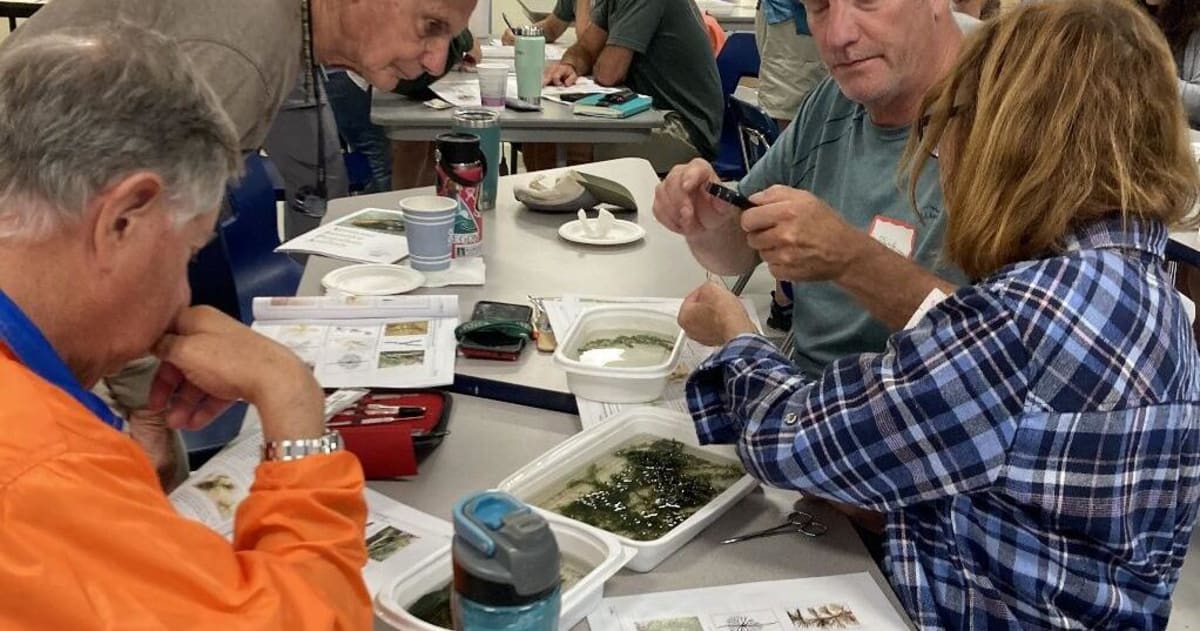
The state offers four ways to get involved, each requiring just a few hours every couple of weeks. The Lay Monitoring Program trains volunteers to collect water samples from their own boats twice monthly from June through August. This effort has tracked summer water quality trends since 1979, giving scientists nearly 45 years of data.
The Vermont Invasive Patrollers Program teaches people to spot troublemakers like zebra mussels and water chestnut. These invasive species can devastate local ecosystems, harm the economy, and even threaten human health. Volunteers pick one lake to monitor each year, becoming the eyes on the ground for early detection.
At boat launches, Public Access Greeters have been educating lake visitors since 2002. They offer free boat inspections to stop invasive species from hitching rides between waterways. It's a simple conversation that can prevent ecological disasters.
The Cyanobacteria Monitoring Program trains volunteers to watch for harmful algal blooms that multiply in warm weather. These blue-green algae can create toxic surface scums that make water unsafe for swimming and recreation.
Why This Inspires
This isn't about credentialed experts doing complex science. It's about regular Vermonters learning to read a Secchi disk or recognize an invasive plant, then showing up consistently throughout the summer. The program proves that environmental protection works best when communities take ownership of their own backyard.
Since 1979, these volunteer networks have grown into the backbone of Vermont's water monitoring system. They've caught invasive species early, tracked pollution trends, and helped keep lakes swimmable for generations of families.
Every measurement matters when you're watching 800 lakes.
More Images


Based on reporting by Google: volunteers help
This story was written by BrightWire based on verified news reports.
Spread the positivity!
Share this good news with someone who needs it