Vermont Turns Toxic Copper Mine Into 20,000-Panel Solar Farm
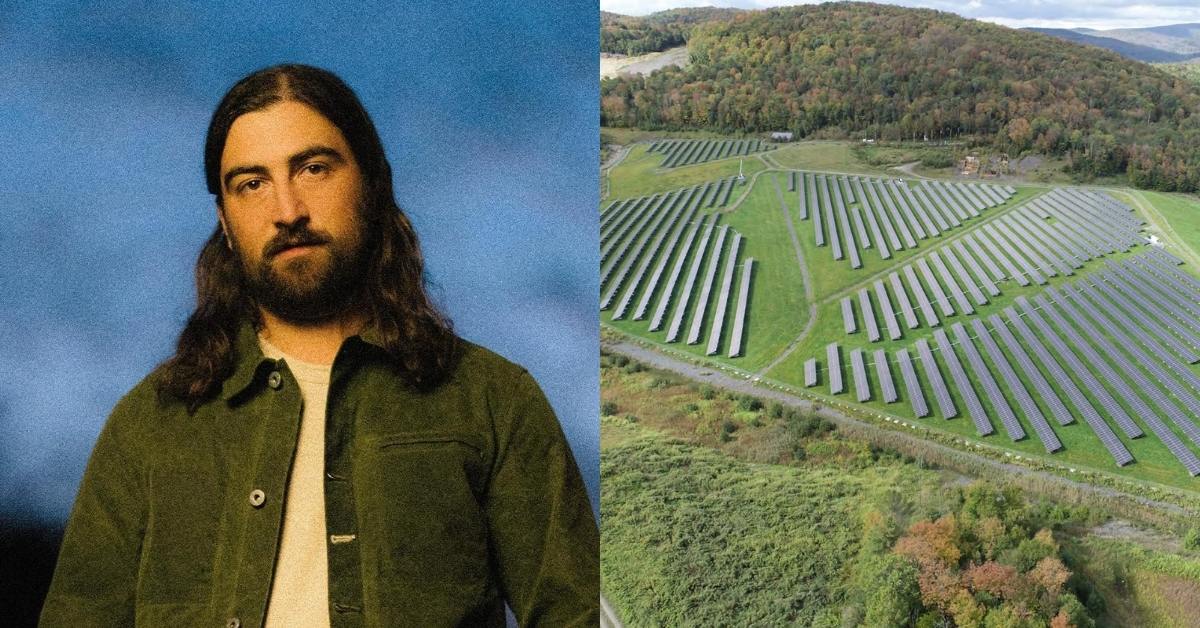
A century-old Vermont copper mine that poisoned rivers for decades now powers over 1,300 homes with clean solar energy. Folk-pop star Noah Kahan immortalized the transformation in his chart-topping new album.
When folk-pop star Noah Kahan sings about solar panels in copper mines on his Billboard No. 1 album "The Great Divide," he's celebrating one of Vermont's most remarkable environmental comebacks.
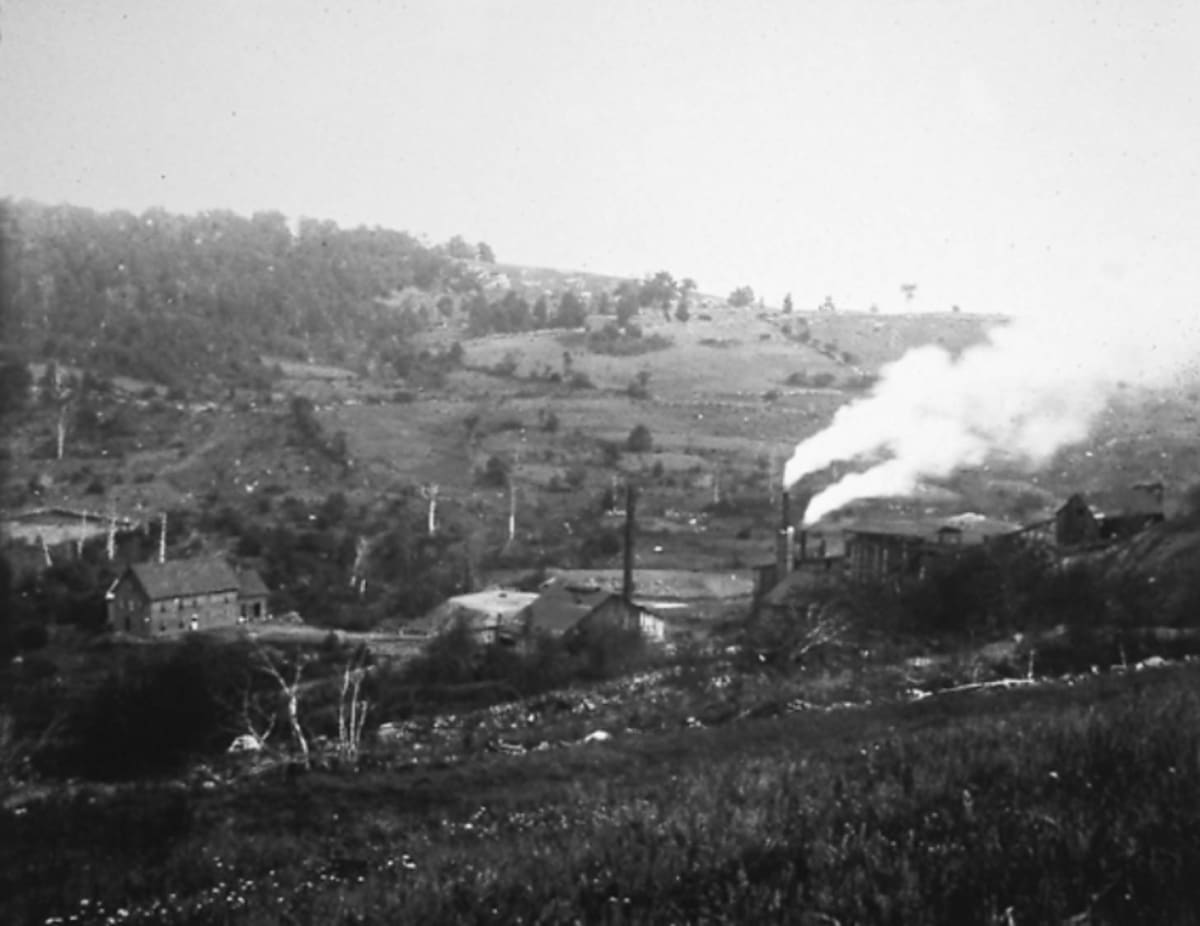
The Elizabeth Mine in Strafford, Vermont, opened in 1793 and produced 100 million pounds of copper ore over its lifetime. But the mining process came at a brutal cost to workers and the environment.
In the late 1800s, workers roasted copper ore to prepare it for smelting, releasing heavy sulfur fumes that killed surrounding vegetation. The toxic legacy lasted long after the mine closed in 1958.
By the early 2000s, a five-mile stretch of the nearby Ompompanoosuc River had more than 10,000 times the acceptable copper levels. Fish were scarce, and one local family had dangerous heavy metals in their drinking well.
The Environmental Protection Agency launched a historic cleanup in 2003, spending over $100 million across two decades. The effort stabilized the mine's dam, cleared toxic waste from waterways, and replaced eight acres of poisoned wetlands with 15 acres of healthy ones.
The project reduced iron pollution from 800 pounds per day to one-tenth of a pound. By 2014, Vermont removed several nearby waterbodies from its Impaired Waters List after fish and other aquatic life returned.
But local resident Dori Wolfe, a passionate solar advocate, saw an even bigger opportunity. She convinced farmer John Freitag and other community leaders that covering the mine site with solar panels could honor its history while protecting Vermont's farmland.
"Vermont has renewable energy requirements, but the sites that are easy to develop are on farm fields," Freitag explained. "If this mine were used for solar, it would preserve farms and forests."
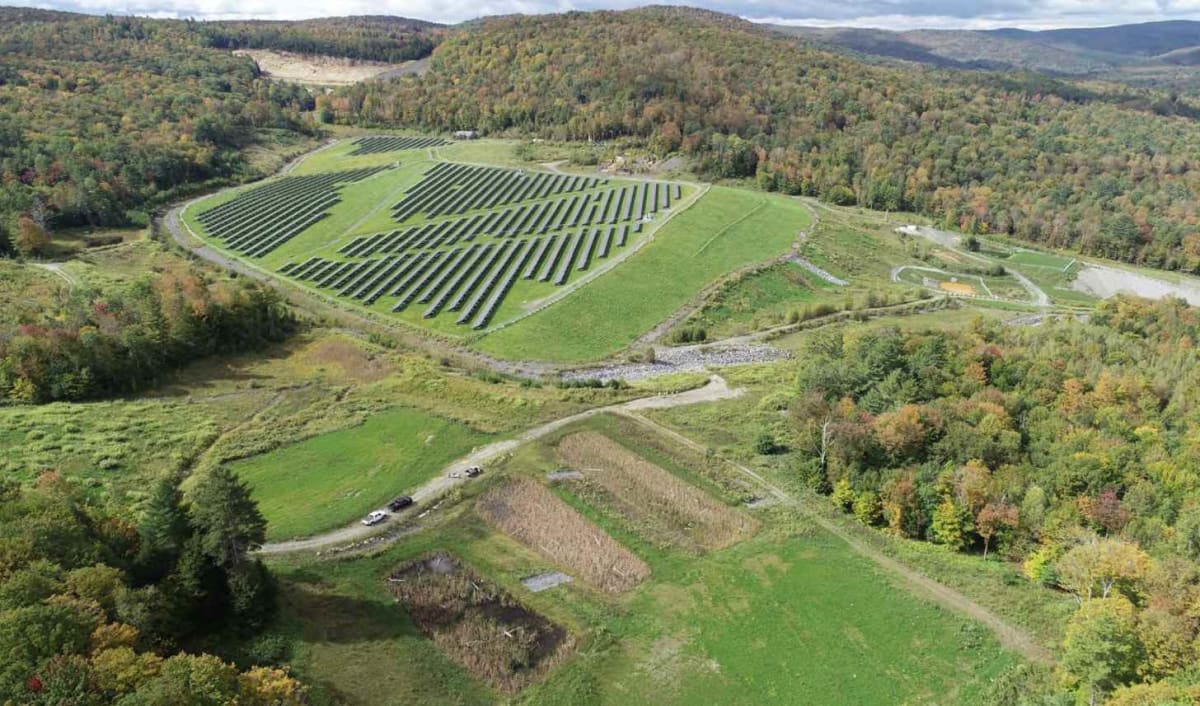
The community approved the project, and 20,000 solar panels were installed across the 45-acre site in 2021. The farm now generates 8.7 million kilowatt-hours of electricity annually, enough to power 1,333 Vermont homes and offset 7,136 tons of carbon dioxide each year.
That's more than enough energy for all 1,100 Strafford residents, with plenty left over.
The Ripple Effect
Kahan's lyric about the solar transformation has sparked curiosity among his millions of fans, many of whom researched the project after hearing "Haircut." With all 21 songs from "The Great Divide" charting on the Hot 100, the Elizabeth Mine's story is reaching a massive audience.
Freitag hopes other communities will follow Strafford's lead. "The Elizabeth Mine is an excellent model for putting solar in the right place, and it's applicable to many other mines," he said.
From environmental disaster to clean energy powerhouse, the Elizabeth Mine proves that communities and federal agencies can work together to turn toxic legacies into sustainable futures.
More Images


Based on reporting by Good Good Good
This story was written by BrightWire based on verified news reports.
Spread the positivity!
Share this good news with someone who needs it