Veteran's Parkinson's Tremor Gone Minutes After Treatment
A 72-year-old Air Force veteran walked into a Texas hospital with severe hand tremors and walked out minutes later completely tremor-free, thanks to a newly FDA-approved ultrasound treatment. The breakthrough offers hope to millions living with Parkinson's disease without requiring invasive brain surgery.
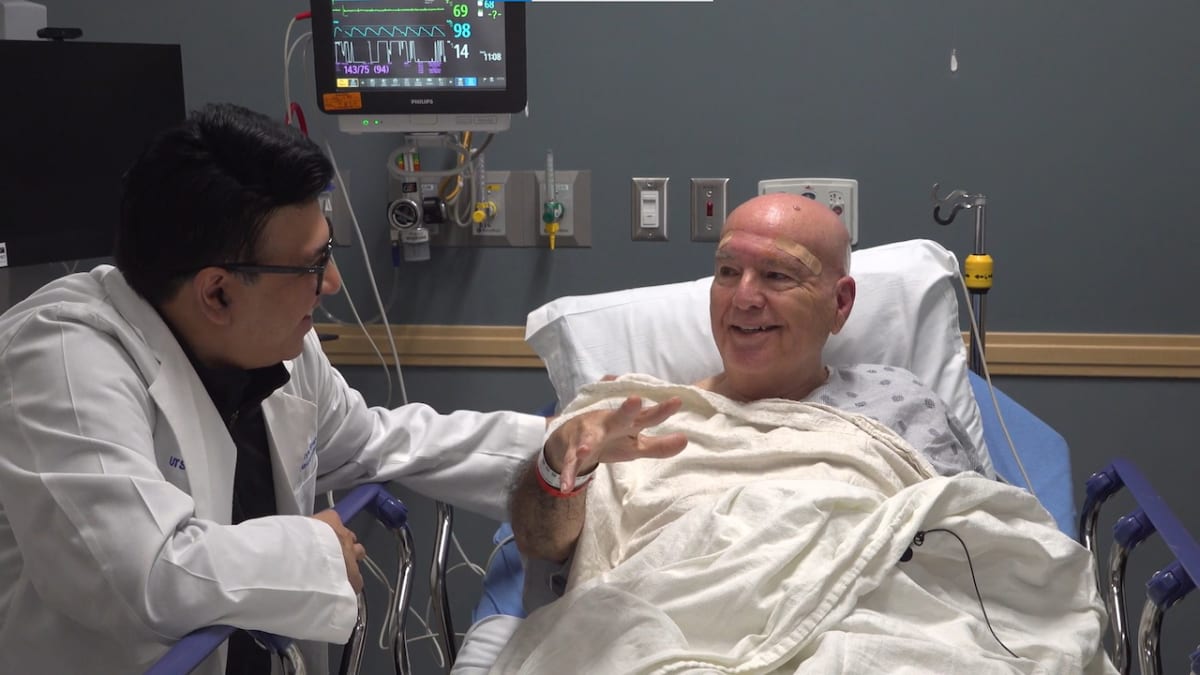
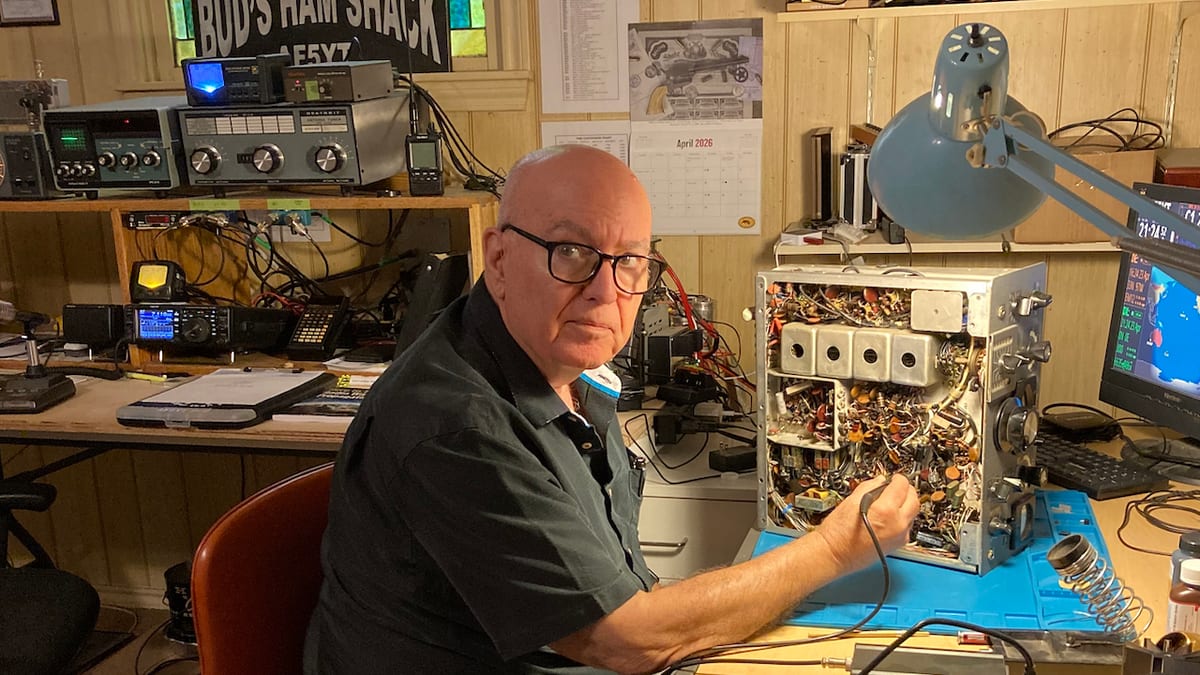
Bud Leavell spent years watching his hands shake so badly he couldn't repair the antique radios he loved or even get a forkful of food to his mouth without struggle. Then, in just minutes, everything changed.
The 72-year-old retired Air Force veteran from Arlington, Texas, became one of the first patients to receive a revolutionary focused ultrasound treatment for Parkinson's disease at UT Southwestern Medical Center this April. Within moments of the procedure ending, his tremor vanished completely.
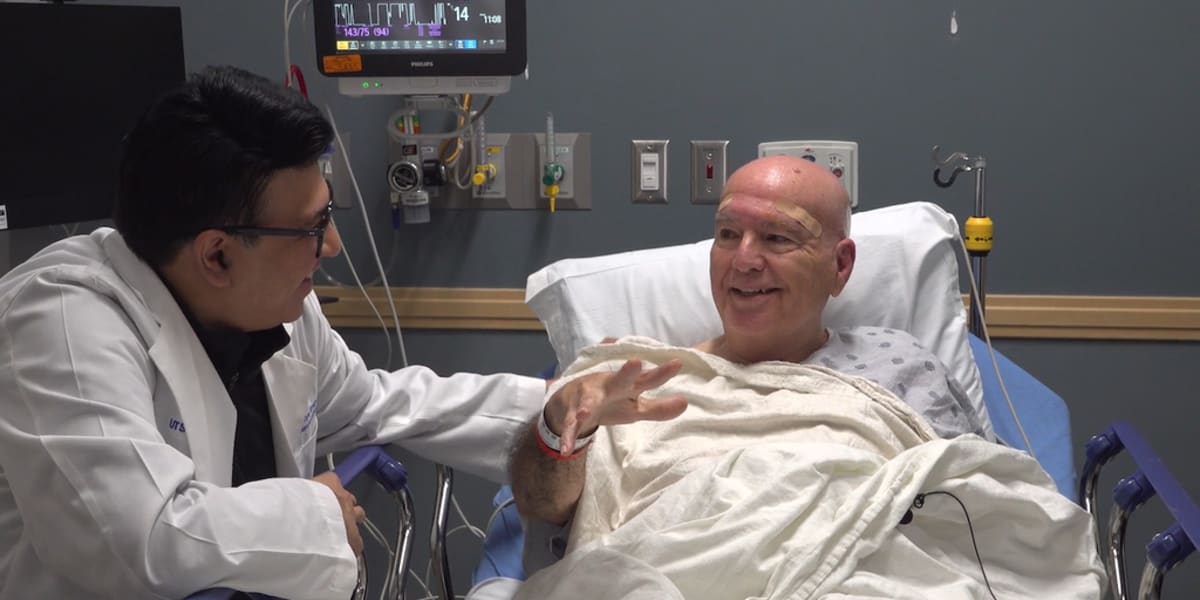
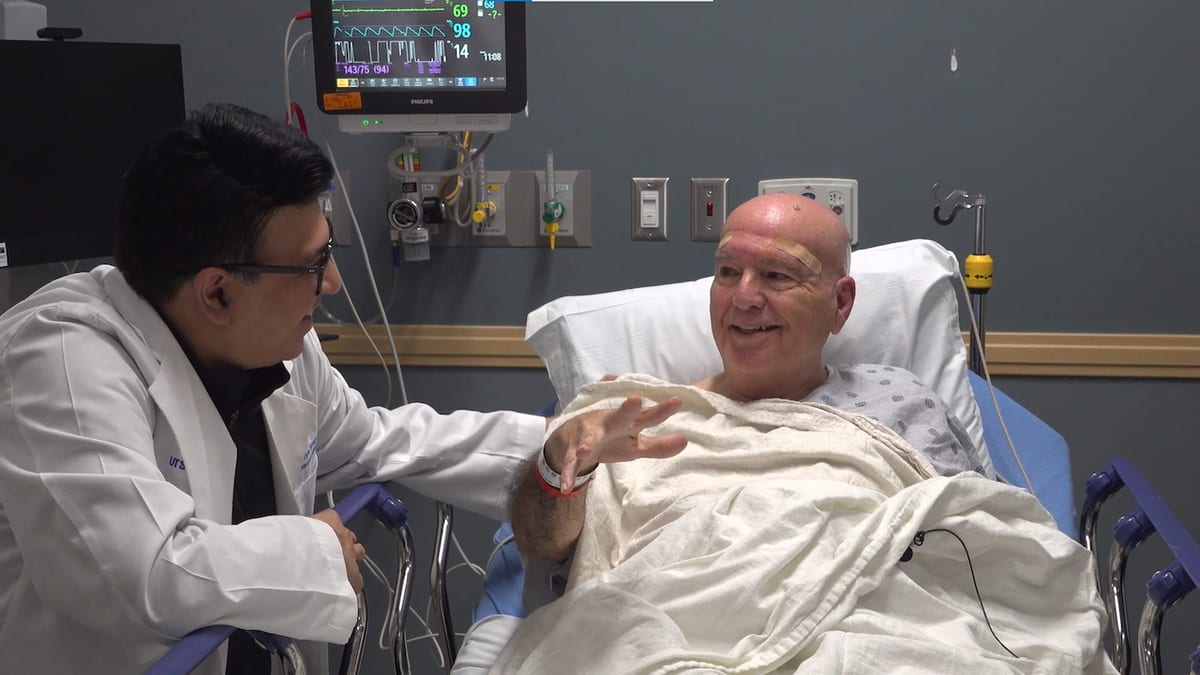
"What tremor?" Leavell joked when his doctor asked about symptoms at his latest checkup.
The treatment works by focusing high-energy ultrasound waves through the skull onto specific nerve bundles deep in the brain. The ultrasound energy heats and removes the tissue causing the tremors, stopping the problematic electrical signals without ever making an incision.
Dr. Bhavya Shah, the neuroradiologist who performed Leavell's procedure, explained the FDA approved this treatment in January 2026 for Parkinson's primary motor symptoms including tremors, stiffness, and slowness. Unlike deep brain stimulation surgery that requires opening the skull and implanting devices, this new approach is completely non-invasive.
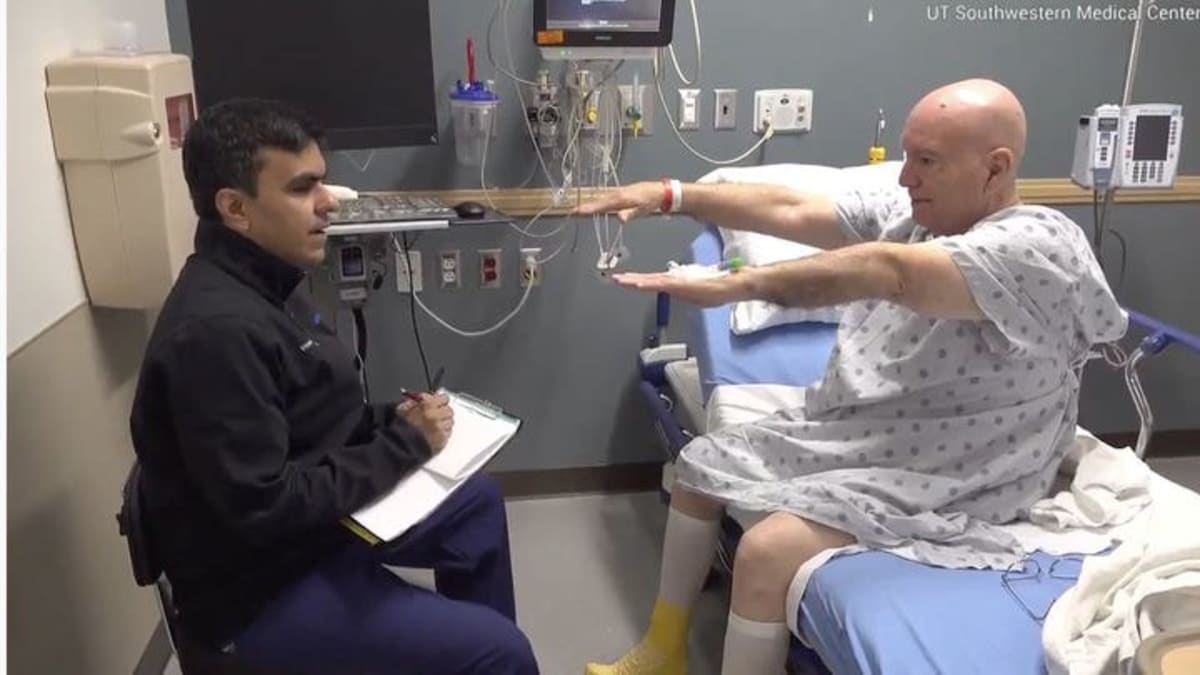
Leavell was diagnosed with Parkinson's in 2017, right after thyroid cancer surgery. His right hand tremor made everyday tasks frustratingly difficult, especially the fine motor skills needed for his favorite hobby.
The beauty of the treatment lies in its precision. Before permanently removing any tissue, doctors use low-energy ultrasound waves to test whether symptoms respond to the targeted area. Advanced brain imaging helps doctors map the exact location they need to treat, since the optimal target varies for each patient.
For Leavell, his tremor responded so strongly to the initial low-energy test that doctors knew they had found the right spot. The team selected brain targets specifically to address his most bothersome symptom.
"I can hold my hand still with or without a tool in my hand," Leavell shared. "I can also get a fork or spoon with food on it into my mouth with ease." He's already back to repairing his beloved antique radios.
Why This Inspires
This breakthrough represents a turning point for Parkinson's patients who haven't responded well to medications or worry about invasive surgery. The procedure takes just minutes, requires no incisions, and patients see results immediately.
Dr. Shah noted that side effects like numbness, tingling, or balance issues occur in 20 to 30 percent of cases but generally improve over time. One tradeoff compared to deep brain stimulation is that there's no device to reprogram if symptoms return, meaning some patients might eventually need another treatment.
But for Leavell and others facing years of uncontrollable tremors, those few minutes on the treatment table meant getting their lives back. He's proof that sometimes the most powerful medicine doesn't require a single cut.
More Images
Based on reporting by Google News - New Treatment
This story was written by BrightWire based on verified news reports.
Spread the positivity!
Share this good news with someone who needs it