Vets Rescue 25 Pets Left Behind in Wildfire Evacuations
When wildfires forced families to flee their homes, a mobile veterinary team drove into evacuation zones to rescue pets running out of food and water. They've now treated over 100 animals while running a field hospital from a Thunder Bay arena.
When wildfires tore through northern Ontario communities, some families had to make an impossible choice: evacuate immediately or stay behind with their pets. Thanks to Vets Around the Corner, those animals didn't get left behind for long.
The veterinary team from Port Perry drove eight hours to Thunder Bay last weekend and set up a full field hospital inside Grandview Arena. Within days, they received desperate messages from evacuated families begging them to break into their homes to save their pets.
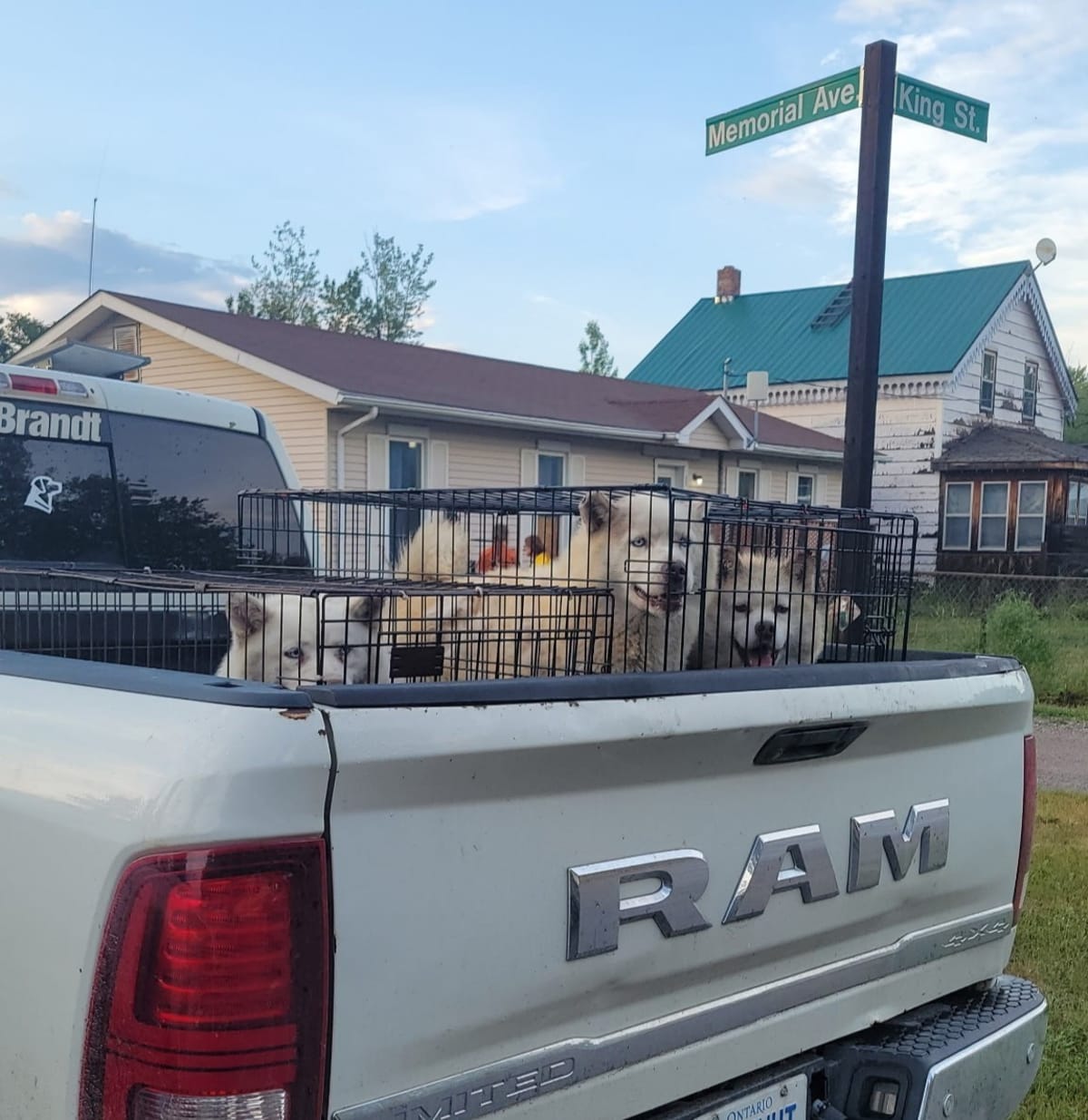
"In many cases they had run out of food and water," said William Woodstock, CEO of Vets Around the Corner. The team made rescue runs to Whitesand First Nation and Armstrong, bringing back about 25 animals by ambulance and rescue plane.
The field hospital looks like something from a disaster movie, complete with reception, triage, treatment, and hospitalization areas. Teams of vets, technicians, and assistants have treated over 100 animals since arrival, seeing 30 to 40 pets daily.
Some animals just needed vaccines before going to temporary foster homes. Others required treatment for lacerations and burns from the fires.
The team even makes house calls to evacuation centers at local hotels, bringing care directly to families dealing with their own crisis. They partnered with the OSPCA and Humane Society to handle more complex surgeries.
The Ripple Effect
This rescue mission is sparking bigger conversations about emergency response. Woodstock spoke with Ontario Corps about officially integrating veterinary medicine into future disaster deployments.
"Pet owners don't want to leave their homes until they know their animals are going to be cared for," explained Dr. Cliff Redford from Wellington Vet Hospital, who joined the mission. Including animal care in evacuation plans could actually save human lives by removing that barrier.
The entire operation runs on donations, burning through $10,000 in supplies daily. The city donated the arena space, but everything else comes from community supporters through their GoFundMe.
The team plans to stay another week or two, moving to a new location if needed after Tuesday. They're proving that when disaster strikes, rescue doesn't have to choose between people and their beloved companions.
Based on reporting by Google: rescue saves
This story was written by BrightWire based on verified news reports.
Spread the positivity!
Share this good news with someone who needs it