
Video Game Teaches Teens Birth Control in Doctor's Office
Game designers created What's My Method?, a digital game that helps young people choose birth control by guiding characters through realistic scenarios. Early research shows games like these make patients 40% more likely to make informed health decisions.
Imagine sitting in your doctor's office and instead of flipping through old magazines, a nurse hands you a tablet with a game that could change your life.
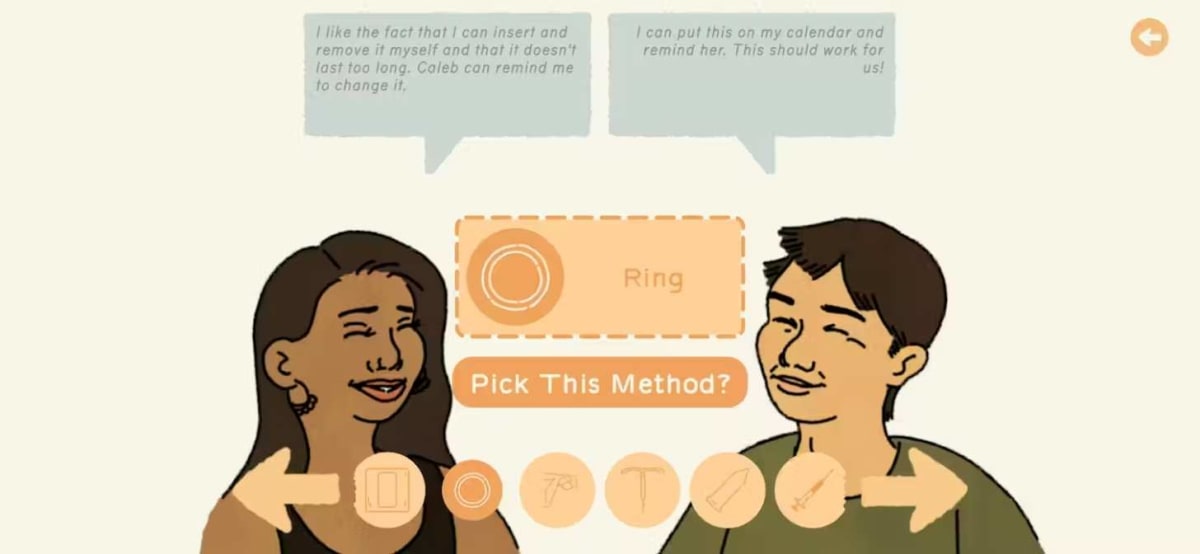
That's the vision behind What's My Method?, a new digital game helping young people navigate one of healthcare's most awkward conversations: choosing birth control. Players guide characters Laila and Caleb through real-life scenarios to find the contraceptive method that fits their lifestyle and needs.
Game designer Elena Bertozzi has spent over a decade proving that video games can teach health lessons better than pamphlets ever could. Her team creates games on sensitive topics like vaccines and reproductive health, turning uncomfortable doctor's office conversations into engaging experiences.
The approach works. In 2012, Bertozzi's team developed Flu Busters! for families of critically ill children at a Long Island hospital. Players helped an avatar navigate a school full of sneezing kids, learning how hard it is to avoid germs without a vaccine.
The results surprised even the doctors. Family members who played the game were 40% more likely to get flu vaccinations than those who didn't.
Unlike traditional patient education materials that overwhelm people with information, games provide targeted knowledge in context. Players don't just read about health choices, they experience them through relatable characters. That emotional connection through avatars triggers empathy, which cements learning in ways brochures never could.
The gaming industry's $300 billion global reach in 2025 means these educational tools can reach massive audiences. What started as entertainment has evolved into a powerful teaching platform, especially for digital-native young people who grew up solving problems through gameplay.
The Ripple Effect
Bertozzi's team has tested health games across four countries, from New York to Ghana. Each game tackles a specific barrier to healthcare, whether it's vaccine hesitancy or reproductive health literacy. The What's My Method? game is currently being tested to see if it helps people have more productive conversations with their healthcare providers about birth control.
The pandemic showed gaming's true social power when billions of isolated people maintained connections through Animal Crossing and Fortnite. Now that same technology is helping patients make informed decisions about their bodies.
Play isn't just for kids anymore. It's how we're learning to navigate complex health decisions, one game at a time.
More Images



Based on reporting by Good Good Good
This story was written by BrightWire based on verified news reports.
Spread the positivity!
Share this good news with someone who needs it