Vienna Turns 350 Parking Spots Into Parks and Bike Lanes
Vienna is removing parking spaces across the city and replacing them with trees, bike lanes, and community gardens. The result? Car use dropped 37 percent while residents gained cooler, greener neighborhoods.
Vienna is doing something most cities would consider unthinkable: it's getting rid of parking spaces on purpose, and residents are happier for it.
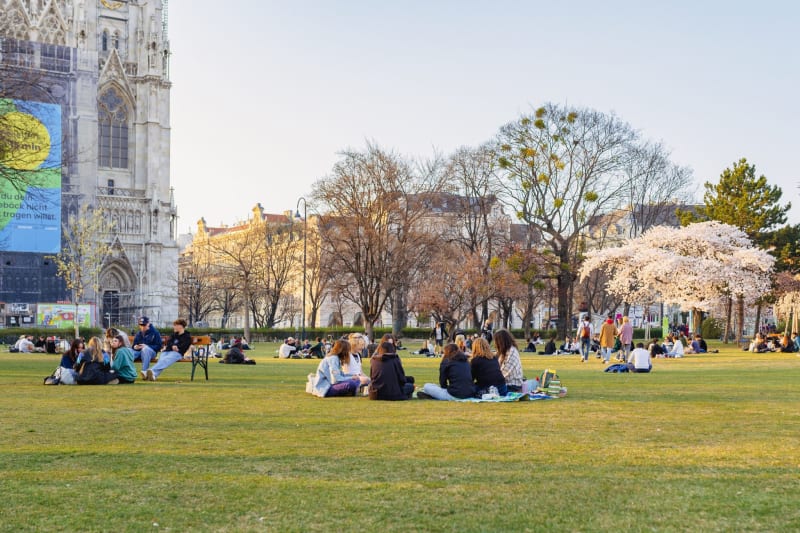
The Austrian capital has launched more than 350 projects to transform parking spots into green spaces, bike lanes, and community gathering areas. Even Neuer Markt, a historic square in the city's heart, traded its parked cars for trees, benches, and open space where people can actually breathe.
One major street became a Dutch-style cycling corridor where 140 parking spaces made room for nearly a mile of bike lanes lined with plants. Residents can even apply to convert individual parking spots into "neighborhood oases" like community gardens, playgrounds, or outdoor seating.
The city also made a bold policy change: all street parking now requires payment, with a strict two-hour limit for non-residents. Free parking is officially history.
But here's the crucial part. Vienna didn't just take away parking and leave people stranded. The city invested heavily in alternatives that actually work: fast, affordable public transit, park-and-ride garages at the city's edge, and protected bike infrastructure throughout.
"We have to ask: how do you want your neighborhood?" said Ina Homeier from Vienna's Department of Urban Planning. "Do you want it filled with cars and without any trees, or do you want something different?"
The Ripple Effect
Vienna's parking fees now generate around $209 million annually, and every dollar goes straight back into cycling infrastructure and public transit. This funding model creates a positive cycle: fewer parking spots mean more revenue for alternatives, which means fewer people need cars in the first place.
The results speak volumes. Car use in Vienna has dropped 37 percent compared to the 1990s. Meanwhile, the city gained hundreds of tree-lined streets that stay cooler in summer, better stormwater drainage, and neighborhoods designed for people instead of vehicles.
Other cities are watching closely. Dallas converted a large downtown parking lot into a 3.7-acre park. San Francisco and New York kept pandemic-era parklets that turned parking spaces into outdoor dining areas. Cities like San Jose and Austin are eliminating laws that forced new buildings to include minimum parking requirements.
"There are lots of cities starting to realize the opportunity that parking offers," said Dana Yanocha of the Institute for Transportation and Development Policy. In the US, where parking takes up roughly 25 percent of developable urban land, that's a lot of potential for transformation.
The resistance is real, especially in car-dependent places. But Vienna's approach offers a blueprint: you can't just take away parking without offering something better.
When that better option exists, people choose it willingly, and everyone wins.
Based on reporting by Optimist Daily
This story was written by BrightWire based on verified news reports.
Spread the positivity!
Share this good news with someone who needs it