Vietnam Bets on Oceans for Sustainable Growth
Vietnam is pivoting from land-based industry to ocean resources, building a "blue economy" that could power growth while protecting the environment. With 2,000 miles of coastline and four million people employed in marine industries, the nation sees its waters as the next frontier.
Vietnam's economic miracle has been built on factories and export hubs, but the country's next chapter may be written in blue, not concrete.
The Southeast Asian nation is betting big on its oceans. With more than 2,000 miles of coastline and some of the region's richest marine ecosystems, Vietnam is building what experts call a "blue economy," combining economic growth with sustainable ocean use.
The shift comes at a crucial moment. Vietnam has committed to net-zero emissions by 2050, requiring massive changes across every sector. At the same time, rising seas and saltwater intrusion threaten the Mekong Delta, Vietnam's agricultural heartland, turning environmental protection from a nice-to-have into an economic necessity.
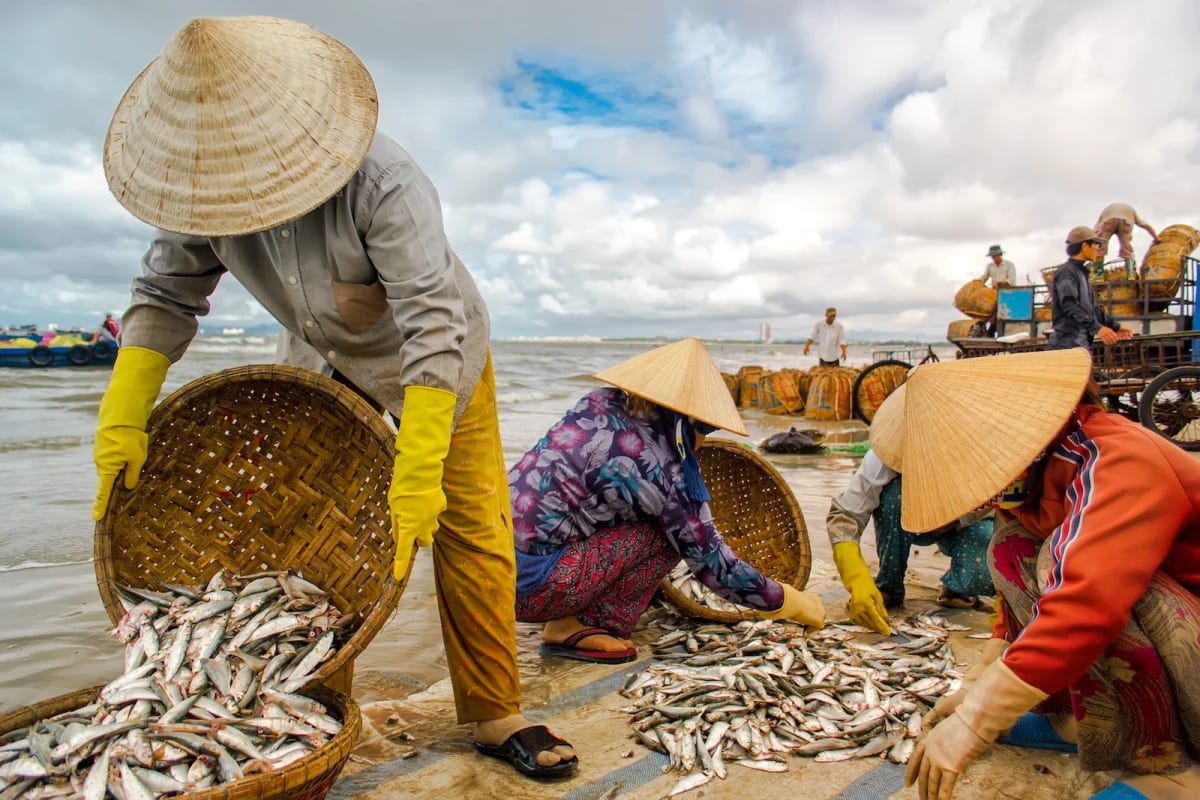
Four million Vietnamese workers already depend on fisheries and aquaculture for their livelihoods. Hundreds of coastal communities rely on healthy oceans for food security and jobs. The question isn't whether Vietnam needs its waters, but whether it can manage them wisely enough to sustain both people and planet.
The answer increasingly involves science diplomacy. At a Johns Hopkins University summit earlier this year, experts highlighted how scientific cooperation can address challenges no country can solve alone, from declining fish stocks to marine pollution.
Vietnam is already putting this into practice. In 2025, Chinese and Vietnamese scholars met to mark 25 years since the Gulf of Tonkin Delimitation Agreement. They proposed expanding cooperation on mangrove restoration, marine debris management, and joint research, proving that even nations with competing territorial claims can work together when environmental stakes are high enough.
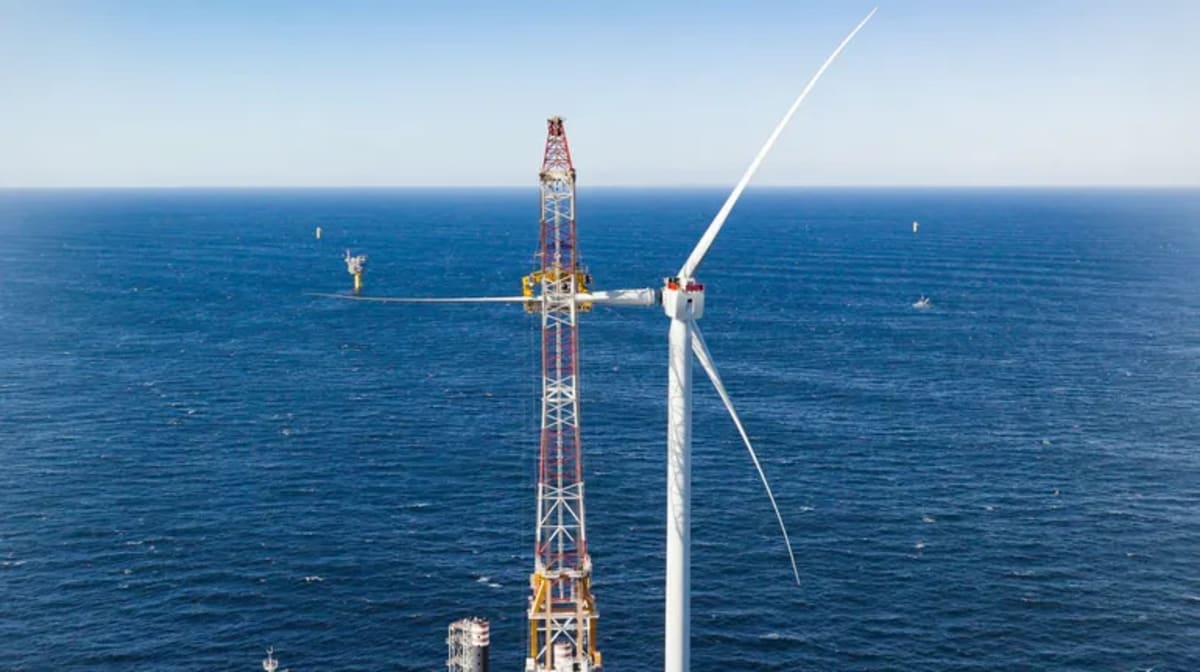
The approach encompasses everything from renewable ocean energy to marine biotechnology, shipping to tourism. It's not just an environmental agenda but an economic blueprint for a country determined to grow without destroying what makes that growth possible.
The Ripple Effect
Vietnam's blue economy vision could reshape how developing nations balance progress with sustainability. By treating oceans as economic assets worth protecting rather than resources to exploit, the country is modeling a path other coastal nations might follow.
The partnerships forming around science and conservation create networks that strengthen regional stability. When countries collaborate on shared environmental challenges, they build trust that extends beyond research labs into diplomatic channels.
Most importantly, success in Vietnam could demonstrate that economic growth and environmental protection aren't opposing forces. Communities watching saltwater creep into rice paddies understand this isn't abstract policy, it's survival, and their government is treating it that way.
For a nation that has already defied expectations by becoming a manufacturing powerhouse, turning blue could be the smartest bet yet.
More Images



Based on reporting by Google News - Vietnam Growth
This story was written by BrightWire based on verified news reports.
Spread the positivity!
Share this good news with someone who needs it