Vietnam Could Gain 26% GDP by Choosing Green Growth
Vietnam is testing a new economic model that protects nature while boosting prosperity. Early results show the green path could prevent a 26% GDP loss by 2030.
Vietnam is facing a critical choice that could reshape its economic future and save its natural treasures at the same time.
The country is currently using resources at more than twice the rate nature can replace them, according to researchers at Vietnam's Institute of Strategy and Policy for Agriculture and Environment. That's like spending $2 for every $1 you earn, and the bill is coming due.
But there's good news. Scientists have developed a powerful new tool that shows Vietnam exactly how to grow its economy without destroying the ecosystems that make that growth possible.
The Nature Transition Support Programme is helping Vietnam chart a different course. This global initiative, funded by the UK and supported by the UN, is working with five countries to prove that protecting nature and building wealth can happen together.
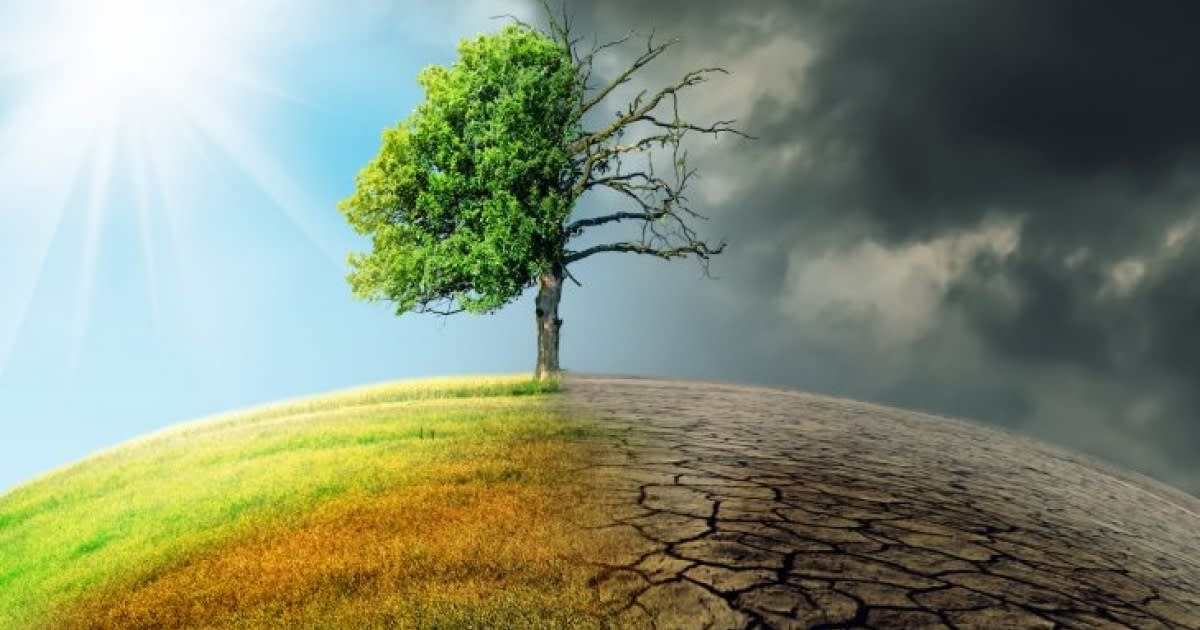
Researchers compared two paths Vietnam could take. The first continues current patterns, which would cost the country up to 26% of its potential GDP by 2030 as forests, fisheries, and farmlands deteriorate. The second path invests smartly in nature and delivers higher, longer lasting growth.
The difference comes down to a groundbreaking model called GTAP InVEST. It combines economic forecasting with detailed maps of ecosystem services like crop pollination, timber supply, and carbon storage. For the first time, policymakers can see exactly what they lose when they convert a wetland into a shopping mall.
Vietnam's economy has grown remarkably over three decades, jumping from $79 billion to $1.6 trillion. But climate change already costs the country 3.2% of GDP annually, and that number is rising.
The new model is already solving real problems. Local officials now have data to resist sacrificing ecological land for short term development gains. Coastal planners can balance offshore wind farms with traditional fishing grounds using high resolution spatial maps.
The Ripple Effect
Vietnam's success with this approach could transform how developing nations think about growth. Five percent of the country's economic value depends directly on healthy ecosystems, meaning millions of jobs and livelihoods are at stake.
The program brings together the UN Environment Programme, the UN Development Programme, and the University of Minnesota. Their combined expertise is helping Vietnam build policies that treat natural capital as seriously as financial capital.
Frida Diaz Almeyda from the UN explained that the economy's health depends entirely on the health of the natural world. Vietnam is proving that recognizing this connection early is far cheaper than ignoring it.
As Vietnam aims to become a high income country by 2045, it's showing the world that the greenest path might also be the most prosperous one.
More Images
Based on reporting by Regional: vietnam economic growth (VN)
This story was written by BrightWire based on verified news reports.
Spread the positivity!
Share this good news with someone who needs it