Vietnam Cuts Poverty From 58% to 3% in Three Decades
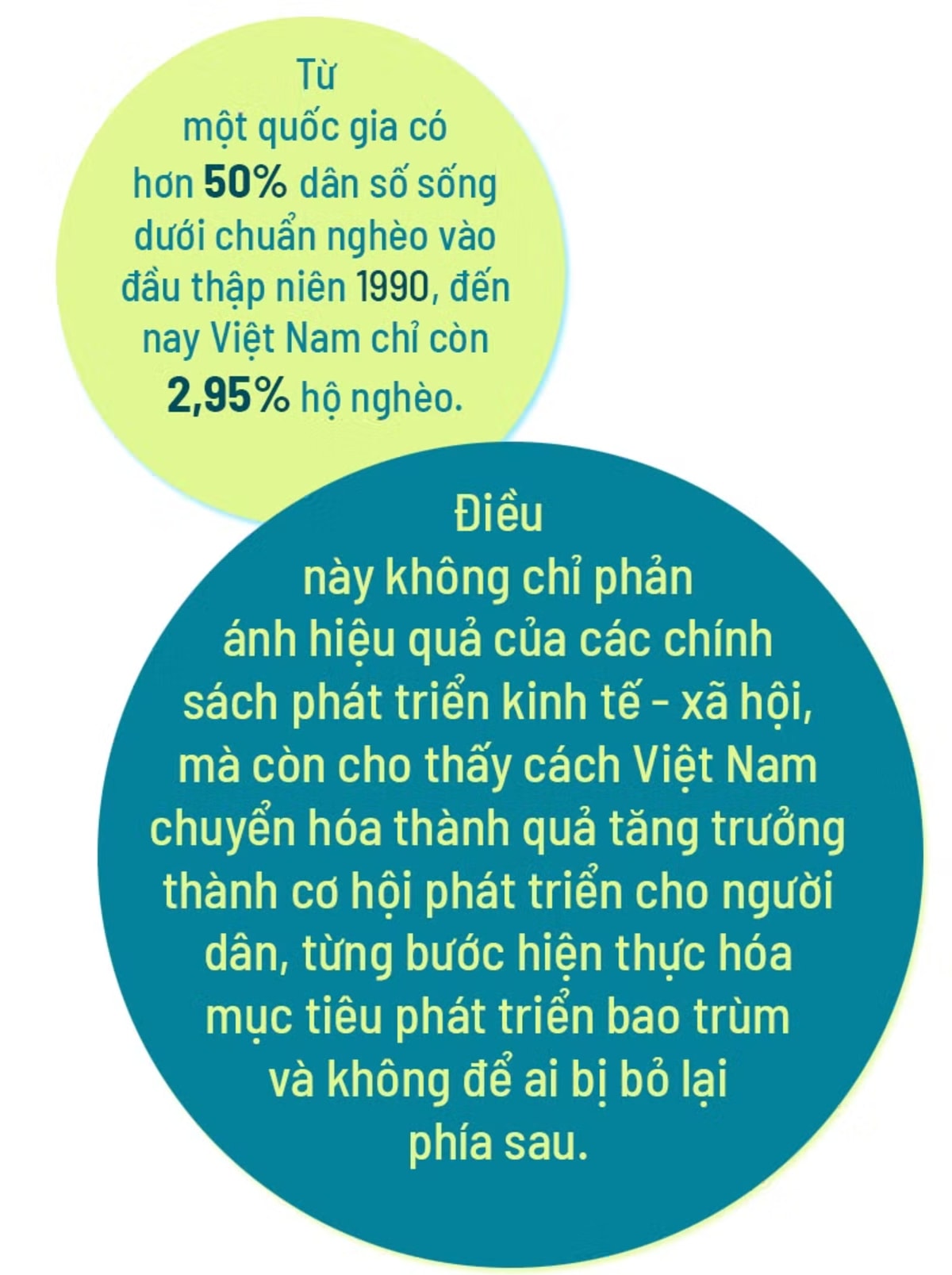
Vietnam has reduced its poverty rate from 58% in 1993 to just 2.95% today, lifting tens of millions of people into better lives. The country achieved this by shifting from simply measuring income to ensuring access to education, healthcare, and basic services for every citizen.
Vietnam just proved that ending poverty isn't just a dream. In three decades, the country has cut its poverty rate from 58% to under 3%, transforming the lives of millions.
The journey started with a painful truth. In 1993, more than half of Vietnam's population lived below the poverty line, surviving on just $185 per year. President Ho Chi Minh had declared in 1945 that if people went hungry, the government had failed, setting a standard that would guide the nation for generations.
Vietnam's breakthrough came from thinking bigger than money alone. In the early years, Program 135 focused on building roads, schools, and basic infrastructure in remote mountain villages. By 1998, poverty had dropped to 37%.
The real shift happened in 2011 when Vietnam stopped asking "Do people earn enough?" and started asking "Do people have what they need to thrive?" The government became the first in Asia to adopt a Multidimensional Poverty Index, measuring not just income but access to education, healthcare, clean water, housing, and information.
This wasn't about lowering standards to claim victory. In 2021, Vietnam actually raised its poverty line, which temporarily increased the official poverty rate to 7.52%. The government chose honesty over good headlines, ensuring support reached everyone who truly needed it.
The results speak for themselves. From that higher baseline, poverty fell to 5.71% in 2023, then 4.06% in 2024, and 2.95% in 2025. Poor households saw their average income more than double between 2015 and 2020.
Vietnam completed the UN's Millennium Development Goals on poverty seven years ahead of schedule. Remote villages that once lacked roads now have schools, clinics, and clean water systems.
The Ripple Effect
Vietnam's success shows other developing nations a proven path forward. By measuring poverty through multiple dimensions rather than income alone, governments can identify exactly what communities need most, whether that's better schools, healthcare access, or job training programs.
The approach has created lasting change because it addresses root causes. A family might escape income poverty temporarily, but without access to education for their children or healthcare when someone gets sick, they can quickly fall back. Vietnam's comprehensive support system catches people before they fall.
Other countries are taking notice. Vietnam's model demonstrates that with consistent effort and a people-first approach, even countries with limited resources can achieve remarkable progress within a generation.
When nations commit to leaving no one behind, tens of millions of people get the chance to build better futures.
More Images



Based on reporting by Google: poverty reduction program
This story was written by BrightWire based on verified news reports.
Spread the positivity!
Share this good news with someone who needs it