Vietnam Industries Lead National Shift to Circular Economy
Vietnam is transforming its industrial sector with a bold circular economy model that recycles, reuses, and eliminates waste. This nationwide shift positions the country to hit its net-zero emissions goal by 2050 while boosting competitiveness in global green markets.
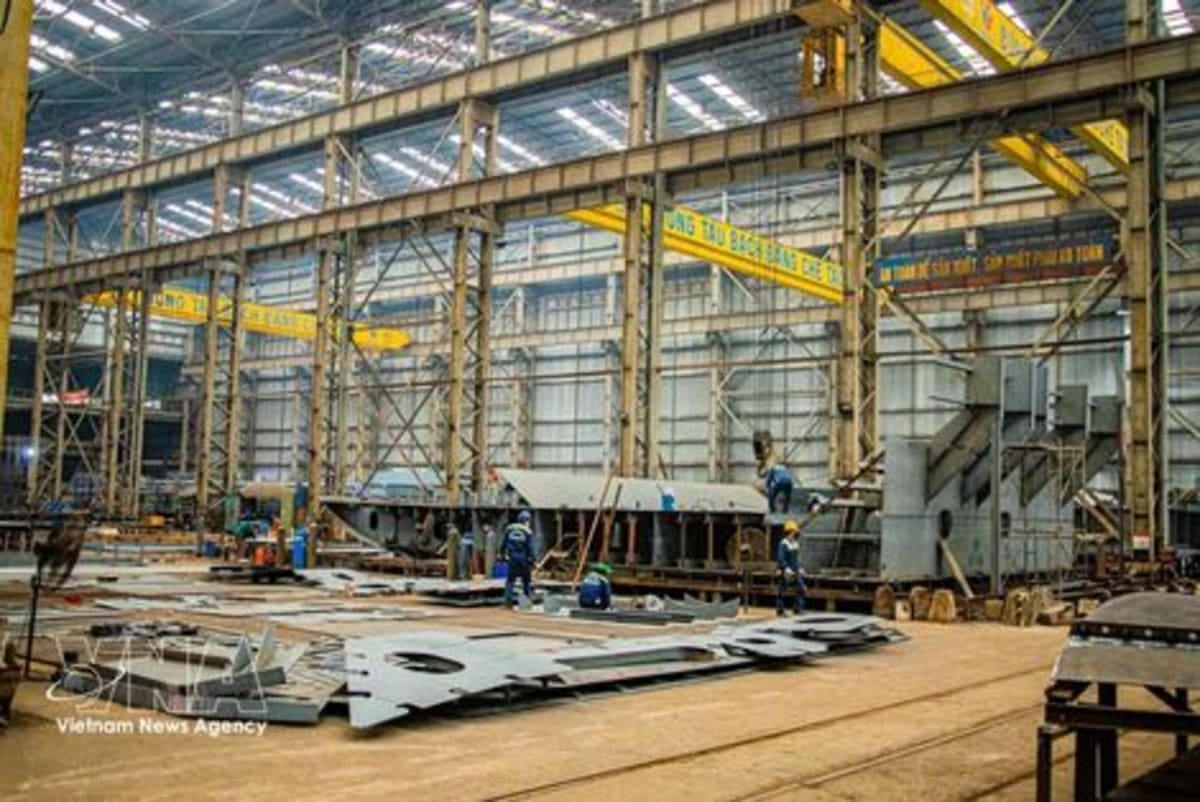
Vietnam's factories and manufacturers are leading a national revolution in how the country produces, consumes, and handles waste, turning the traditional "make, use, throw away" model on its head.
The Southeast Asian nation is building what experts call a closed-loop circular economy, where materials cycle continuously through production systems instead of ending up in landfills. With global resources running thin and climate pressures mounting, Vietnam has made this transition a cornerstone of its path to net-zero emissions by 2050.
The shift isn't just policy talk. Since the early 2020s, Vietnam has embedded circular principles into law, starting with the 2020 Environmental Protection Law that fundamentally changed how the government approaches industrial development.
Chu Viet Cuong, who directs the Industrial Development Support Centre under Vietnam's Ministry of Industry and Trade, explains that the country has moved from simply controlling pollution to managing products through their entire lifecycle. That means thinking about environmental impact from the moment raw materials are extracted until products are recycled or composted.
Companies are already responding with innovative models. Vietnamese conglomerates like Vingroup have partnered with firms like Gamuda and DoGreen to pioneer waste-to-energy systems that convert trash into power while achieving negative carbon emissions in some operations.
The challenge now is scaling these successes across entire supply chains. Most companies still focus green efforts within their own walls rather than building fully integrated circular systems with suppliers and customers.
The Ripple Effect
Vietnam's circular economy push is creating waves beyond factory floors. The country is positioning itself to join global green supply chains, opening doors to partnerships with international brands that demand sustainable production.
The 2025-2030 period represents a crucial window for Vietnamese manufacturers to leap from linear to circular models. Success here means access to premium markets, new investment in recycling infrastructure, and development of advanced materials that replace conventional polluting alternatives.
Experts like Bui Quang Tuan from the Vietnam Economic Science Association recommend Vietnam blend approaches from the EU's regulatory framework, China's state-driven model, and the innovation-led transitions of companies like Apple and IKEA. The government is now focusing on three strategic pillars: stronger institutions, better technology access, and financial mechanisms that make green investments viable for small and medium enterprises.
The biggest obstacles remain practical. Companies face steep upfront costs, worker training needs, and uncertainty about which technologies and partners to trust. But with the government committing to supportive policies and international cooperation on technology transfer, Vietnam's industrial transformation is gaining unstoppable momentum.
This nationwide embrace of circular principles shows how developing economies can turn environmental necessity into economic opportunity, building cleaner industries while securing a competitive edge in tomorrow's green economy.
Based on reporting by Google News - Vietnam Growth
This story was written by BrightWire based on verified news reports.
Spread the positivity!
Share this good news with someone who needs it