Vietnam Launches Drone Economy to Unlock $10B by 2035
Vietnam is pioneering a "low-altitude economy" using drones and small aircraft to transform everything from farming to emergency healthcare. The country aims to build a $10 billion industry by 2035 while achieving technological independence in drone manufacturing.
Vietnam is betting big on the sky beneath the clouds, turning the airspace below 1,000 meters into its next economic frontier.
The country has officially prioritized unmanned aerial vehicles (UAVs) as one of six strategic tech products in its national development plan. This isn't just about flying gadgets. Vietnam is building an entire ecosystem of drones, small aircraft, helicopters, and the control systems needed to manage them safely.
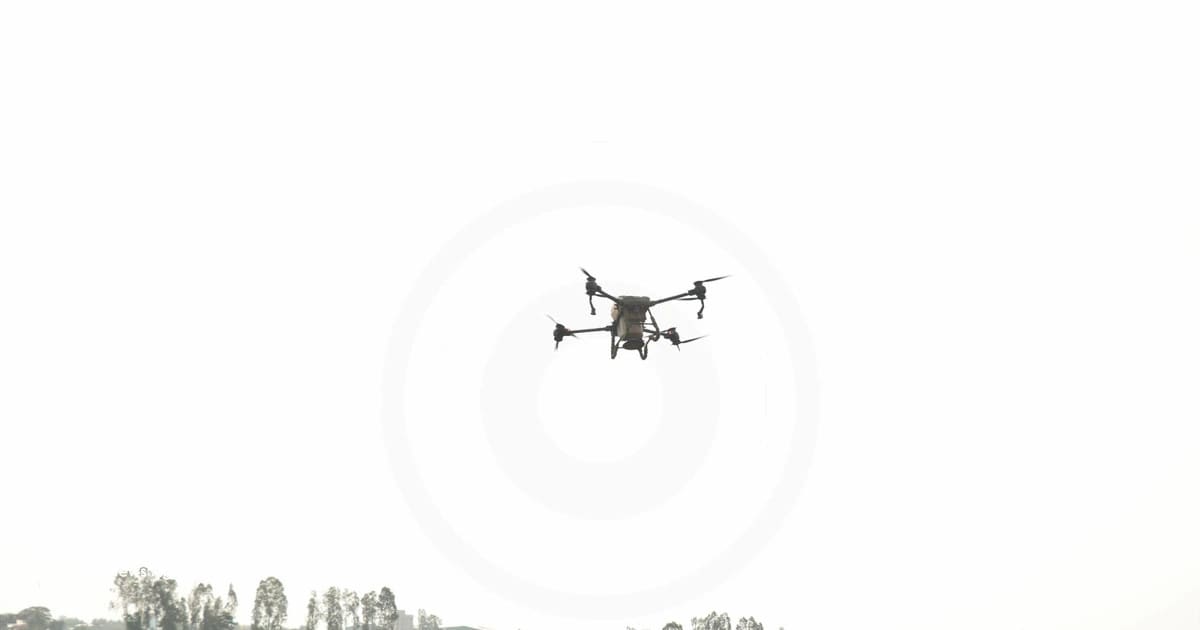
The applications are already making a difference across the country. Drones are delivering medical supplies to remote villages, monitoring crops in real time, surveying difficult terrain, and responding to emergencies faster than ground vehicles ever could. In densely packed cities and isolated mountain regions where roads can't reach, aerial technology is bridging gaps that have existed for generations.
Dien Bien, a mountainous northern province, became the first testing ground for this ambitious vision. The government chose its fragmented geography deliberately to prove the technology works where it's needed most. Success here will create a blueprint for other provinces facing similar challenges.
Vietnam isn't settling for being just a buyer of foreign drones. The country aims to master core technologies like flight controllers, edge AI chips, data transmission systems, and operational software. Domestic enterprises have already started designing, testing, and producing their own UAVs.
The government submitted a comprehensive national strategy to the Politburo that runs through 2030, with goals extending to 2045. Three national UAV testing zones are planned for major industrial, agricultural, and urban areas. A national certification center will ensure Vietnamese-made drones meet international standards.
The Ripple Effect
This technology shift promises to reshape entire industries. Smart agriculture will let farmers monitor thousands of acres instantly, spotting problems before they spread. Logistics companies can bypass traffic jams entirely, delivering urgent packages in minutes instead of hours. City planners will collect real-time data to improve infrastructure and respond to problems faster.
The economic potential is massive. Experts project Vietnam's low-altitude economy could reach $10 billion by 2035, creating thousands of high-tech jobs and launching entirely new service industries. The government is even developing "sandbox" environments where companies can safely test flying taxis and aerial delivery services.
Deputy Minister of Science and Technology Bui Hoang Phuong emphasized the focus on practical, large-scale applications linked to real challenges. The approach aligns with Vietnam's strategy of controlled risk-taking through pilot programs that generate valuable data for future regulations.
The country is building comprehensive safety frameworks, including national standards for operations, low-altitude airspace management, data security, and remote drone identification. These regulations will protect both innovation and public safety as the industry expands.
Vietnam is proving that emerging economies can leapfrog traditional infrastructure limitations by looking up instead of just building out.
Based on reporting by Google News - Vietnam Growth
This story was written by BrightWire based on verified news reports.
Spread the positivity!
Share this good news with someone who needs it