Vietnam Park Turns Wildlife Rescue into Conservation Tourism
Cuc Phuong National Park in Vietnam is releasing 60 rescued deer back into the wild while inviting visitors to experience the conservation process firsthand. The innovative approach transforms wildlife recovery into educational tourism that funds habitat protection.
Sixty deer are getting a second chance at wild life in Vietnam, and tourists are helping make it happen.
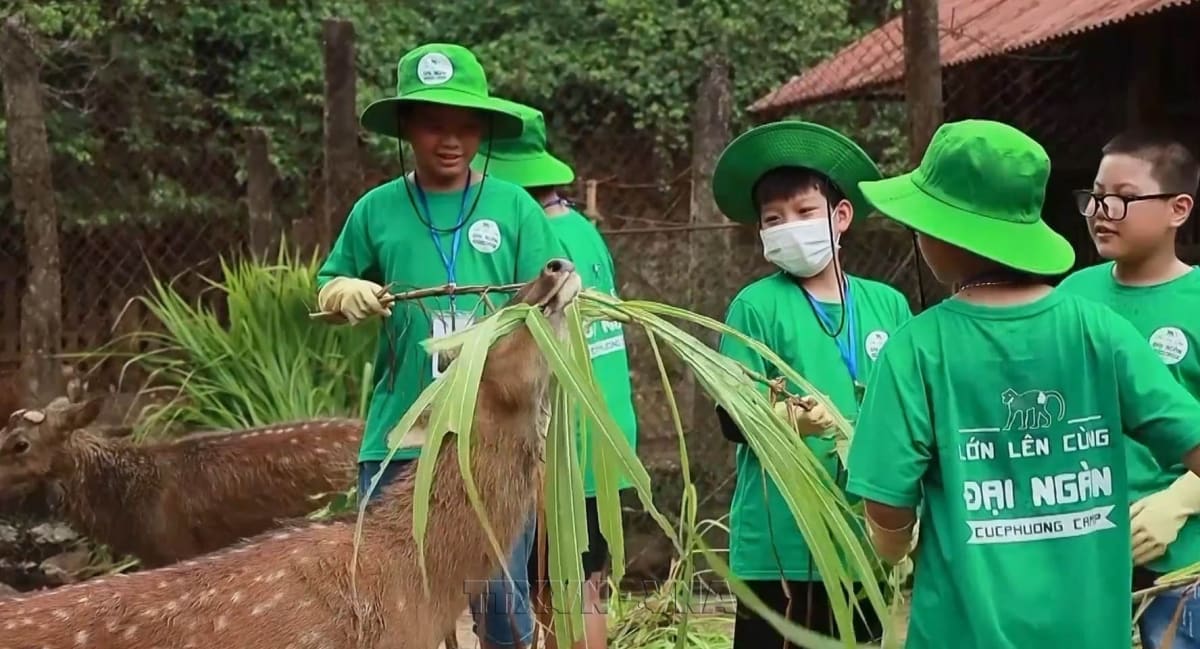
Cuc Phuong National Park launched a groundbreaking wildlife rewilding program that releases rescued animals back into their natural habitat while creating unique tourism experiences. Working with Save Vietnam's Wildlife, the park is using this first wave of deer releases to restore broken links in the forest ecosystem.
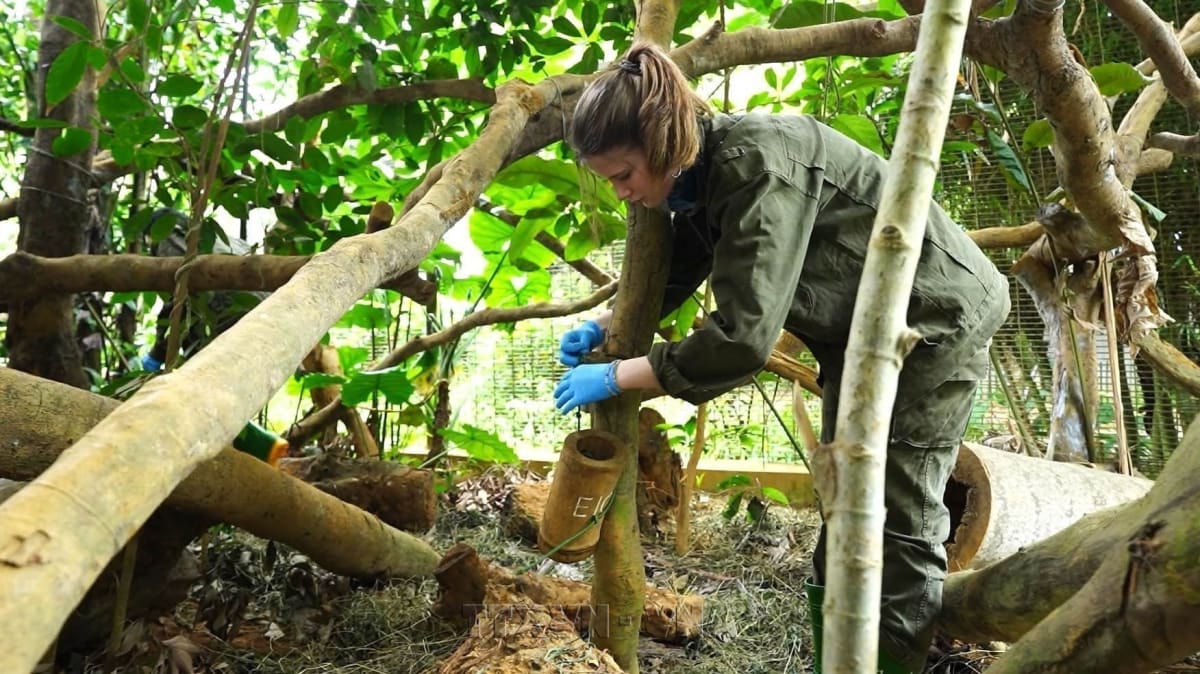
The process is carefully designed to give animals the best shot at survival. Each deer spends 30 to 40 days in a special 2,000 square meter enclosure learning essential skills like finding food and water without human help. When they're ready, the gates open and the animals venture deeper into protected forest.
Rangers track the released animals using advanced monitoring technology to ensure they're thriving. The park follows a "let nature lead with human support" philosophy that aims to become a national model for ecological restoration across Vietnam.
Here's where it gets innovative: the park transformed this conservation work into visitor experiences that people actually want.
Popular tours now include the "Journey of Revival" where guests learn about the rewilding process, night wildlife viewing expeditions, and seasonal butterfly and firefly photography trips. Do Hong Hai, Deputy Director of the park's Environmental Education Center, emphasized that all tours follow strict rules to protect endangered species.
Visitor numbers are carefully controlled with scheduled time slots. High-emission vehicles can't enter sensitive areas. Guests on nighttime wildlife tours must remain completely silent and avoid using lights that could disturb natural animal behavior.
The Ripple Effect
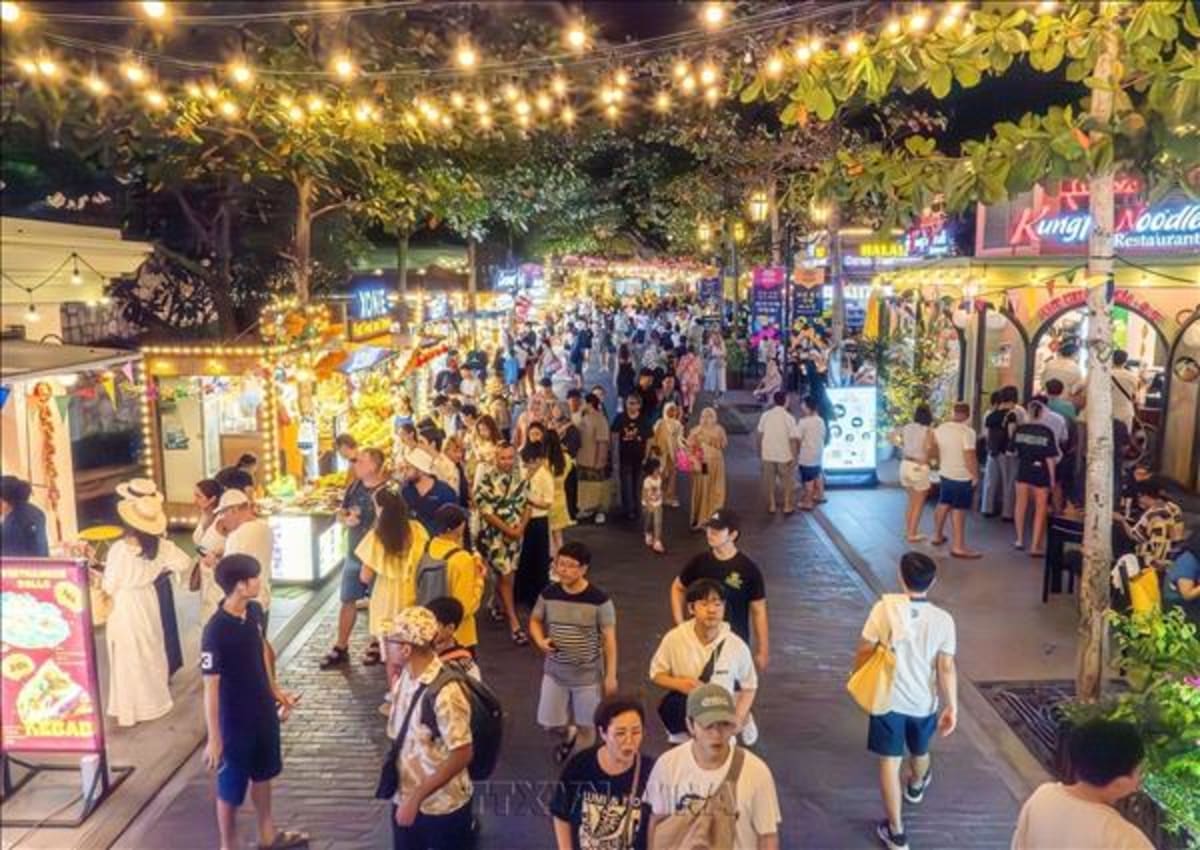
The shift from mass tourism to conservation-focused experiences is gaining serious momentum in Vietnam. Provincial tourism officials note that urban residents increasingly seek meaningful nature experiences that combine learning, exploration, and healing.
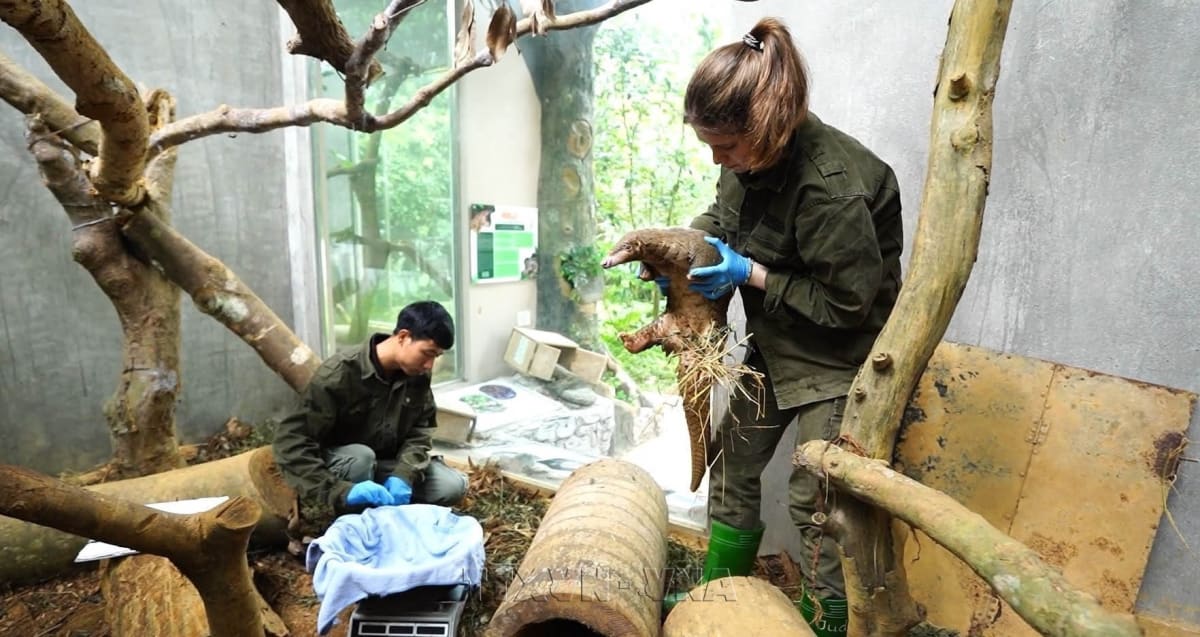
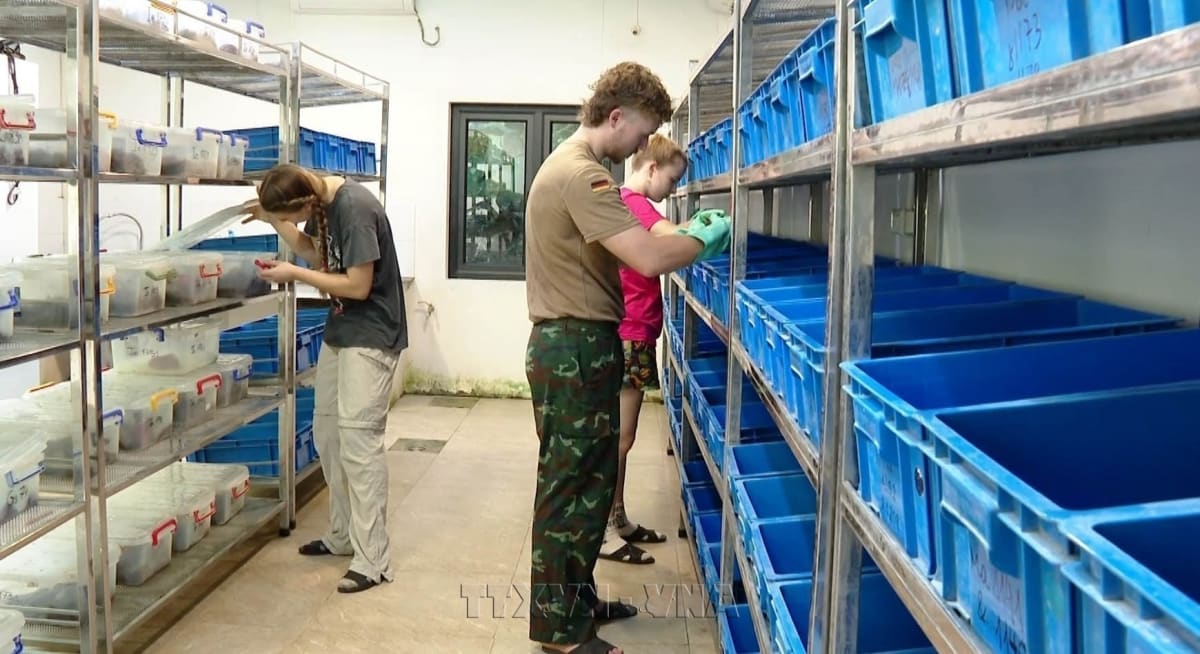
By creating immersive educational products, the park effectively turns every visitor into a biodiversity ambassador. Tourists leave understanding why pangolins, primates, and freshwater turtles need protection and how they can support conservation efforts.
The model proves that protecting wildlife and generating income for local communities aren't competing goals. When done thoughtfully, they reinforce each other, creating sustainable funding for habitat protection while giving people hope that damaged ecosystems can heal.
Vietnam's forests are learning to breathe again, one released animal at a time.
More Images
Based on reporting by Google News - Wildlife Recovery
This story was written by BrightWire based on verified news reports.
Spread the positivity!
Share this good news with someone who needs it