Vietnam Shifts Tourism to Sustainability and Quality
Vietnam is transforming its tourism industry by prioritizing sustainable practices over visitor numbers, joining global leaders like New Zealand and Costa Rica. Hotels are cutting carbon emissions by a third while communities benefit directly from eco-friendly travel.
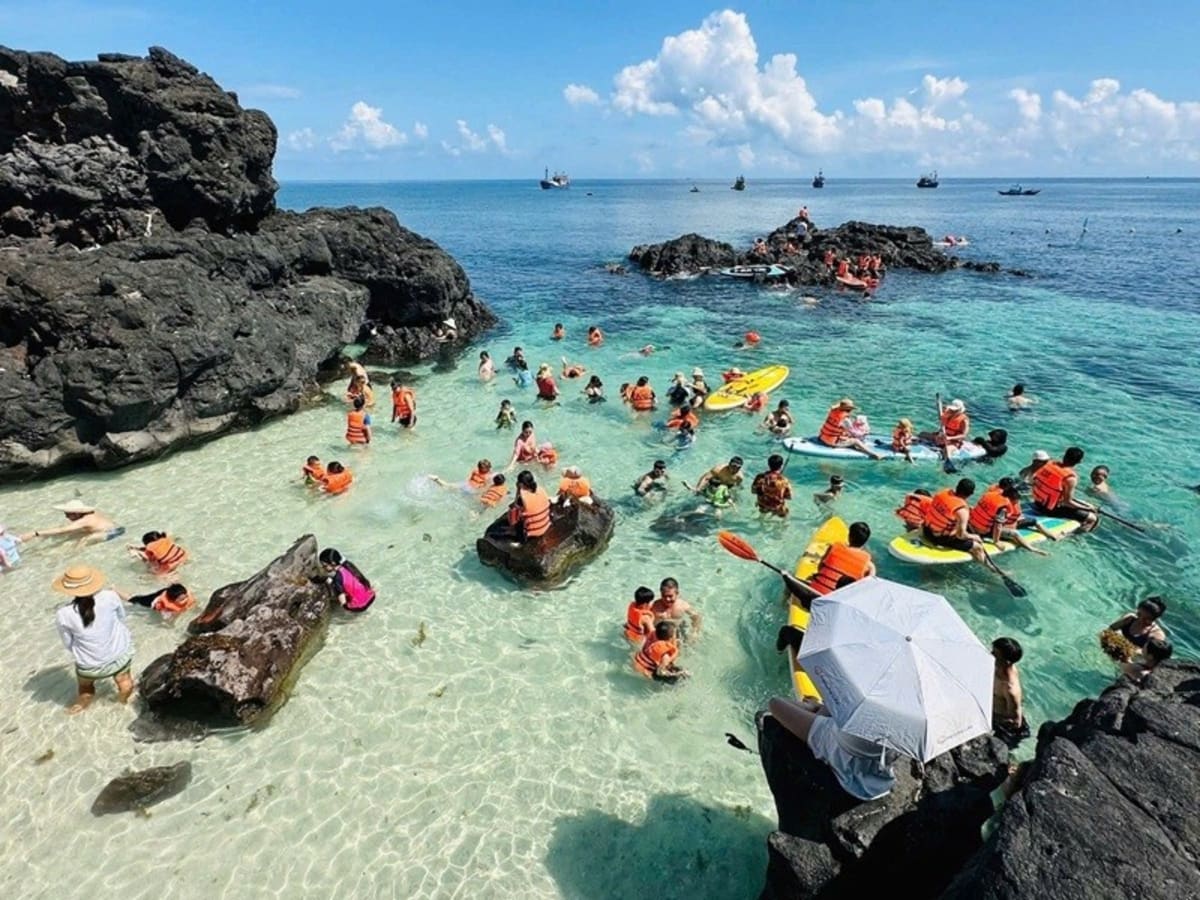
Vietnam is rewriting the rules of tourism, choosing environmental protection and quality experiences over packed beaches and crowded attractions.
In April 2026, the country took a major step forward when Travelife, an international certification program for sustainable tourism, partnered with Vietnamese consulting firm Green Transition. The partnership gives Vietnamese tour operators access to more than 200 criteria measuring environmental, social, and governance performance.
Hotels are already seeing results. Courtyard by Marriott Danang Han River achieved EDGE Certification by using low-carbon building materials and water-saving systems. The hotel now saves 34 percent on energy, 33 percent on water, and prevents 329 tonnes of CO2 emissions annually.
The hotel recently installed water purification systems in all rooms, eliminating bottled water entirely. Guests get safe drinking water while the hotel slashes plastic and glass waste.
Local communities are winning too. In destinations like Sapa and Phong Nha, residents run tourism experiences themselves, earning income while sharing authentic cultural traditions. Farm-to-table programs keep logistics within 20 kilometers, supporting local farmers and cutting carbon footprints.
Even UNESCO World Heritage Site Halong Bay is doubling down on ecosystem protection. The government's Tourism Master Plan through 2030 targets fully plastic-free zones, electric vehicle areas, and protected biodiversity parks.
The Ripple Effect
This shift affects how people travel. More than 80 percent of Vietnamese travelers now consider sustainability when booking trips, according to Agoda's 2026 survey. International visitors are noticing too, choosing Vietnam specifically for its commitment to responsible tourism.
Bao Nguyen, country manager of Travelife in Vietnam, explains the strategy: "Vietnam is moving away from chasing raw arrival numbers towards attracting high-value travelers." That means less strain on natural resources and more economic benefit per visitor.
Tour operators are implementing closed-loop waste systems where organic food scraps become garden compost. Larger resorts are building nature-based water management systems that collect stormwater and protect local biodiversity.
Vietnam now stands alongside Denmark, Thailand, and South Korea as countries making sustainability central to tourism growth. The approach proves that protecting the environment and building a thriving tourism economy aren't competing goals.
Tourism can heal the planet while lifting communities up.
More Images




Based on reporting by Google News - Vietnam Growth
This story was written by BrightWire based on verified news reports.
Spread the positivity!
Share this good news with someone who needs it