Vietnam Targets 1.5% Annual Poverty Cut Through 2030
Vietnam has completed 6 out of 9 poverty reduction targets and now aims to lift 1 to 1.5 percent of its population out of poverty annually through 2030 using a new digital-focused approach. The country is investing $16 billion in sustainable infrastructure, jobs, and digital inclusion to help its poorest communities thrive.
Vietnam just proved that smart, sustainable poverty reduction works at scale.
The Southeast Asian nation announced it has completed six of nine major poverty reduction targets set for 2020-2025, including two critical goals around income growth and lifting people out of poverty. Now it's doubling down with an even more ambitious plan for the next five years.
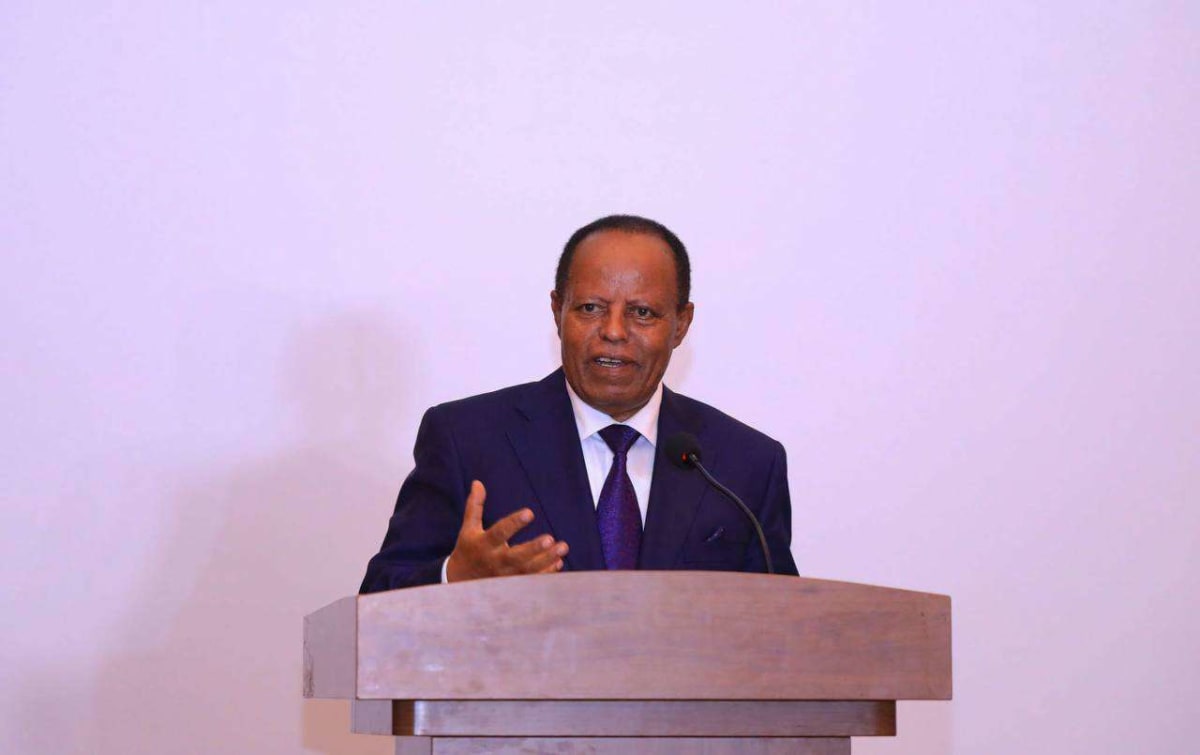
Minister of Ethnic and Religious Affairs Dao Ngoc Dung shared the milestone at a national conference reviewing poverty reduction efforts. The success is particularly striking in rural areas, where 35.8 percent of communes in ethnic minority and mountainous regions escaped extremely difficult living conditions.
Starting in 2027, Vietnam will measure poverty differently. Instead of just looking at income, officials will track whether families can access digital services, use the internet, and manage household waste properly.
A poor rural household will now be defined as one earning less than $86 per person per month with deficiencies in at least three key life areas. Urban households face a slightly higher threshold of $110 monthly.
"Adjusting social service criteria to identify poverty is essential as the country transitions toward rapid, green, and sustainable development," explained Pham Hong Dao, deputy head of the National Office for Poverty Reduction. The old measure of whether families owned basic information devices has been removed, reflecting how quickly technology has spread even to remote areas.
The government is backing this vision with serious money. The central budget will allocate $4 billion between 2026 and 2030, while local governments will match that with $12 billion in reciprocal funding.
Those funds will target three areas: building climate-resilient infrastructure, creating sustainable jobs and livelihood support, and improving how local governments serve people through digital transformation.
The Ripple Effect
Vietnam's evolution shows what happens when poverty reduction adapts to modern realities. From 1993 to 2015, the country measured poverty only by income. Then it added social services like education and healthcare access.
Now it's embracing the digital age, recognizing that internet access and digital literacy aren't luxuries but necessities for economic mobility. Twelve localities have already created special poverty reduction policies for households without working adults, ensuring the most vulnerable aren't left behind.
This approach could become a model for other developing nations struggling to balance rapid modernization with inclusive growth. By focusing on climate adaptation, digital inclusion, and sustainable jobs rather than quick fixes, Vietnam is building poverty solutions designed to last.
The country that once struggled with widespread poverty is now engineering its escape route, one connected household at a time.
Based on reporting by Google News - Poverty Reduction
This story was written by BrightWire based on verified news reports.
Spread the positivity!
Share this good news with someone who needs it