Vietnam Targets 2M Businesses, 12% Growth by 2030
Vietnam is launching an ambitious economic transformation aimed at doubling its number of enterprises to 2 million and achieving double-digit private sector growth by 2030. The Southeast Asian nation is betting big on innovation, international partnerships, and a thriving startup ecosystem to fuel its next chapter.
Vietnam is entering what researchers call its "take-off" stage, with bold plans to transform its economy through private sector power and technological innovation.
The country has set ambitious targets for 2030: 2 million active businesses (up from current levels), at least 20 major firms competing in global value chains, and private sector growth hitting 10 to 12 percent annually. If achieved, the private sector would contribute up to 58 percent of Vietnam's GDP.
Argentine researcher Gastón Fiorda says Vietnam's transformation rests on four strategic pillars: strengthening rule-of-law institutions, driving science and technology innovation, deepening international partnerships, and advancing private enterprise development. These aren't just policy papers, they're backed by concrete government action.
The startup scene shows the strategy is already working. Vietnam's ecosystem now includes roughly 4,000 startups, 208 investment funds, 84 incubators, and more than 20 support centers. The combined valuation has reached an estimated 75 billion dollars, establishing the foundations needed for long-term growth.
The government is clearing bureaucratic roadblocks too. In April 2026, officials issued 11 resolutions cutting, decentralizing, and simplifying administrative procedures and business conditions. The goal is removing friction that slows down entrepreneurs and investors.
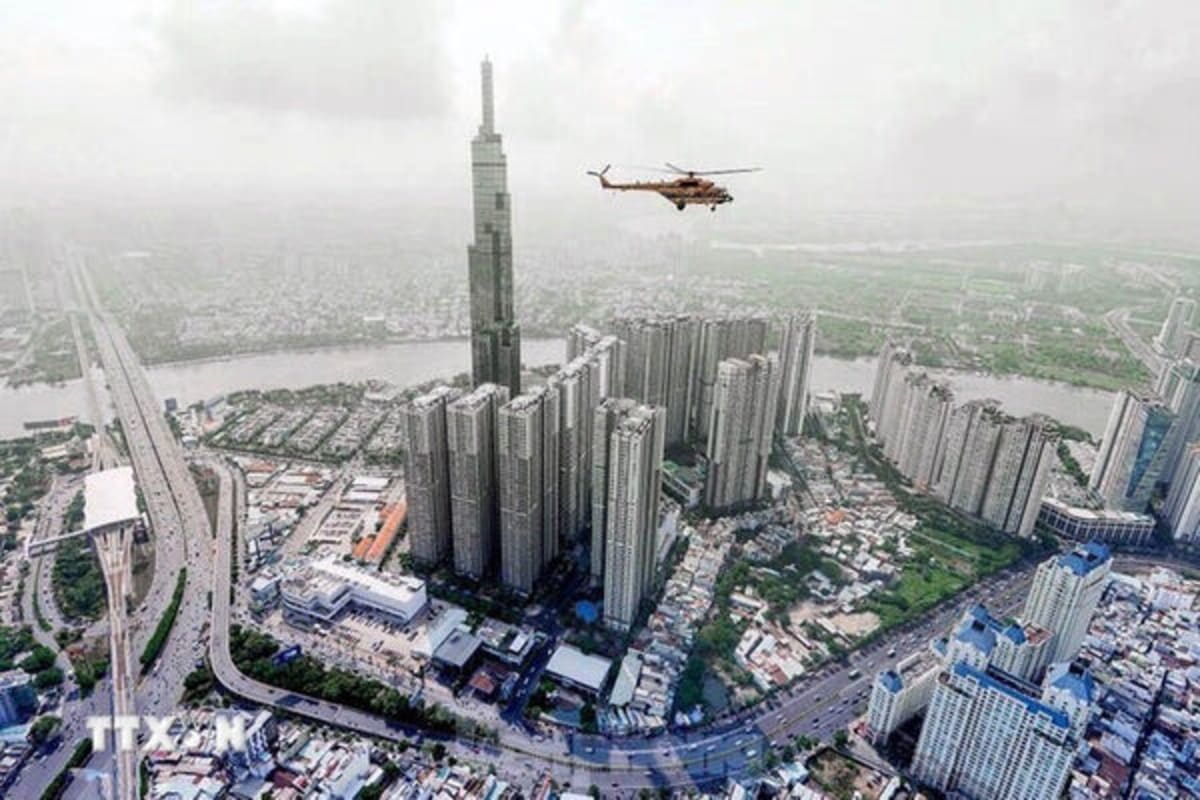
Ho Chi Minh City is getting special attention with plans for a Special Urban Law designed to create breakthrough institutional frameworks. Meanwhile, Vietnam is pushing for 95 percent of adults to have bank accounts by 2030, with cashless payment values reaching 30 times GDP.
Prime Minister representatives emphasized that protecting worker rights isn't just social policy, it's economic strategy. Higher productivity and business efficiency depend on a workforce that feels valued and secure.
The Ripple Effect
Vietnam's transformation extends beyond economics. Party General Secretary To Lam stressed that environmental protection and climate adaptation are central to the new development model, calling environmental investment essential for sustainable growth, public health, and competitiveness.
The country is also strengthening regional ties through ASEAN, with the ASEAN Future Forum 2026 highlighting themes of peace, prosperity, and people-centered development. Canadian Ambassador Jim Nickel noted that ASEAN's potential reaches beyond the region to contribute to global peace.
From robotics showcases in Austria to senior citizen flight discounts from Vietnam Airlines, the changes touch everyday life while building toward something bigger.
Vietnam's message is clear: sustainable growth comes from empowering businesses, protecting workers and the environment, and betting on innovation that serves people first.
More Images

Based on reporting by Regional: vietnam economic growth (VN)
This story was written by BrightWire based on verified news reports.
Spread the positivity!
Share this good news with someone who needs it