Vietnam Targets Net-Zero by 2050 With Green Energy Push
Vietnam is betting big on renewable energy to fuel double-digit economic growth while cutting emissions to zero by 2050. The Southeast Asian nation just launched a major forum to map out how businesses and government can work together to make it happen.
One of Asia's fastest-growing economies just doubled down on a bold promise: powering its future growth without wrecking the planet.
Vietnam unveiled its roadmap to net-zero emissions at the World Energy and Environment Forum in Hanoi this July. The country aims to maintain double-digit GDP growth through 2030 while completely eliminating carbon emissions by 2050, a commitment it made at the 2021 COP26 climate summit.
The challenge is real. Vietnam ranks among Southeast Asia's economies most vulnerable to climate change, facing rising seas and extreme weather that threaten its coastal cities and agricultural heartland.
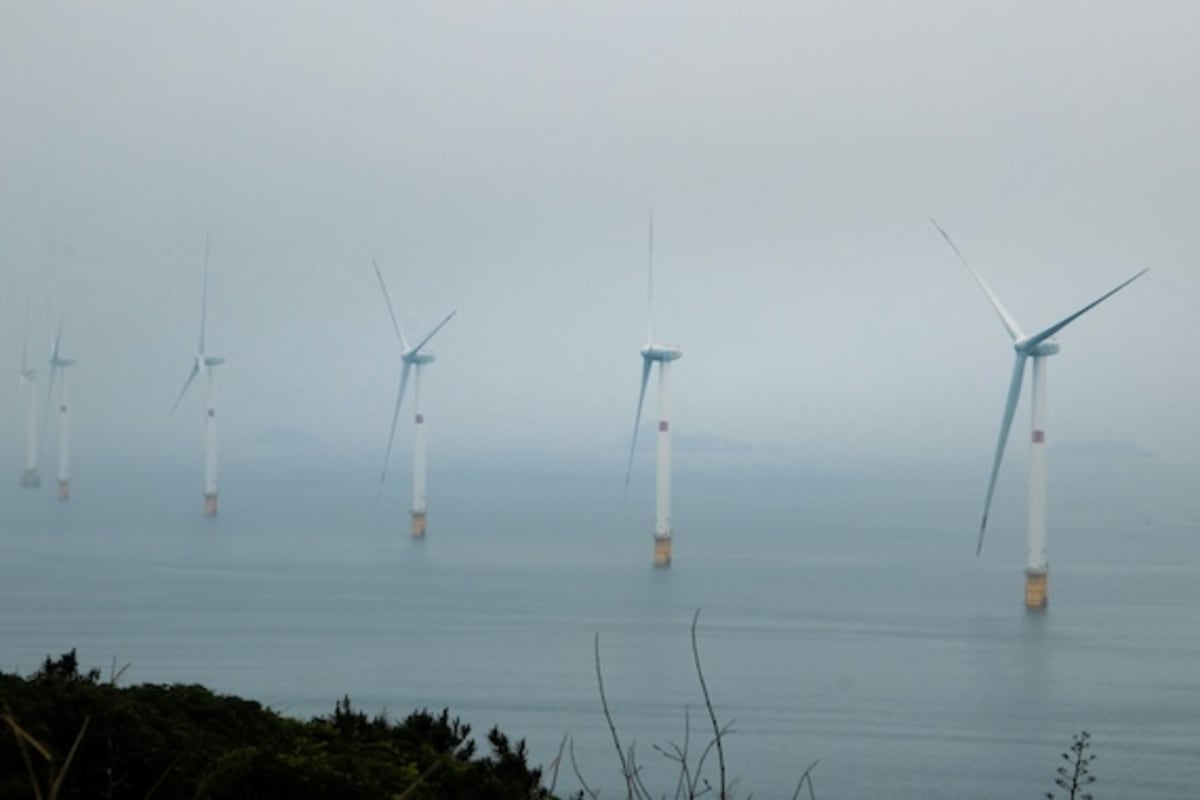
But officials see opportunity in the crisis. By 2030, renewable energy will supply up to 30 percent of the country's primary energy needs, up from current levels heavily dependent on coal and fossil fuels.
"Countries that grasp the green transition trend will have more opportunities to enhance their competitiveness and attract high-quality investment," said Le Cong Thanh, Deputy Minister of Agriculture and Environment at the forum.
The government is backing up talk with action. Officials are building a transparent greenhouse gas tracking system that meets international standards and creating Vietnam's first domestic carbon market to put a price on pollution.
Private companies will play a central role. The Ministry of Agriculture and Environment pledged to cut red tape, share data more openly, and create better conditions for green investment and clean technology adoption.
National programs are accelerating forest restoration and wetland protection to maximize nature's carbon absorption while turning ecological resources into economic assets. Digital transformation and green finance have become top national priorities alongside traditional infrastructure.
The Ripple Effect
Vietnam's green pivot could reshape Southeast Asia's energy landscape. As one of the region's manufacturing hubs, its shift to clean energy may encourage suppliers and trading partners across Asia to follow suit.
The country's success could prove that developing nations don't have to choose between economic growth and environmental protection. If Vietnam hits its targets while maintaining rapid development, it offers a template for other emerging economies facing the same dilemma.
International partners are watching closely and offering support. The forum brought together government officials, business leaders, and climate experts to share strategies and coordinate action across sectors.
With strong political will, growing business engagement, and international backing, Vietnam has positioned itself to turn climate action into competitive advantage. The next five years will show whether ambition can become reality.
More Images



Based on reporting by Google News - Vietnam Growth
This story was written by BrightWire based on verified news reports.
Spread the positivity!
Share this good news with someone who needs it