Vietnam Transforms Đồ Sơn Into Sustainable Tourism Hub
Vietnam is reshaping its coastal city of Đồ Sơn from a simple beach town into a modern tourism destination that honors heritage while embracing sustainable growth. With major infrastructure projects and a focus on preserving natural beauty, the transformation shows how development and conservation can work together.
A quiet beach town in northern Vietnam is getting a thoughtful makeover that proves progress doesn't have to erase the past.
Đồ Sơn, a coastal area in Hải Phòng, is becoming a model for sustainable tourism development. Local authorities are modernizing the region while protecting the 13 heritage sites, nine-mountain chain, and 20 kilometers of coastline that make it special.
The transformation isn't about building bigger hotels or flashier attractions. Instead, planners are creating a space where tourism, culture, and nature support each other rather than compete.
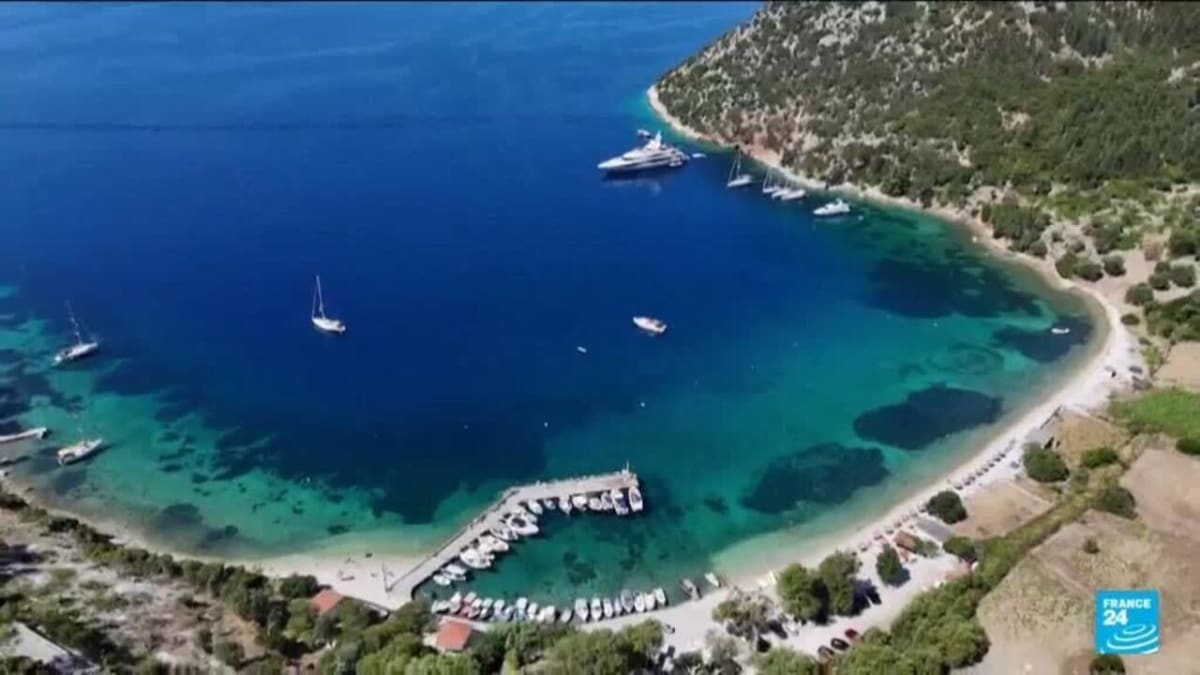
The area's natural advantages already made it a weekend favorite for Vietnamese families. Calm waters meet sandy beaches, while mountains covered in forests slope down to the sea. Hòn Đấu Island and the ancient Tường Long Tower complex add layers of ecological and spiritual significance.
Now, major infrastructure projects are connecting Đồ Sơn to a broader regional network. A new international railway linking China, Lào Cai, Hà Nội, and Hải Phòng will bring more visitors without overwhelming local resources. Upgrades to Cát Bi International Airport are improving access while planners work on the Nam Đồ Sơn International Gateway Port.
The most innovative piece is the Vietnam maritime tourism corridor. This project links Đồ Sơn with nearby coastal gems like Cát Bà and Hạ Long, creating continuous travel routes that encourage longer, more meaningful visits instead of rushed day trips.
Local officials are tackling real challenges head-on. They're improving hospitality standards, diversifying experiences beyond seasonal beach trips, and strengthening conservation efforts for cultural sites. A new free trade zone is expected to create jobs while supporting tourism services.
The Ripple Effect: This careful approach to coastal development offers a blueprint for other regions facing similar pressures. By converting 290 hectares of coastal water into mixed-use development space, authorities are showing that economic growth can happen without sacrificing what makes a place worth visiting in the first place.
Vietnam's coastal tourism industry continues expanding, but Đồ Sơn stands out for choosing integration over exploitation. The vision brings together tourism, urban living, logistics, and environmental protection as partners rather than competitors.
One beach town is proving that the future of travel can honor the past while building something better.
Based on reporting by Google News - Vietnam Growth
This story was written by BrightWire based on verified news reports.
Spread the positivity!
Share this good news with someone who needs it