Vietnamese Gen Z Reclaims Fashion From Survival to Pride
Young Vietnamese Australians are transforming their mothers' exploitative garment work into a celebration of heritage. Fashion boutiques now honor the legacy of 329,000 outworkers who kept families afloat in the 1990s.
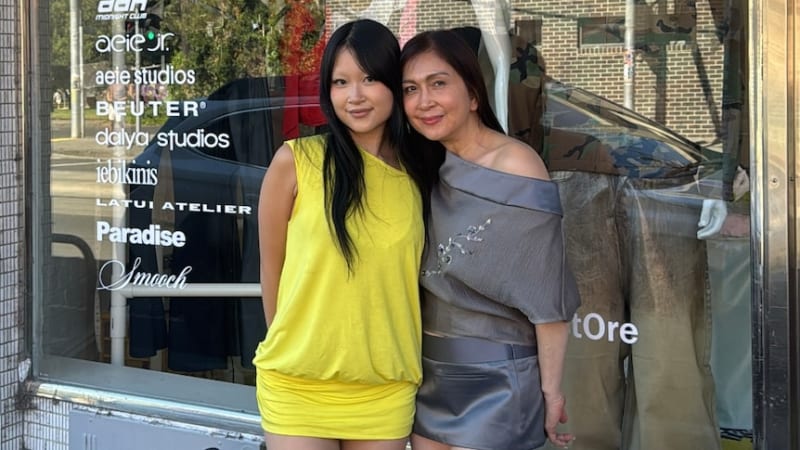
Jennifer Kiều Anh Doan's mother once sewed clothes in her Melbourne living room out of desperation, not choice. Today, Jennifer runs KIỀU Store, a boutique celebrating the Vietnamese designers her mother never had the freedom to become.
The story spans three decades and two continents. In 1991, Đại Nguyen fled post-war Saigon and joined 329,000 Asian migrants working invisibly as garment outworkers in Australia. These women stitched clothes for pennies in their homes, caring for children between seams, often ashamed of work that kept their families fed.
Their children felt that shame too. Emma Do, who documented these experiences in the graphic novel "May ở Nhà" (Working from Home), remembers how outworkers and their families hid this survival labor.
But Vietnam's fashion scene has exploded since those difficult years. Economic reforms in the late 1980s opened trade opportunities, and by the early 2000s, a growing middle class sparked demand for homegrown design talent. Now Western travelers flock to Ho Chi Minh City for shopping trips, and "Made in Vietnam" carries pride instead of stigma.
Jennifer grew up between Darwin and Ho Chi Minh City before settling in Melbourne in 2016. She describes feeling "suspended between two worlds," anchored to Vietnam through market sounds and family meals, yet physically distant.
During a 2024 visit to Ho Chi Minh City, she reconnected with Minh Nguyen over their shared experience of living between cultures. Sitting by a river, they dreamed of building community for Melbourne's "Việt Kiều," Vietnamese people living overseas.
The Ripple Effect
KIỀU Store opened in 2024, but it sells more than clothes. The pop-up shops feature Vietnamese street signs, traditional iced coffee, and homemade street food. Strangers gather and swap migration stories, finding connection through fabric and shared history.
Jennifer sees fearlessness in modern Vietnamese designers, a trait inherited from ancestors who survived war and rebuilt. Traditional áo dài dresses now feature exaggerated silhouettes and experimental cuts that push boundaries.
Her mother's survival work laid invisible foundations for this creative freedom. Where Đại once sewed out of necessity in her living room, Jennifer now curates collections that celebrate Vietnamese creativity and craftsmanship.
The boutique honors those 329,000 outworkers by transforming shame into celebration, survival into art, and invisible labor into visible pride.
More Images


Based on reporting by ABC Australia
This story was written by BrightWire based on verified news reports.
Spread the positivity!
Share this good news with someone who needs it