Vietnam's Steel Industry Goes Green with New Tech
Vietnam is transforming its steel sector with advanced electric arc furnaces that slash carbon emissions while producing higher-grade steel. The Red River Delta project marks a major step toward the country's 2050 net zero goal and self-sufficient manufacturing future.
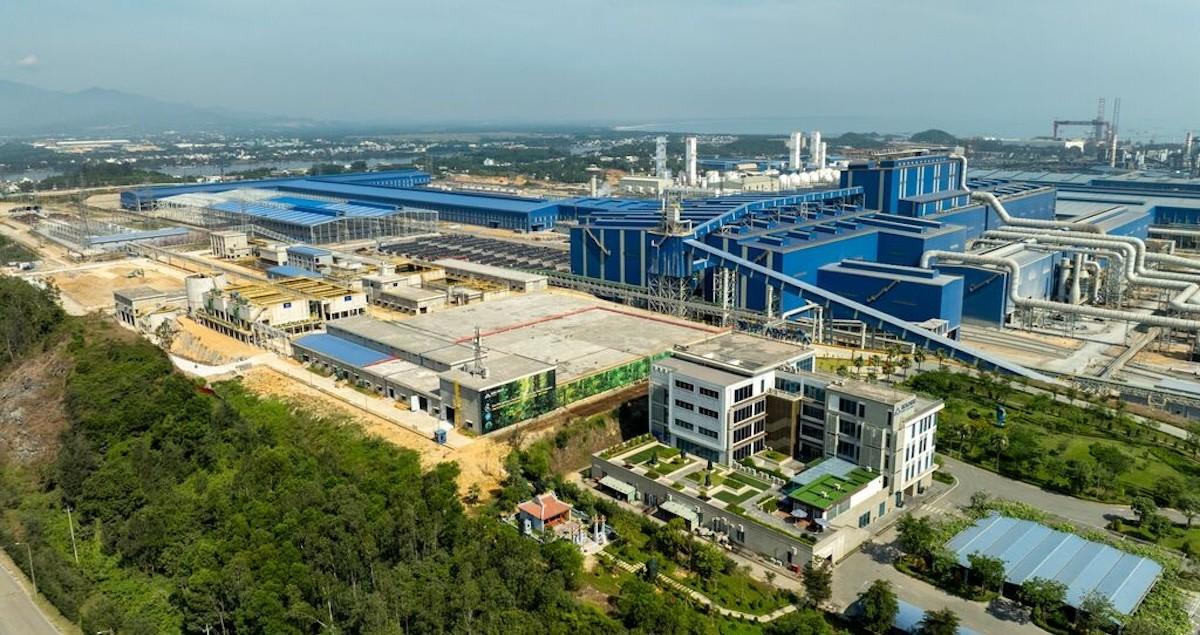
Vietnam is building one of Southeast Asia's most advanced green steel facilities, combining cutting-edge technology with ambitious climate goals in a move that could reshape the region's manufacturing future.
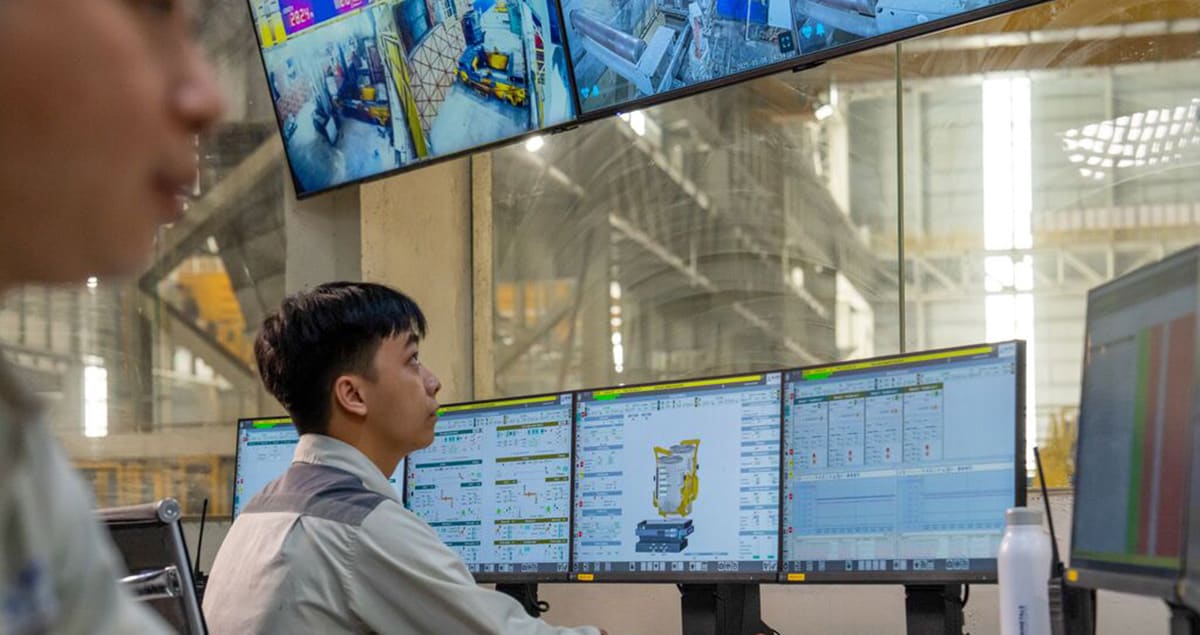
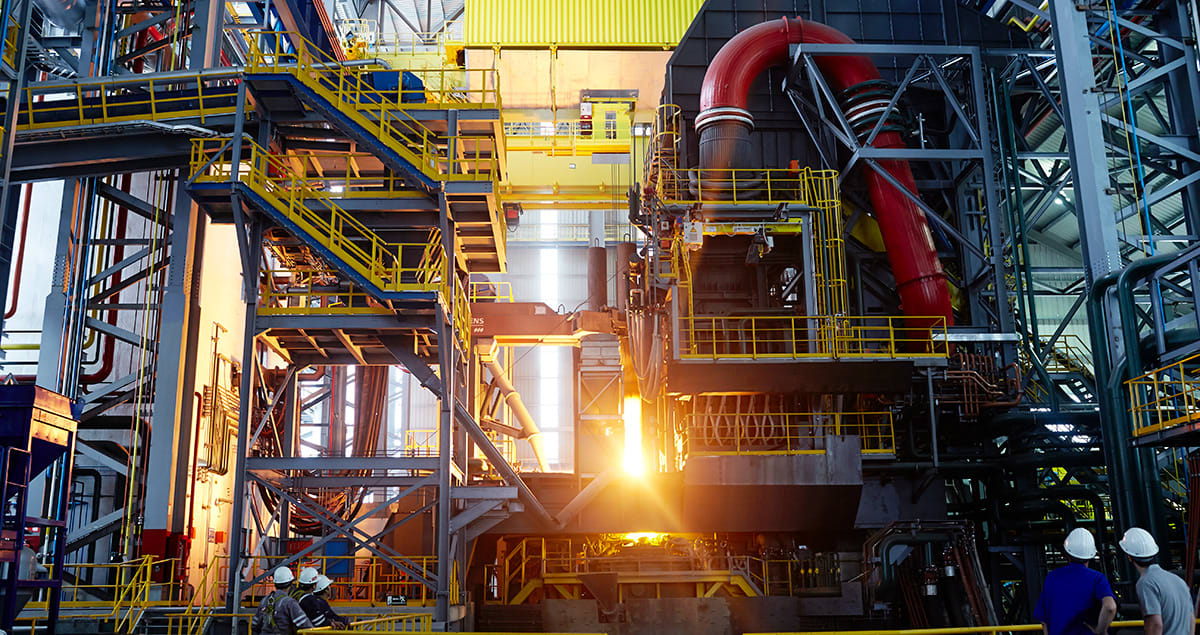
The Red River Delta project will feature electric arc furnaces from Primetals Technologies, a Mitsubishi Heavy Industries company, marking a significant shift from the carbon-intensive blast furnaces currently dominating Vietnamese steel production. These new facilities will produce higher-grade steel needed for sectors like offshore wind turbines and shipbuilding, products the country currently imports entirely.
Vietnam's manufacturing sector drives over 20% of its GDP, and steel production sits at the heart of the government's strategy to move from labor-intensive work to high-tech, sustainable industries. By 2035, the country aims to meet 85% to 90% of its domestic steel demand with locally produced materials.
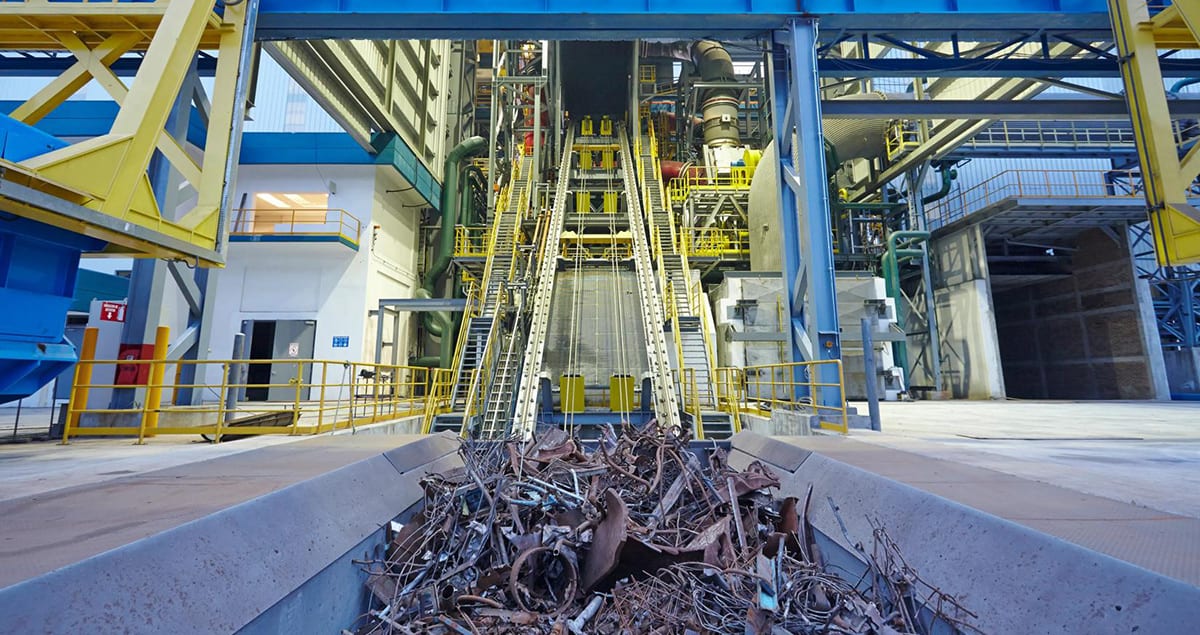
The timing couldn't be better. Vietnam's growing middle class is buying more cars, which creates dual benefits: increased demand for quality steel and, eventually, more scrap metal available for recycling into new products.
"The best way to produce green steel is with an electric arc furnace if scrap serves as main charging material," explains Ty Chung, General Manager at Primetals Technologies. The technology keeps energy consumption minimal because steel can be directly cast and rolled while still hot, eliminating wasteful reheating.
Primetals is partnering with leading Vietnamese enterprise Xuân Thiện Group on two production lines featuring capabilities never before seen in Vietnam. The company is simultaneously working with Hoa Phat Group, Southeast Asia's largest steel producer, on additional modernization projects.
The Ripple Effect
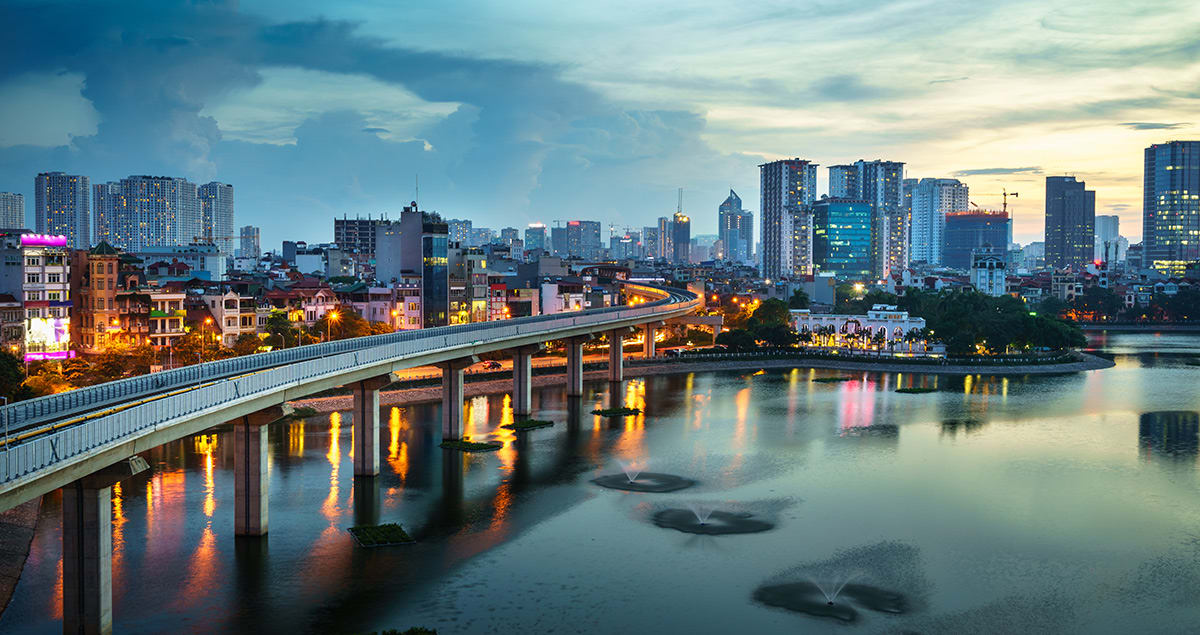
This transformation extends beyond climate benefits. Vietnam's Red River Delta, home to the capital Hanoi, has long been an economic powerhouse for electronics and automotive manufacturing. Adding high-quality steel production to the mix strengthens the entire industrial ecosystem, reducing reliance on imports and creating skilled jobs.
The shift to greener steel aligns with international standards requiring lower carbon emissions, positioning Vietnamese manufacturers to compete globally. Countries and companies worldwide increasingly demand proof that materials come from sustainable sources.
Access to scrap metal remains the biggest challenge for full decarbonization, as Vietnam currently imports much of its supply. However, as car ownership grows and older vehicles eventually reach end-of-life, domestic scrap availability will increase naturally over time.
Chung emphasizes that the transition won't happen overnight but represents a steady evolution. His team helps clients make strategic choices based on raw material availability, production goals, and market demands to ensure each facility's long-term success.
Once operational, the Red River Delta project will place Vietnam among the world's recognized producers of high-quality green steel, proving that developing nations can leap forward in both industrial capability and environmental responsibility simultaneously.
More Images
Based on reporting by Google News - Vietnam Growth
This story was written by BrightWire based on verified news reports.
Spread the positivity!
Share this good news with someone who needs it