Vietnam's Swift Energy Response Earns ADB Praise
Vietnam's government moved quickly to protect its economy from Middle East energy disruptions, using tax relief and price controls to keep inflation in check. The Asian Development Bank says these smart moves helped the country stay on track for 7.2% growth this year.
When energy prices spiked due to Middle East tensions, Vietnam's government didn't wait to see what would happen. They jumped into action with a toolkit of solutions that's now earning international praise.
The Asian Development Bank's Vietnam director Shantanu Chakraborty highlighted the country's response at a Friday press conference in Hanoi. Vietnam combined tax relief, flexible pricing adjustments, and better supply coordination to shield citizens from the worst impacts of global energy chaos.
The strategy worked. Despite the external shocks, Vietnam is projected to grow 7.2% this year and 7% in 2027, supported by public investment and smart monetary policy.
This comes on the heels of an impressive 2025, when Vietnam grew 8.02% and became Southeast Asia's fastest-growing economy. The country proved it could thrive even when global conditions got rough.
Vietnam's approach included tapping into its stabilization fund, a financial cushion designed for exactly these kinds of emergencies. By using existing tools creatively rather than scrambling for new solutions, the government contained inflation pressures while keeping the economy moving.
Inflation is expected to reach 4% this year before easing to 3.8% in 2027. That's manageable growth, not the runaway price increases that can devastate household budgets.
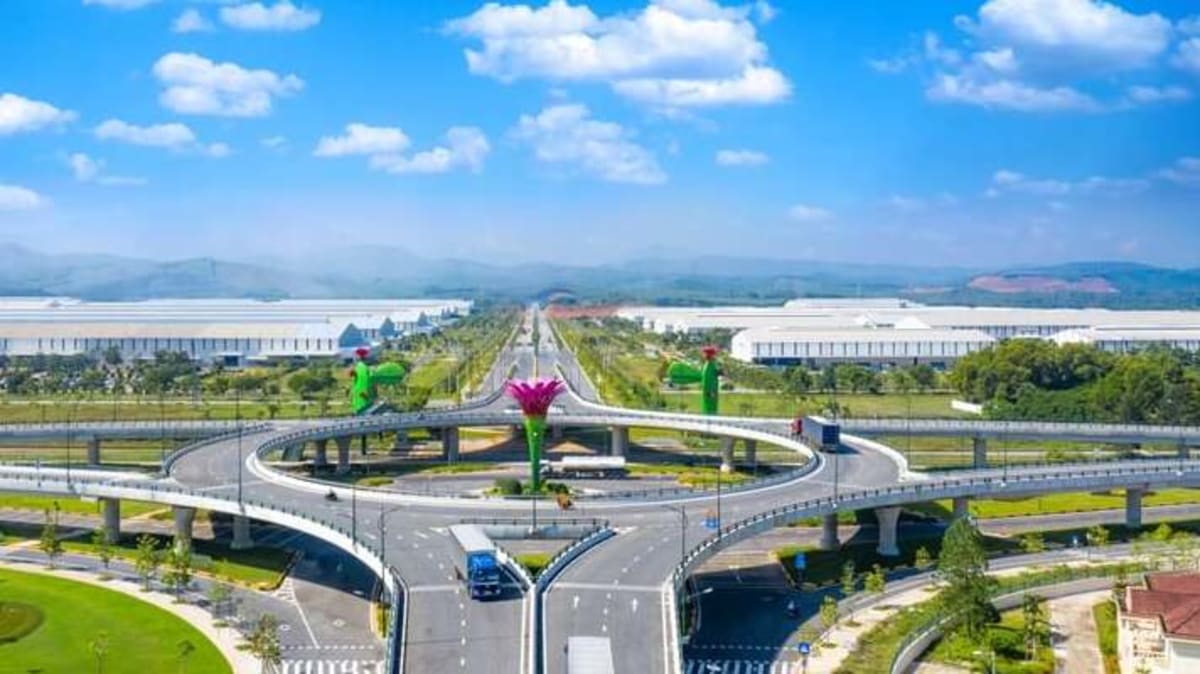
The government plans to accelerate $38 billion in public investment, particularly for infrastructure projects. These investments support construction jobs now while building the foundation for future growth.
The Ripple Effect
Vietnam's energy response shows how prepared governments can turn global crises into demonstrations of strength. While many countries struggled with energy supply disruptions, Vietnam's swift action protected both businesses and families from severe economic pain.
The ADB emphasized that diversifying energy sources and accelerating clean energy transitions will help Vietnam avoid future vulnerabilities. The country is already taking those lessons to heart as it builds a more resilient economy.
Prime Minister Le Minh Hung told Vietnam's parliament that growth must come with stability. "Vietnam does not accept overheating growth and macroeconomic instability," he said, showing the country's commitment to sustainable progress.
For a country that faced significant challenges just a few years ago, Vietnam's ability to navigate global energy shocks while maintaining the region's fastest growth rate demonstrates remarkable economic resilience.
More Images


Based on reporting by Regional: vietnam economic growth (VN)
This story was written by BrightWire based on verified news reports.
Spread the positivity!
Share this good news with someone who needs it