%2Ffile%2Fattachments%2Forphans%2F6NtjantjaNed_244613.jpg)
Village Child Became National Force for 45,000 Kids
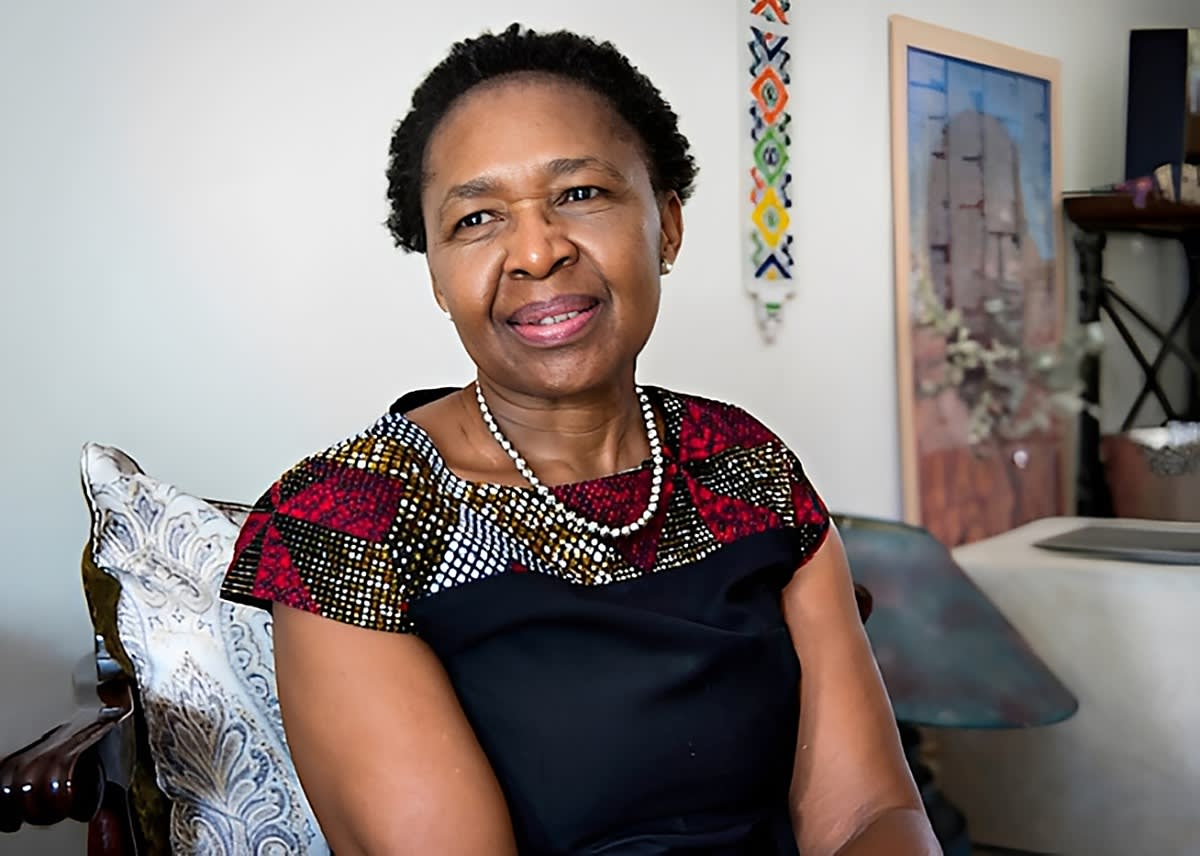
Starting as a social worker in apartheid-era South Africa, Ntjantja Ned rose to reshape the nation's child welfare system and bring support to thousands of vulnerable children. Her secret to leadership: never forgetting where she came from.
When Ntjantja Ned began her career as a social worker in QwaQwa, Free State in 1978, she witnessed children facing steep challenges in the former apartheid homeland. That experience shaped a career that would transform how South Africa cares for its youngest citizens.
Ned's journey took her from community visits to the highest levels of social development leadership. She served as chief director of the Free State Department of Social Welfare, deputy director-general of the national Department of Social Development, and CEO of the Hollard Foundation.
Her leadership philosophy was simple but powerful: surround yourself with people who challenge you. "Being appointed to a position does not mean you know it all and you can do it all," Ned told Daily Maverick. "It really just means you are serving the people that are around you, so that they go out and serve others better."
One of Ned's most significant achievements came in South Africa's early years of democracy. She led the process of designing the Child Support Grant, which replaced the racially discriminatory apartheid-era social support system that had operated 18 different payment systems across different races and areas.
Presenting the concept to Parliament, Ned tackled the central challenge of sustainability. How could South Africa accommodate far more children in the social security system while managing the budget responsibly?
"We were guided by the view that we should open the safety net, and from that, then we could start deepening," said Ned. The team consolidated budgets from multiple government departments into one equitable framework.
At the Hollard Foundation, Ned pioneered a different approach to helping vulnerable children. Rather than working from the top down, she invested 60% of resources at the local government level, partnering directly with municipalities.
"We really needed to find a way of working in partnership, so that we understood why they were not delivering," Ned explained. The foundation helped communities integrate early childhood development into municipal Integrated Development Plans and funded dedicated ECD units to coordinate with local departments.
The Ripple Effect
Ned's systems-change approach created lasting infrastructure for early childhood development across South Africa. By working directly with municipalities on zoning, land use, and local planning, she ensured that support for young children became embedded in how local governments operate.
Her insistence on bottom-up partnerships rather than top-down mandates helped municipalities understand not just what to do, but why it mattered. That shift in perspective created sustainable change that continues supporting children today.
Throughout her career, Ned never forgot her own roots. "That remembering of who I am, where I come from and what matters in the life of a child becomes what matters in the life of a person given responsibility to lead," she said.
For Ned, celebrating women's contributions to child-rearing wasn't just about recognition—it was about investing in South Africa's future and human development.
More Images

%2Ffile%2Fattachments%2Forphans%2FWFD_3791_799588.jpg)
Based on reporting by Daily Maverick
This story was written by BrightWire based on verified news reports.
Spread the positivity!
Share this good news with someone who needs it
%2Ffile%2Fattachments%2F2997%2FIMG_1294_966407.jpeg)

%2Ffile%2Fauthors%2F1891279819693498821.jpg)