Villagers in Lesotho Now Treating High Blood Pressure
Trained community members in rural Lesotho are successfully treating high blood pressure using a tablet app, achieving better results than distant health clinics. This breakthrough could transform healthcare access for millions in underserved regions worldwide.
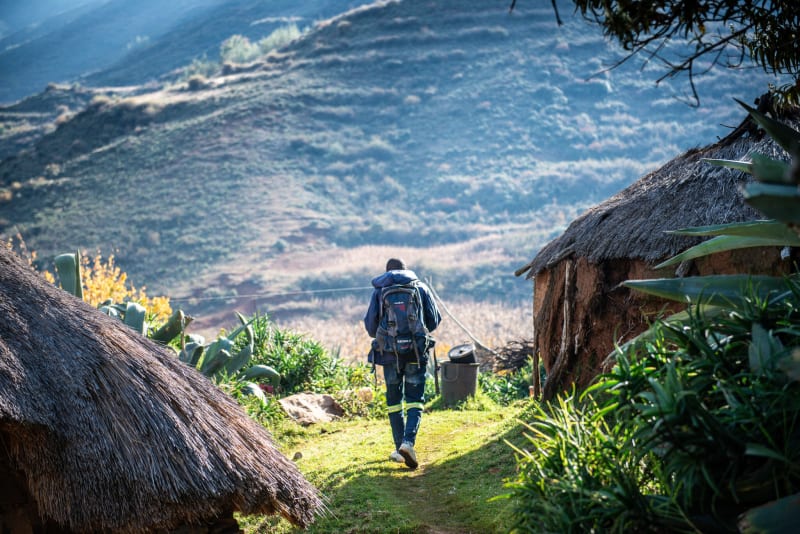
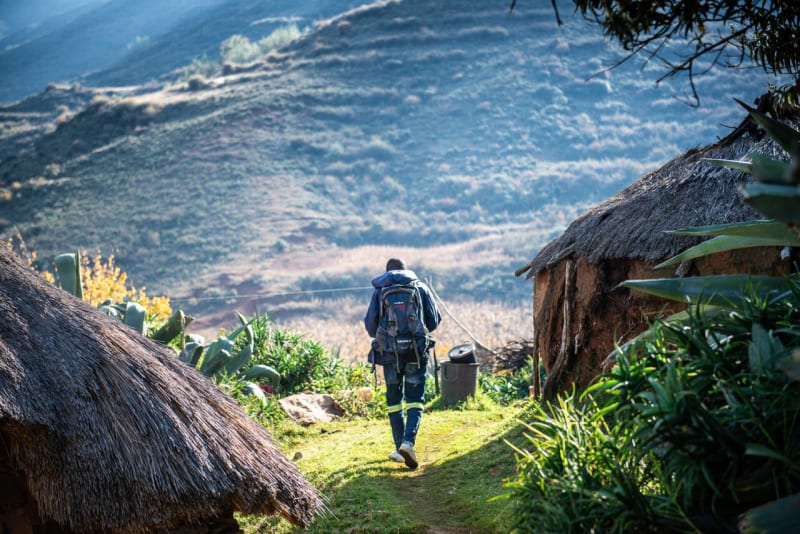
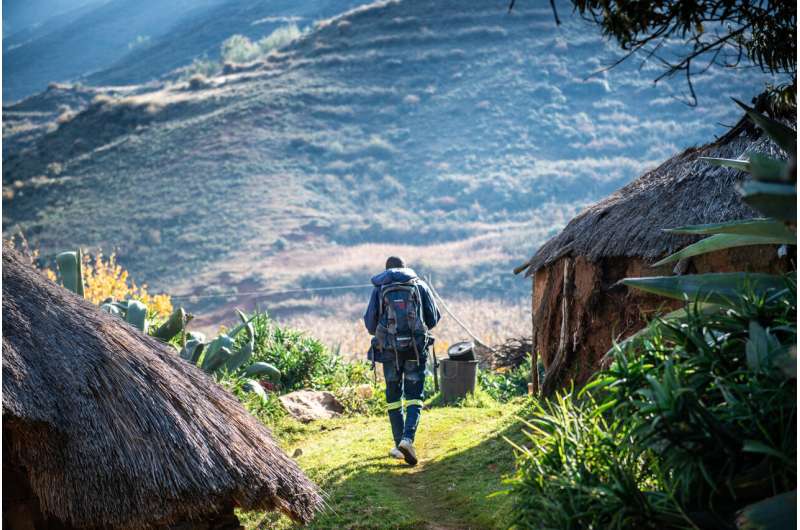
In the remote mountains of Lesotho, a simple idea is saving lives: what if neighbors could treat neighbors?
High blood pressure silently kills millions through heart attacks and strokes, yet in rural Africa, treatment often means traveling hours to overcrowded clinics. Many people simply go untreated, risking their lives because healthcare feels impossibly far away.
Researchers from the University of Basel and the nonprofit SolidarMed decided to try something different. They trained 103 villagers in Lesotho to become lay health workers, equipping them with tablet apps that guide them through blood pressure treatment step by step.
Over five months, these trained community members tested more than 6,600 neighbors for high blood pressure in their own villages. They found over 1,200 people with elevated levels, including 500 with dangerously high readings who needed immediate care.
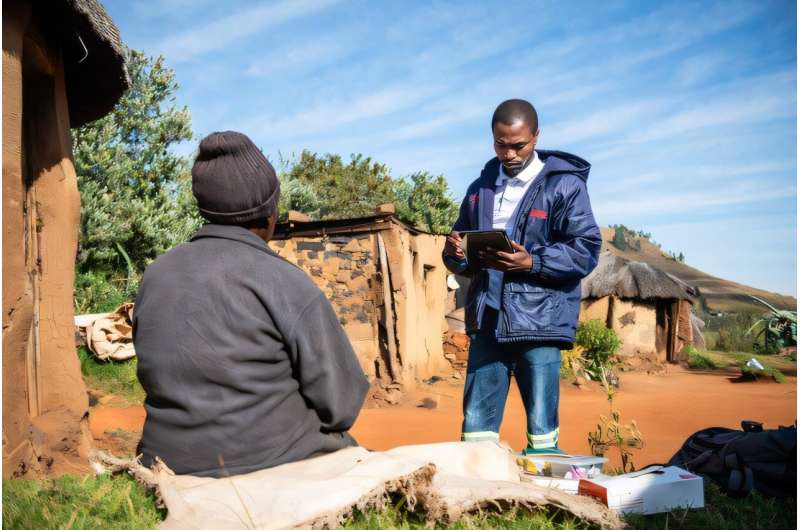
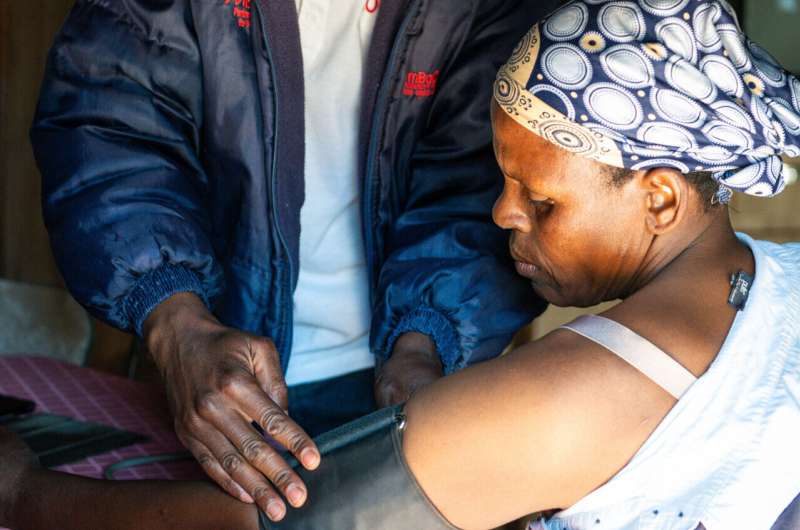
The tablet app worked like a medical GPS, helping lay health workers adjust medication doses of common blood pressure drugs according to clear protocols. At regular checkups, they fine-tuned each patient's treatment, bringing care directly to people's doorsteps instead of making them trek to distant facilities.
The results, published in Nature Medicine, were remarkable. Patients treated by their trained neighbors achieved better blood pressure control than those who received standard care at health facilities. Even more encouraging, the community-based approach proved just as safe, with no increase in serious side effects or complications.
Thabiso Willie, one of the lay health workers, now visits patients like 53-year-old 'Masekoele Sekunyakunya right at her home in Moteng village. After just two weeks of training, Willie and others like him became effective healthcare providers for their communities.
The Ripple Effect
This model does more than treat individual patients. It shows healthcare systems worldwide how task-shifting can work when done right: proper training, clear protocols, digital support, and close supervision.
Dr. Lebohang Sao, a District Medical Officer in Lesotho's Ministry of Health, has seen the broader impact firsthand. Engaging community health workers for screening and follow-up care reduces hospital admissions and relieves pressure on overwhelmed healthcare facilities.
Every small decrease in blood pressure reduces someone's risk of a future stroke or heart attack, notes Professor Niklaus Labhardt, who co-led the study. When multiplied across entire communities and potentially across countries facing healthcare shortages, the impact becomes transformative.
The researchers are now studying the cost advantages of this approach, which could make it even more attractive for resource-limited regions. Meanwhile, SolidarMed continues working with Lesotho's health authorities to integrate the model into the existing healthcare system.
For villages across Lesotho and potentially throughout underserved regions worldwide, healthcare just got a whole lot closer to home.
More Images
Based on reporting by Medical Xpress
This story was written by BrightWire based on verified news reports.
Spread the positivity!
Share this good news with someone who needs it