Vine Returns as Divine, Bans AI Content
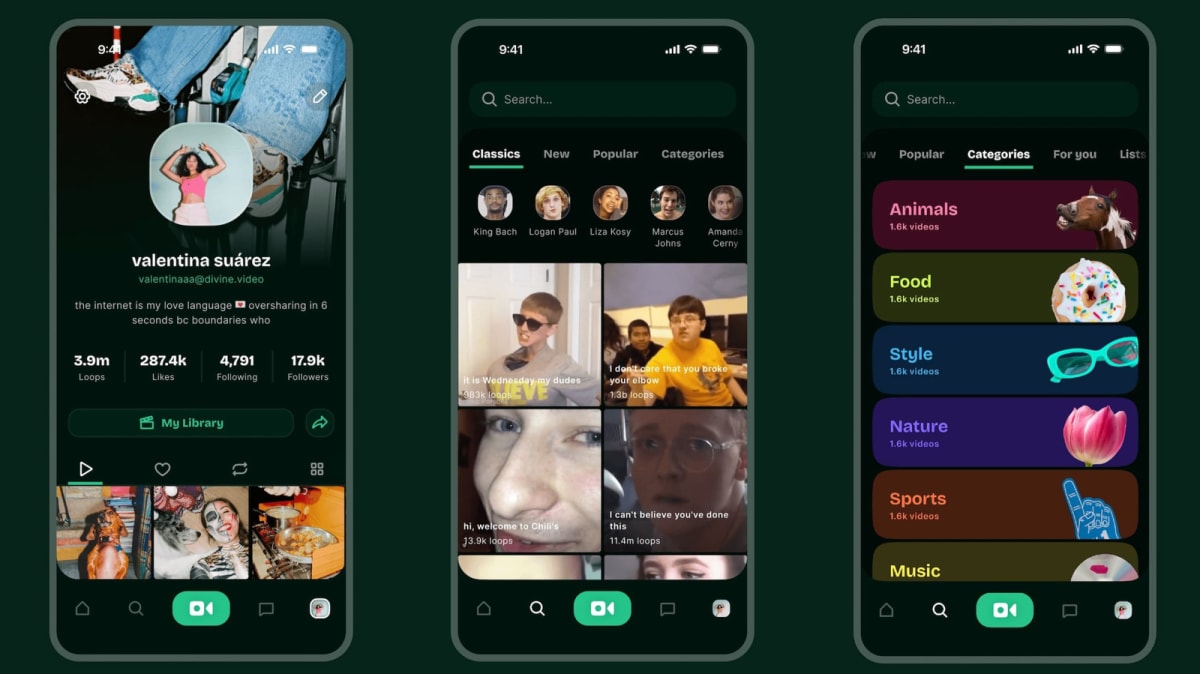
The beloved six-second video app Vine is making a comeback as Divine, and it's bringing back creativity-first content with a twist: absolutely no AI-generated videos allowed. With original funding from Jack Dorsey and a mission to put creators back in control, this reboot feels like a breath of fresh air.
📺 Watch the full story above
Remember when social media was just for fun, not for gaming algorithms and chasing ad revenue? That era is getting a second chance.
Divine launched this week as a spiritual successor to Vine, the short-form video app that captured hearts back in 2013. The new app keeps Vine's signature six-second looping videos but adds something the internet desperately needs: a complete ban on AI-generated content.
Jack Dorsey, who led Twitter when it bought the original Vine, helped fund Divine through his open-source development collective. The app runs on a decentralized network, meaning creators own their content and follower relationships instead of being locked into a corporate platform.
The anti-AI stance sets Divine apart in today's social media landscape. Every new video gets a label showing whether it's human-made, and users can tap to run an AI detection scanner. It's a refreshing commitment to authentic creativity in an era when AI-generated content floods every platform.
Original Vine stars like Lele Pons and MightyDuck have already reclaimed their accounts. The team recovered over 500,000 videos from an archive created before Twitter shut down Vine in 2017, preserving a piece of internet history.
Access currently requires an invite, with creators gradually bringing friends and followers into the community before a wider rollout. The app is available for both iOS and Android.
Why This Inspires
Divine represents something rare: a second chance to do things right. Dorsey admitted Vine never found a sustainable business model, but Divine's approach puts that power directly in creators' hands. Instead of relying on ads and engagement metrics, the platform promises tools for creators to build their own revenue streams.
The focus on "creativity and constraint over engagement for an ad algorithm" feels revolutionary precisely because it's so old-school. Six seconds isn't much time, but those limitations sparked incredible creativity the first time around. Divine is betting that given the same constraints and freedom from corporate pressure, people will create magic again.
Project leader Evan Henshaw-Plath (known as "Rabble"), a former Twitter employee, built Divine on principles of decentralization and creator ownership. These aren't just buzzwords but fundamental shifts in how a social platform operates.
The timing couldn't be better, as people increasingly crave authentic human connection online and grow weary of algorithm-optimized content and AI-generated media. Divine offers a return to social media's simpler, more joyful days while learning from past mistakes.
Sometimes the best innovation is remembering what worked and fixing what didn't.
More Images



Based on reporting by Engadget
This story was written by BrightWire based on verified news reports.
Spread the positivity!
Share this good news with someone who needs it