Virginia Adds 6 Civil Rights Sites That Changed America
Virginia's newest additions to the U.S. Civil Rights Trail honor everyday people whose brave choices transformed the nation. From the couple who made interracial marriage legal to students who fought school segregation, these sites celebrate wins that still matter today.
Six historic Virginia locations just joined the U.S. Civil Rights Trail, preserving stories of ordinary people who made extraordinary change. These museums, memorials, and walking tours honor the activists and families whose courage reshaped America's laws and values.
In Fredericksburg, a free self-guided trail winds through 21 stops where local Black residents fought for freedom. The route includes Shiloh Baptist Church, which sheltered enslaved people before the Civil War and later became a meeting place for civil rights protesters. A memorial honors Dr. James Farmer, one of the movement's most influential leaders.
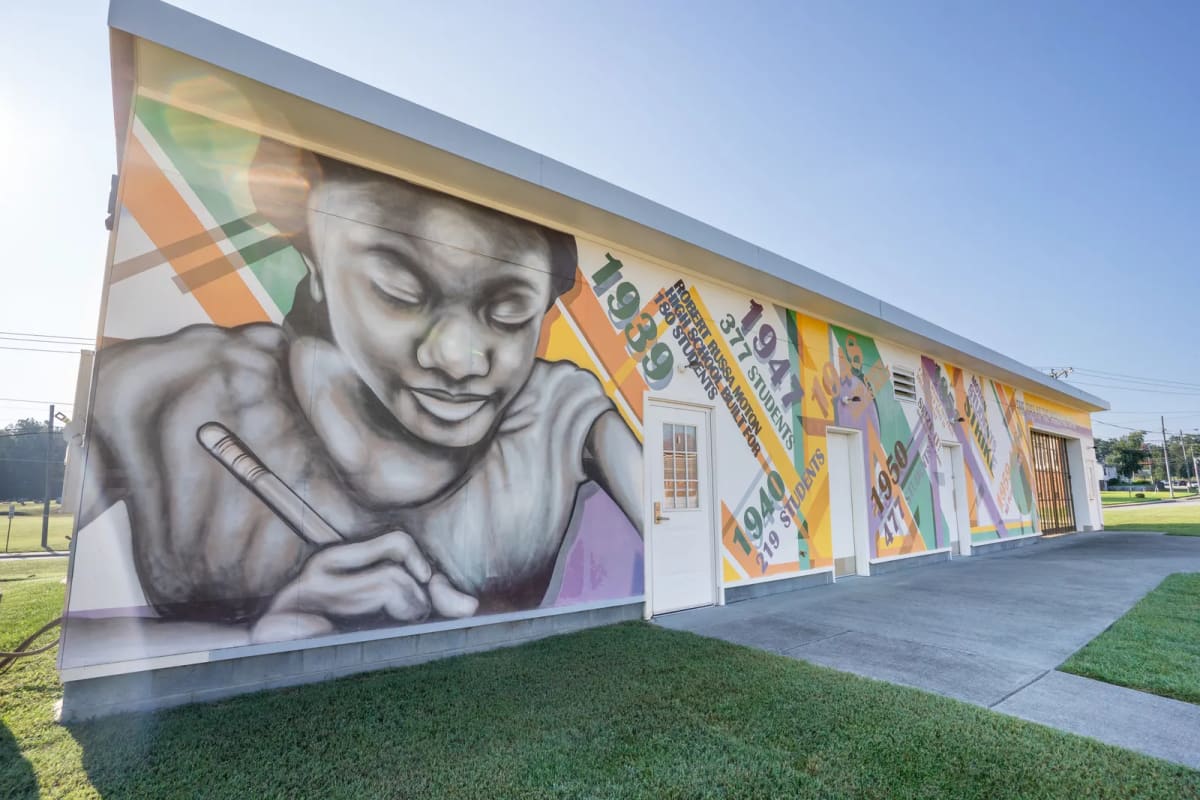
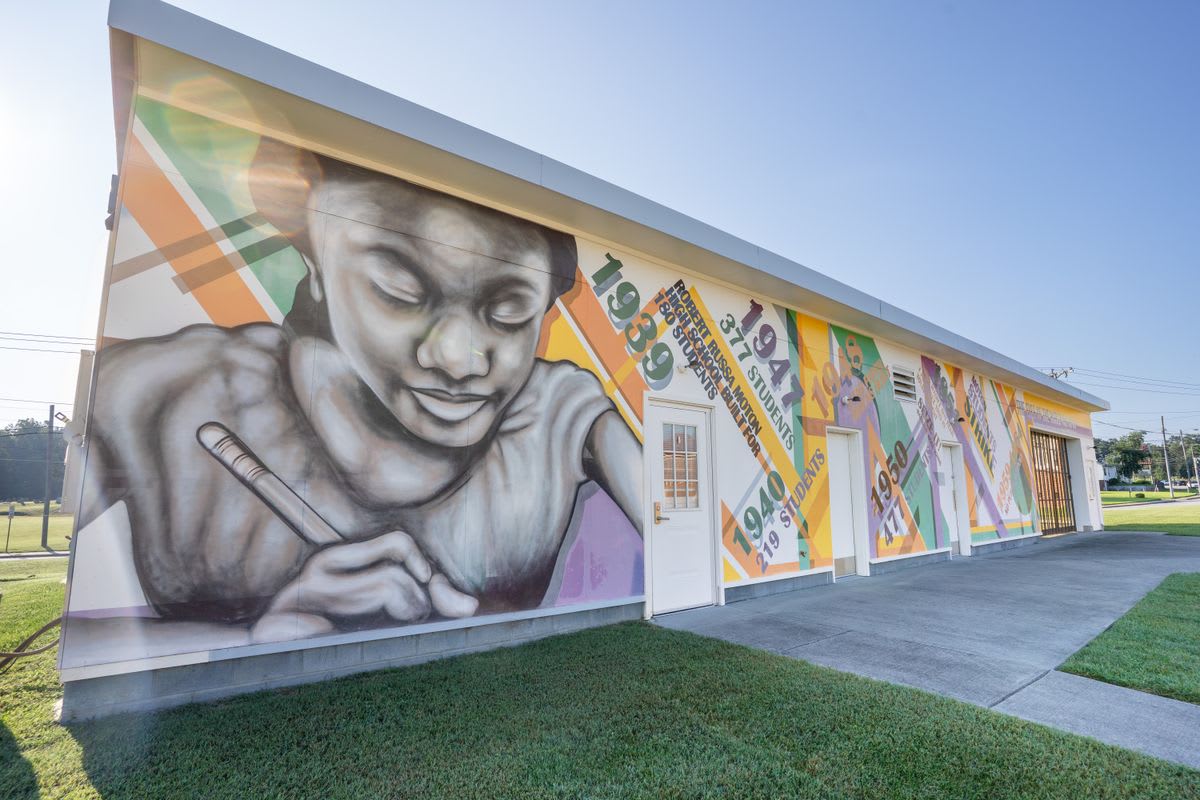
The Gloucester Museum of History celebrates three groundbreaking figures whose impact reached far beyond Virginia. Irene Morgan refused to give up her bus seat in 1944, leading to a Supreme Court ruling that banned segregation on interstate buses. Her victory came 11 years before Rosa Parks made a similar stand. The museum also honors T.C. Walker, the county's first Black lawyer, and Robert Russa Moton, who led Tuskegee Institute and championed education for Black students.
At the Caroline County Courthouse, visitors can see where Richard and Mildred Loving were arrested and jailed in the 1950s simply for being married. He was white, she was Black, and Virginia's laws called their love a crime. Their fight went all the way to the Supreme Court, which ruled in 1967 that marriage is a fundamental right for everyone. That decision struck down anti-miscegenation laws across America.
Richmond's Virginia Civil Rights Memorial features 18 bronze figures depicting students and adults who fought school segregation. The sculptures show student Barbara Johns leading a 1951 strike against unequal school conditions and attorney Oliver Hill taking on cases that defended students' rights. Granite blocks feature quotes that capture the movement's goals and spirit.
The Ripple Effect: These sites don't just preserve history. They remind visitors that regular people created the freedoms we enjoy today. Students walked out of classes, couples stood up to unjust laws, and community members organized protests that changed the Constitution. Their wins inspire new generations to keep pushing for equality and justice.
Most locations are free or accept donations, making civil rights history accessible to everyone. The walking trails take two to four hours, while memorials need just 15 to 30 minutes. Together, they show how Virginians' determination and community power created lasting change that benefits every American.
Every site tells the same hopeful truth: when ordinary people make brave choices, they can transform the world.
More Images

%2Fhttps%3A%2F%2Ftf-cmsv2-smithsonianmag-media.s3.amazonaws.com%2Ffiler_public%2F1d%2F14%2F1d14397d-dc46-4e5c-a18b-f2df64f22df9%2Fcn25101501v_013.jpg)
%2Fhttps%3A%2F%2Ftf-cmsv2-smithsonianmag-media.s3.amazonaws.com%2Ffiler_public%2Ff1%2F70%2Ff170db15-d49b-4535-99de-d3f1bc781d87%2Fthe_walker-grant_school__historical_marker_1.jpg)
Based on reporting by Smithsonian
This story was written by BrightWire based on verified news reports.
Spread the positivity!
Share this good news with someone who needs it