Virginia County Plants 10,000 Trees in Just Two Months
While development booms in Henrico County, Virginia, a dedicated team just planted 10,000 trees in 60 days to keep their community green and healthy. The partnership between local government and nonprofits is creating cooler, cleaner spaces for everyone to enjoy.
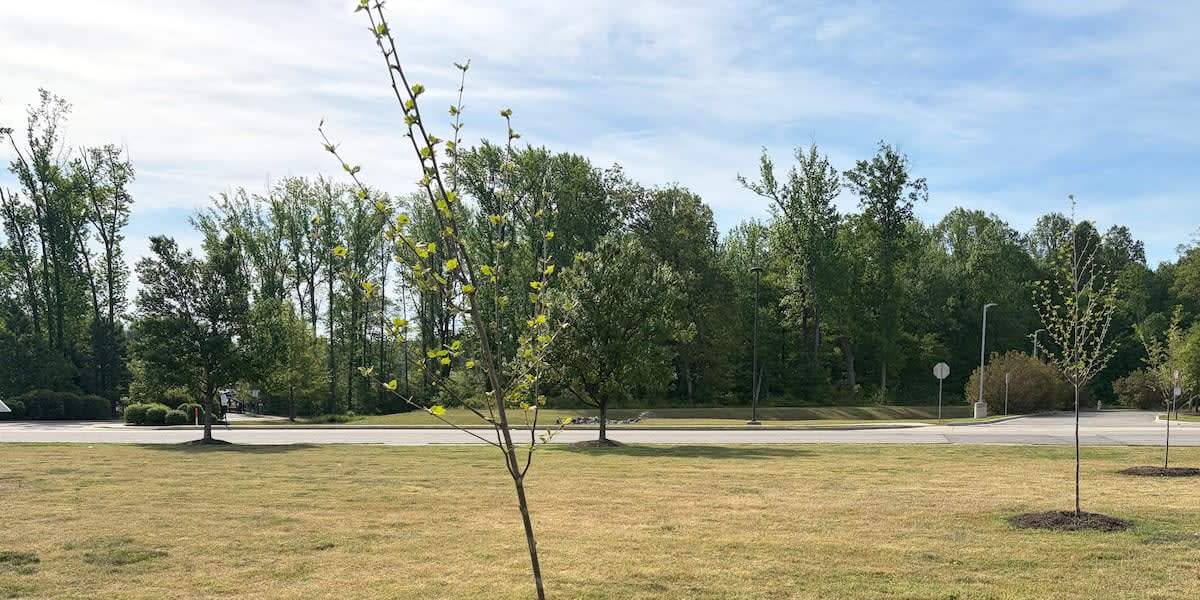
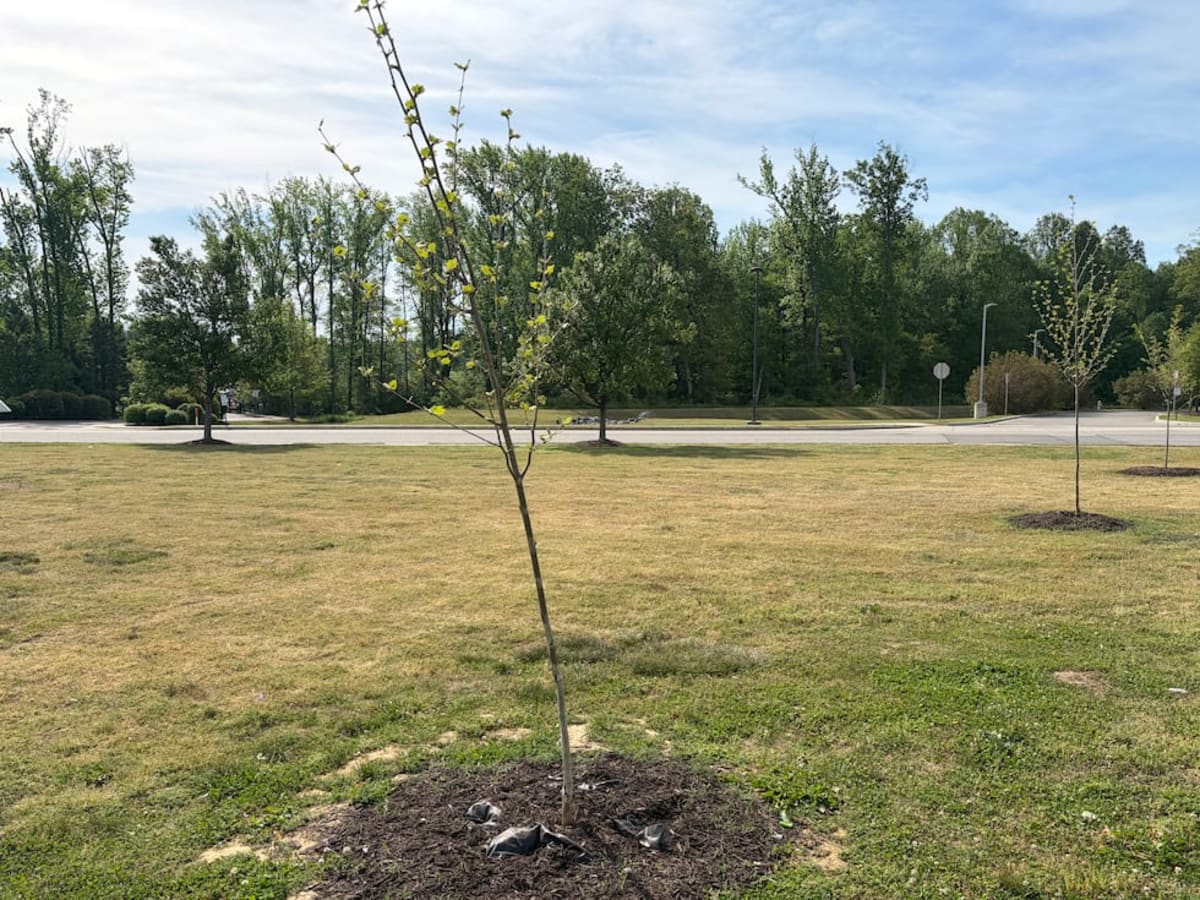
While new buildings rise across Henrico County, Virginia, a quieter revolution is happening at ground level. In just two months, local teams planted 10,000 trees across the county, transforming everything from elementary school yards to recreation centers into thriving green spaces.
Sam Hudson leads Henrico County's sustainability division and watched the transformation unfold at record speed. His team partnered with Capital Trees, a local nonprofit, to green spaces throughout the community. From mini forests at Nuckols Farm Elementary School in the West End to diverse plantings at Eastern Recreation Center, the new trees are already showing signs of life.
"In the last month, it looks like this Bald Cypress is quite happy," Hudson said, pointing to fresh green needles sprouting from recent plantings. The partnership between Henrico's Environmental Action Resource Team (HEART) and Capital Trees has been running for several years, but this two-month sprint marks their most ambitious effort yet.
The trees do more than look pretty. Shelly Barrick Parsons, executive director of Capital Trees, explained how these plantings directly improve community health. Trees reduce air temperature, filter pollution, and create cooler outdoor spaces that help prevent summer health emergencies like asthma attacks and cardiac issues.
Along a walking path on Laburnum Avenue, 50 new trees now line the route and nearby parking lots. These trees will release moisture into the air, naturally cooling the area day and night. Their leaves will capture about 30% of airborne particles, cleaning the air for walkers and neighbors. The natural barrier will also muffle road noise, making the trail a more peaceful retreat.
The Ripple Effect
Every tree comes from Virginia nurseries and belongs to species native to the Richmond area. The American hophornbeam, named for its hop-like seeds, once thrived naturally in these neighborhoods. Now it's coming back, along with dozens of other native species that support local wildlife and require less maintenance.
The program extends beyond planting. Capital Trees trains volunteers to identify native and invasive species, map tree canopy coverage, and assess tree health. These skills spread through the community as trained volunteers teach their neighbors. Hudson's team hosts plantings in fall and spring, then runs summer training sessions for staff, students, and residents.
The model works because it builds knowledge alongside green space. Community members learn to care for their urban forest, creating stewards who will protect these trees for decades.
Both organizations are looking for more volunteers to join upcoming plantings and training sessions. Details are available on Henrico County's HEART website for anyone ready to get their hands dirty and their neighborhood greener.
Ten thousand trees in two months proves what communities can accomplish when government and nonprofits work together toward a healthier future.
More Images
Based on reporting by Google News - Reforestation
This story was written by BrightWire based on verified news reports.
Spread the positivity!
Share this good news with someone who needs it