Virginia Offers New Hope for Rare Eye Cancer Patients
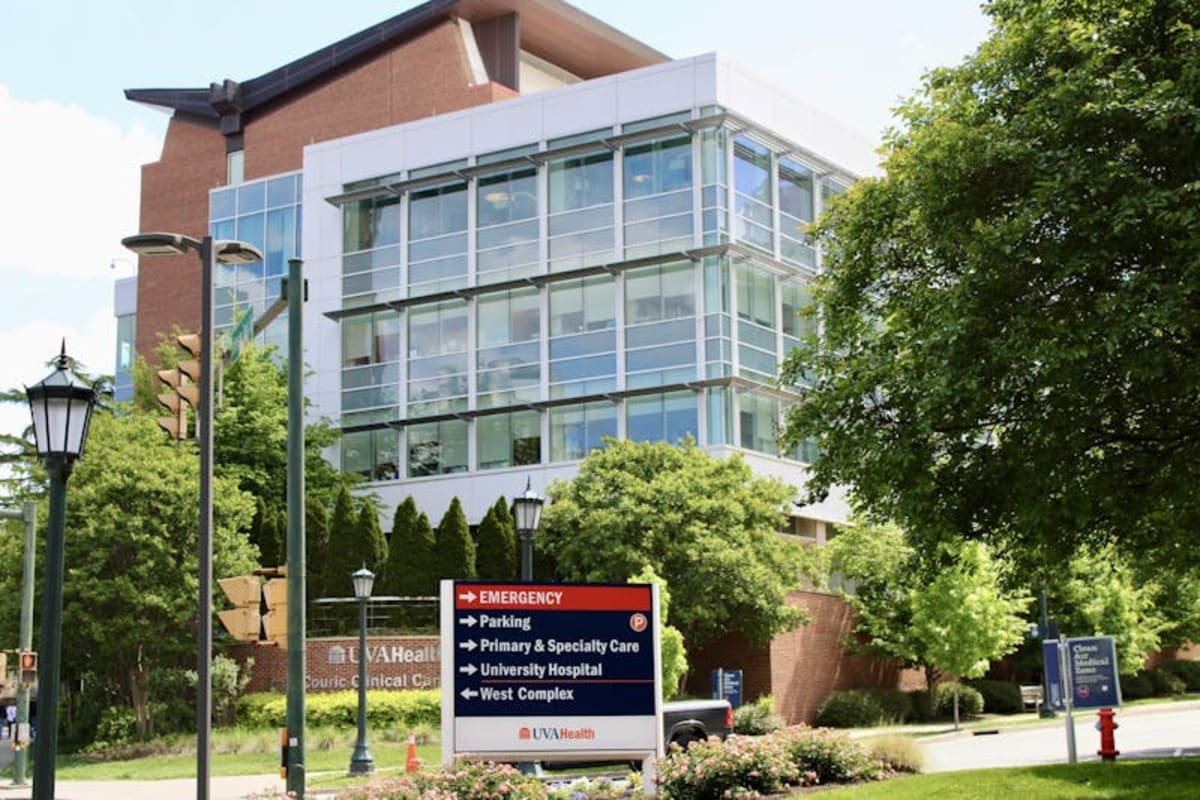
University of Virginia Health becomes the first in the state to offer a groundbreaking treatment for a rare eye cancer that typically spreads to the liver. The innovative procedure delivers targeted chemotherapy while protecting the rest of the body.
Patients with a rare and stubborn form of eye cancer now have a new fighting chance, thanks to a specialized treatment just launched at University of Virginia Health.
The Charlottesville health system is the first in Virginia to offer Hepzato, an FDA-approved treatment for uveal melanoma that has spread to the liver. This rare cancer starts in the eye's middle layer and has historically given patients few options once it spreads.
Dr. Daniel Sheeran and Dr. Paul Gallo brought the treatment to U.Va. Health after recognizing a critical gap in care. While uveal melanoma represents just a tiny fraction of the 100,000 melanoma cases diagnosed annually in the United States, about half of these cancers spread beyond the eye, and 90 percent land in the liver.
The treatment works differently than traditional chemotherapy. Instead of flooding the entire body with drugs, the four-hour procedure isolates the liver's blood supply and delivers high doses of melphalan directly to cancer-affected areas through tubes the size of a pen tip.
A special machine then filters the chemotherapy out of the blood before it circulates to other organs, dramatically reducing toxic side effects. Patients spend one night in the ICU for observation before heading home.
The procedure can be repeated up to six times, every six to eight weeks, giving doctors multiple chances to fight back against the cancer. It requires a full team including interventional radiologists, anesthesiologists, perfusion specialists, pharmacists, and nurses working in concert.
The Bright Side
While Hepzato won't cure metastatic uveal melanoma, it offers something patients desperately need: time and quality of life. The treatment can contain the cancer's spread within the liver, helping patients live longer with fewer debilitating symptoms.
Not every patient qualifies for the procedure. Doctors look for a "Goldilocks period" when cancer has spread within the liver but hasn't overtaken the organ or moved beyond it, ensuring the treatment offers maximum benefit.
The innovation represents more than just a new medical tool. It demonstrates how specialized teams can tackle rare diseases that larger pharmaceutical companies often overlook because they affect smaller patient populations.
Researchers are already testing Hepzato for other cancer types, potentially expanding hope to even more patients facing limited options in the future.
More Images
Based on reporting by Google News - New Treatment
This story was written by BrightWire based on verified news reports.
Spread the positivity!
Share this good news with someone who needs it