Virginia Tech Finds Key to Better Movement Disorder Cures
Scientists discovered that brain signals researchers have relied on for decades may have been misleading them, opening new paths to treat tremors, dystonia, and ataxia. This breakthrough could transform how millions of people with movement disorders receive treatment.
A team at Virginia Tech just overturned a decades-old assumption about the brain that could change everything for people living with debilitating movement disorders.
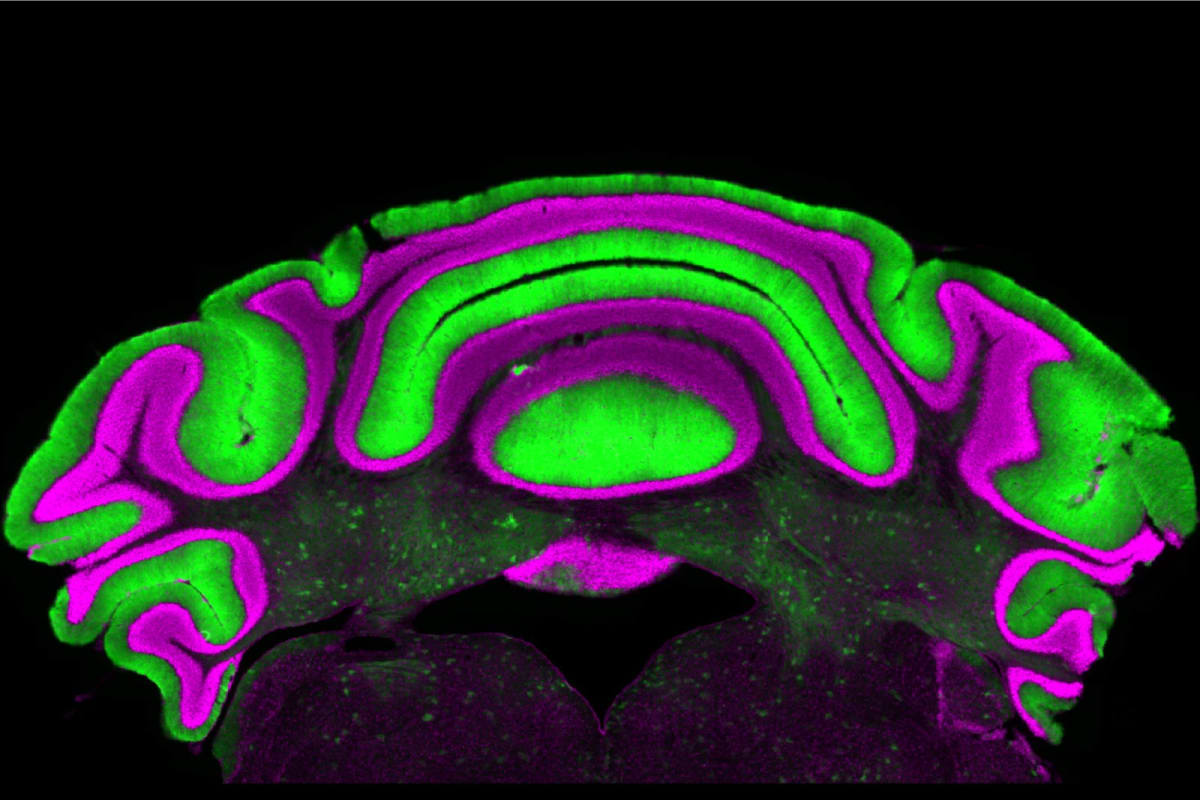
For years, scientists studying conditions like tremor, dystonia, and ataxia have taken a shortcut. They measured one type of brain cell to understand what another type was doing, assuming the two worked in lockstep. It seemed logical since the cells are directly connected in the cerebellum, the brain region that coordinates our movements.
Meike van der Heijden and her team at the Fralin Biomedical Research Institute discovered that shortcut was leading everyone astray. The two cell types, Purkinje cells and deep cerebellar nuclei cells, don't mirror each other's activity as expected.
"There's not a clear linear relationship between activity in the Purkinje cells and in the deep nuclei cells," van der Heijden explained. The team analyzed extensive brain recordings from models of cerebellar disease and found virtually no correlation between the two.
This matters because Purkinje cells sit on the brain's surface where they're easy to measure. Deep nuclei cells hide deeper inside, making them much harder to study. For convenience, researchers have been using the accessible cells as a stand-in for the difficult ones.
The problem? That's like trying to understand what's happening in your basement by only checking your attic. The connection exists, but one doesn't reliably predict the other.
Why This Inspires
This discovery opens an exciting new chapter for people living with movement disorders. Millions struggle with conditions like essential tremor, which causes uncontrollable shaking, or dystonia, which creates painful muscle contractions. Current treatments help some patients but leave many others searching for relief.
Doctoral candidate Alyssa Lyon, who led the study published in the Journal of Physiology, sees clear hope ahead. "A better understanding of the relationship between these neuron types will ultimately help optimize treatments," she said.
The research team's honesty about getting it wrong makes this breakthrough even more powerful. Van der Heijden calls it "a cautionary tale" and urges researchers to test assumptions rather than accept them.
Now scientists know they need to measure the right cells to truly understand what's happening in diseased brains. Treatments can target the actual problem instead of a convenient proxy. Drug developers and device makers working on therapies now have a more accurate roadmap.
The path to better treatments just got clearer, and that means hope for people who've been waiting for solutions that actually work.
More Images
Based on reporting by Google News - Scientists Discover
This story was written by BrightWire based on verified news reports.
Spread the positivity!
Share this good news with someone who needs it
%2Ffile%2Fattachments%2F2996%2FGroundUp-NIH-funding_260278.jpeg)