Virtual Cancer Care Gets Thumbs Up From Top Medical Group
Color Health just earned major certification for its virtual cancer clinic, bringing expert care to patients wherever they are. The platform uses AI and remote tumor boards to help more people access top-tier cancer treatment.
Cancer care is coming to you, and a leading medical organization just gave it their stamp of approval.
Color Health, a Silicon Valley health tech company, just received certification from the American Society of Clinical Oncology for its virtual cancer clinic. This marks a significant moment for remote cancer care, bringing specialized treatment within reach for patients who might otherwise struggle to access it.
The company has built a complete virtual cancer center that includes remote "tumor boards." These are teams of specialists from different fields who meet to discuss complex cases and create treatment plans together. Traditionally, this happens in person at major cancer centers, leaving some patients without access to this collaborative expertise.
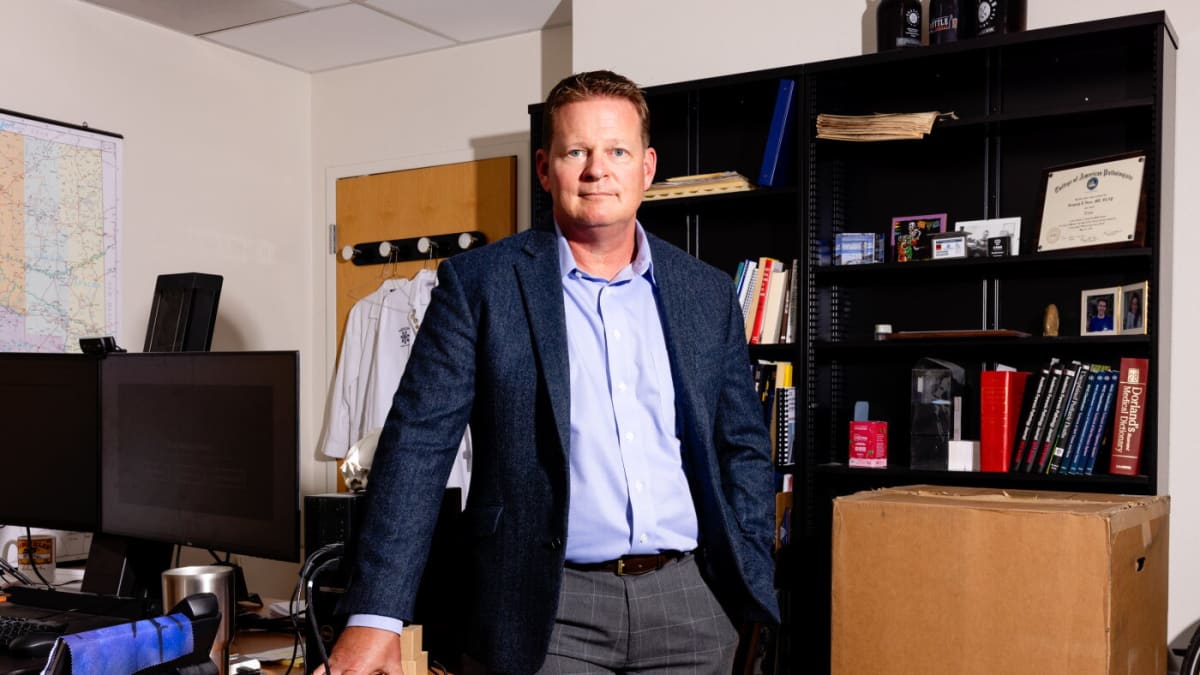
CEO Othman Laraki points to a pressing problem driving this innovation. Cancer patients are growing in number faster than oncologists can be trained. Meanwhile, treatment is becoming more complex as science advances, and costs continue climbing.
The virtual approach doesn't replace hands-on treatments like surgery, radiation, or infusions. Instead, it manages the care around these treatments, helping patients navigate their cancer journey with expert guidance from anywhere.
The Ripple Effect
This certification could reshape how Americans receive cancer care. Patients in rural areas or smaller cities often face long drives to reach specialized cancer centers. Some skip appointments or delay care because of distance and travel costs.
Virtual tumor boards mean a patient in a small town can now benefit from the same multi-specialist collaboration available at major cancer centers. The platform brings together oncologists, radiologists, surgeons, and other experts who review cases remotely and coordinate treatment plans.
The AI component helps doctors stay current with rapidly evolving cancer research and treatment guidelines. As new standards of care emerge, the technology helps ensure patients receive treatments based on the latest evidence, regardless of where they live.
This approach could also help address the shortage of oncologists in certain regions. By enabling remote consultations and care coordination, specialists can reach more patients without being physically present for every interaction.
Why This Matters Now
Cancer treatment has reached a crossroads. Scientific breakthroughs arrive faster than healthcare systems can adapt, creating gaps in who receives cutting-edge care. Virtual platforms certified by respected medical organizations like ASCO offer a bridge.
The certification itself represents a shift in how the medical establishment views remote cancer care. Just a few years ago, virtual cancer treatment was largely experimental. Now it's earning recognition as a legitimate model that meets rigorous quality standards.
For patients, this means more options and potentially faster access to specialist opinions. For the healthcare system, it suggests a path forward as demand for cancer care continues outpacing supply.
The future of cancer care may look different than its past, but if it means more people getting expert treatment when and where they need it, that's a future worth building.
More Images


Based on reporting by STAT News
This story was written by BrightWire based on verified news reports.
Spread the positivity!
Share this good news with someone who needs it