Vitamin B12 May Slow Aging and Boost Muscle Health
Cornell researchers discovered vitamin B12 plays a far bigger role in human health than previously known, protecting muscle strength and energy production as we age. Early intervention could help millions of older adults maintain vitality and independence.
Scientists just uncovered a hidden superpower in one of our most basic nutrients, and it could transform how we age.
Cornell University researchers found that vitamin B12 does far more than support blood and nerves. The vitamin acts as a gatekeeper for muscle energy, metabolism, and potentially even how fast we age.
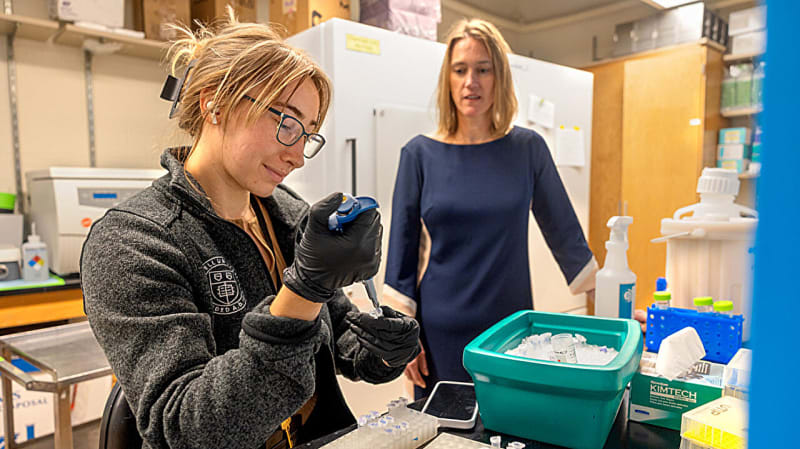
"This is the first study that shows B12 deficiency affects skeletal muscle mitochondrial energy production," said Martha Field, associate professor in the Division of Nutritional Sciences at Cornell. Muscles need constant energy to function, and B12 appears essential for keeping that power flowing.
The discovery gets even better. When researchers gave B12 supplements to older mice, their muscle function improved. The same could happen in humans.
One in four older adults in developed countries shows suboptimal B12 levels, often without knowing it. That's millions of people who might be losing muscle mass and strength simply because they're not getting enough of this vital nutrient.
The research team, including Field and former lab members Luisa Castillo and Katarina Heyden, mapped exactly how B12 interacts with cellular processes. What they found surprised them: B12 influences multiple pathways in our cells, meaning low levels create ripples throughout the body.
The study, published in the Journal of Nutrition, suggests that even "marginal" B12 status, not full deficiency, may compromise how our bodies handle stress and aging. Classic deficiency symptoms like anemia and nerve problems only show up after significant damage. These new biomarkers could catch problems much earlier.
The Ripple Effect
This discovery reaches far beyond individual health. Worldwide, B12 deficiency remains common, especially in low-income areas where meat consumption is limited and among older adults whose bodies absorb nutrients less efficiently.
The Cornell team proposes using B12 biomarkers to create personalized nutrition strategies. Instead of generic supplement recommendations, future guidance could tailor B12 intake to each person's metabolism and lifestyle. This precision nutrition approach could help people maintain muscle strength, energy, and independence as they age.
Vegans and vegetarians face particular risk since B12 comes primarily from animal products. But simple supplementation could protect millions from preventable muscle loss and metabolic decline.
Field emphasized that while these findings came from cell models and mice, they set the stage for human clinical trials. "We want to understand the whole causal pathway, understanding the molecules and mechanisms," she said.
The next step is testing whether B12 supplementation can restore muscle function in older adults who show early signs of insufficiency. If successful, a simple, affordable vitamin could become a powerful tool for healthy aging.
For now, the message is clear: B12 deserves attention not just for preventing deficiency diseases, but as a key player in maintaining vitality throughout life.
More Images


Based on reporting by Medical Xpress
This story was written by BrightWire based on verified news reports.
Spread the positivity!
Share this good news with someone who needs it