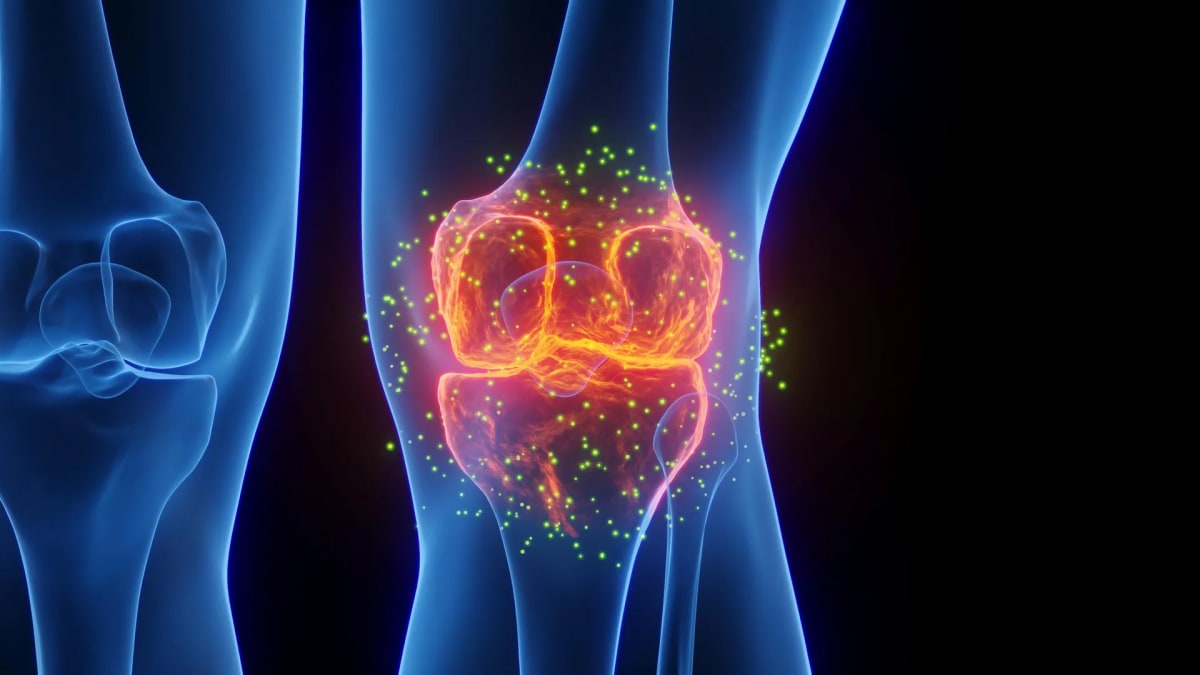
Vitamin B3 Extends Survival in Mice with Deadly Disease
Scientists matched vitamins to genetic diseases and discovered that vitamin B3 dramatically extends survival in mice with NAXD deficiency, a disorder that usually kills children within months. This genetics-first approach could unlock safe, affordable treatments for dozens of rare genetic diseases.
A simple vitamin just became a lifesaver for mice with a deadly genetic disorder, and it could open doors for treating children with rare diseases using supplements already sitting on pharmacy shelves.
Scientists at Gladstone Institutes flipped traditional drug discovery on its head. Instead of starting with a disease and searching for a cure, they started with vitamins and used genetics to find which diseases might respond to them.
Their breakthrough came with NAXD deficiency, a devastating genetic disorder that typically kills children in their first few months of life. When the researchers created mice with this condition, the animals died within just five days.
But mice treated with daily high-dose vitamin B3 injections told a completely different story. They lived for 300 days and counting, appearing completely healthy and indistinguishable from normal mice.
The science behind this transformation reveals why the match works so perfectly. NAXD deficiency causes damaged forms of energy-carrying molecules to build up in the brain while depleting the healthy versions cells need to survive.
Vitamin B3 stepped in to restore that balance. Brain inflammation disappeared, and crucial molecule levels returned to normal in treated mice.
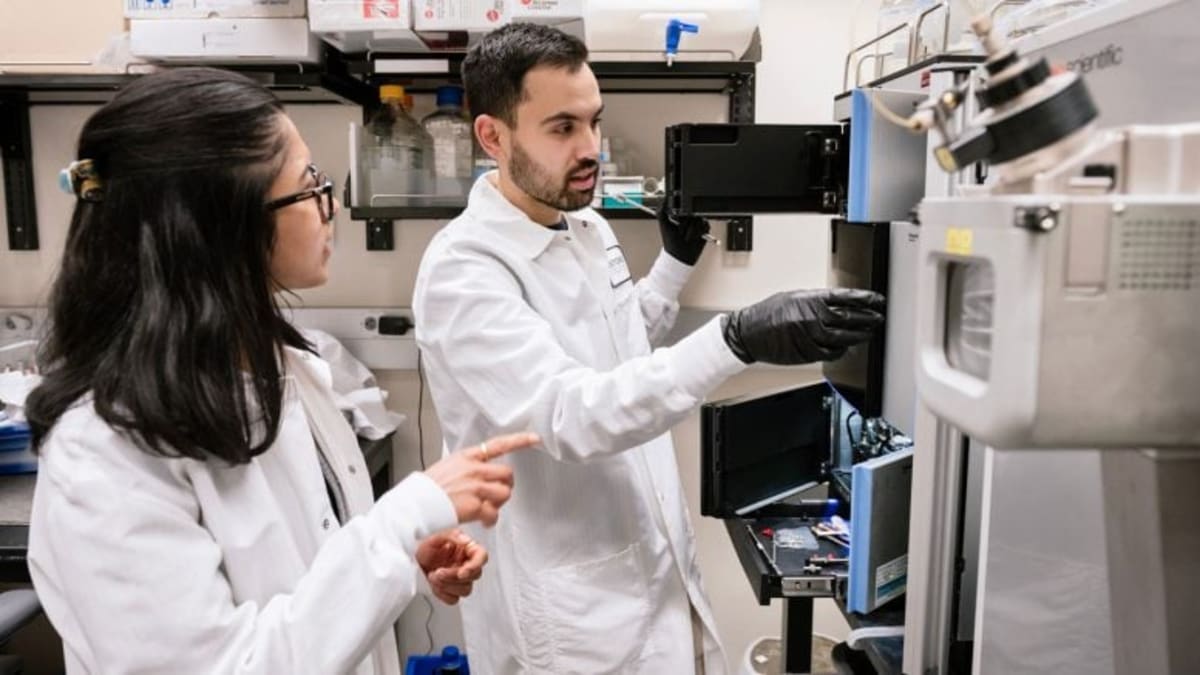
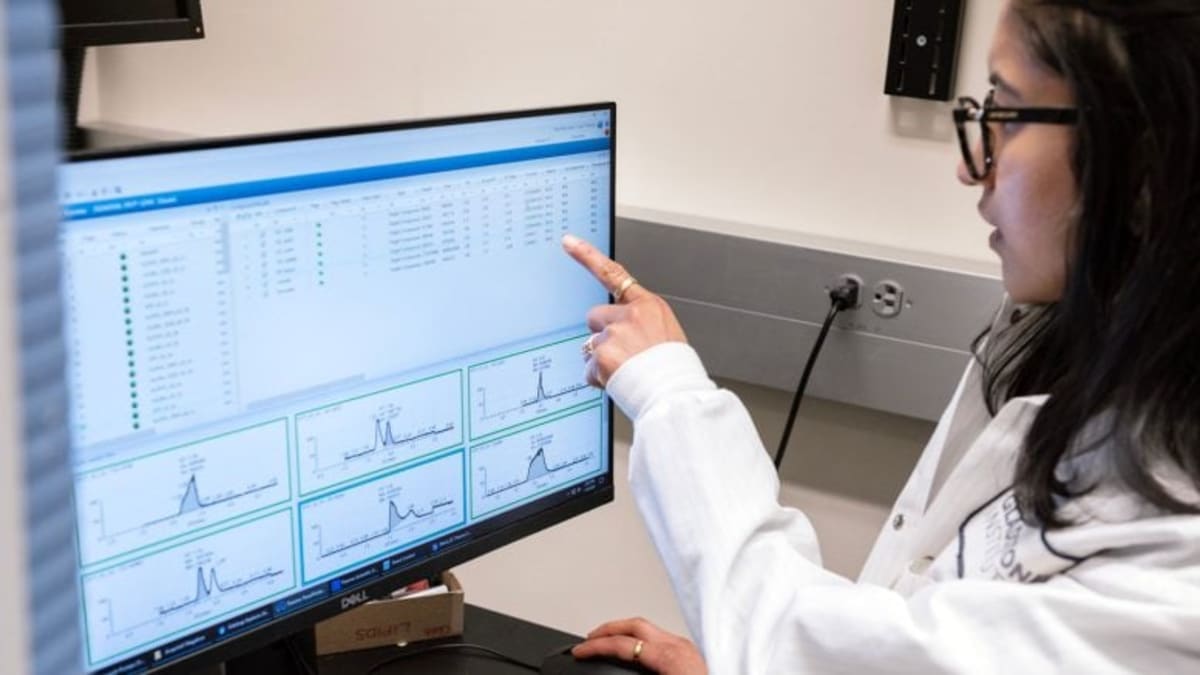
The research team used CRISPR gene editing to test thousands of genetic conditions against vitamins in human cells. Each edited cell represented a different genetic disease that affects real patients.
Why This Inspires
This isn't just about one rare disease. The same screening method identified dozens of other genetic conditions that might respond to vitamin B2 or B3 therapy.
What makes this approach especially hopeful is its accessibility. Vitamins are safe, inexpensive, and already widely available, unlike many experimental treatments that cost hundreds of thousands of dollars.
Lead researcher Dr. Isha Jain recently won a prestigious NIH Transformative Research Award to expand this work. Her team is bringing modern genetic tools back to vitamin research, an area that produced multiple Nobel Prizes in the early 1900s but has been largely overlooked in recent decades.
The key difference from today's random vitamin supplementation is precision. This research uses rigorous genetics to match specific vitamins with specific diseases, targeting treatment where it can actually help.
While human trials haven't started yet, the mouse results were so striking that they offer genuine hope for families facing these rare genetic disorders. The treated mice didn't just survive slightly longer; they lived 40 times longer and showed no signs of disease.
This genetics-first framework could transform how we think about treating rare diseases, proving that sometimes the most powerful cures have been hiding in plain sight all along.
More Images


Based on reporting by Google News - Disease Cure
This story was written by BrightWire based on verified news reports.
Spread the positivity!
Share this good news with someone who needs it