Vitamin B3 Shows Promise Against Deadliest Brain Cancer
A small trial in Calgary found that high-dose vitamin B3 helped 82% of glioblastoma patients avoid disease progression for six months, compared to the typical 54%. While early and requiring more study, the affordable supplement appears to rejuvenate immune cells to better fight this aggressive cancer.
For patients facing glioblastoma, one of the most aggressive brain cancers known, a simple vitamin might offer new hope.
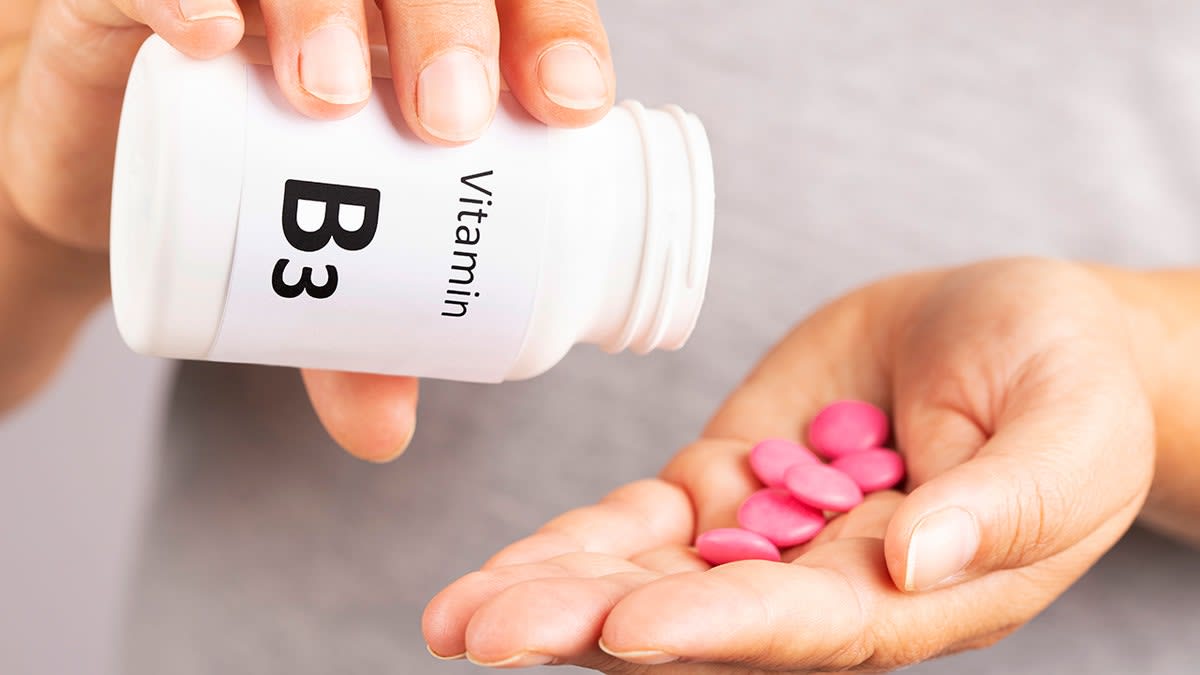
Researchers at the University of Calgary discovered that high-dose vitamin B3 (niacin) helped immune systems fight back against this devastating disease. In a small trial of 24 patients, 82% showed no cancer progression six months after adding niacin to standard treatments. That's a remarkable jump from the typical 54% who achieve this milestone.
Glioblastoma normally gives patients just 12 to 18 months to live. The cancer doesn't just grow aggressively. It actually suppresses the immune system that should be fighting it.
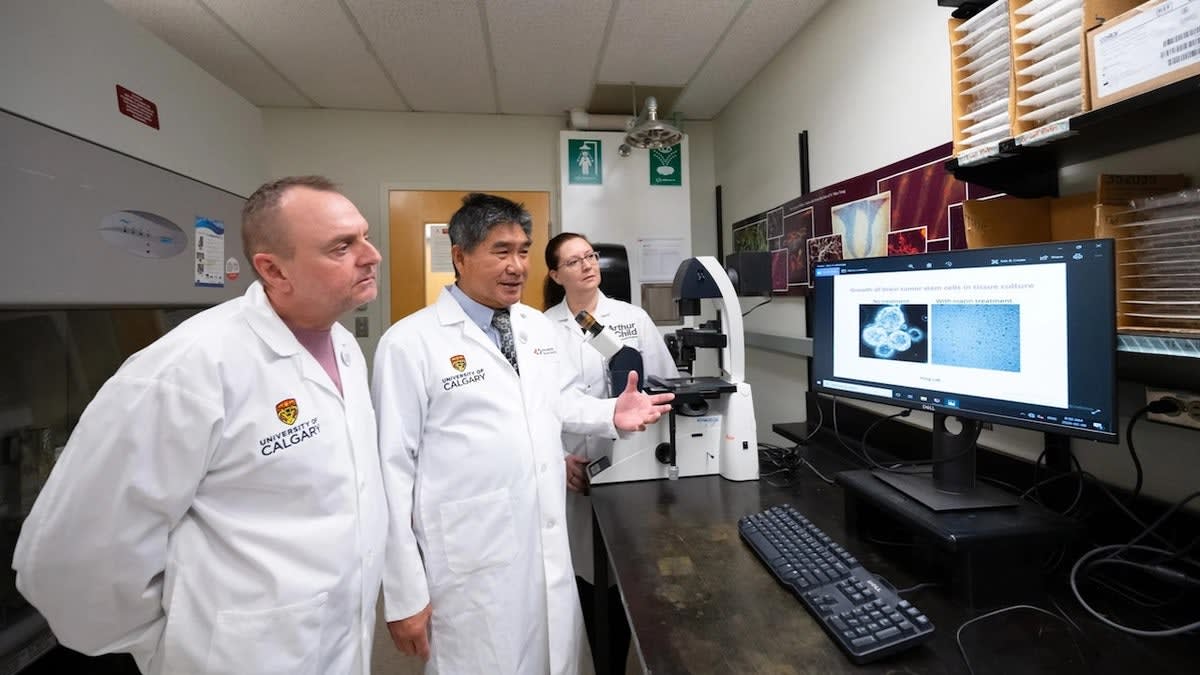
Dr. Wee Yong, the neuroscientist leading the research, describes the disease as a "battle for the brain." Niacin appears to give the immune system reinforcements by restoring function to weakened cells. Once rejuvenated, these cells can do their job: attack and destroy tumors.
The vitamin isn't a magic bullet. Researchers emphasize this is early research with a small group and short follow-up period. They need larger, controlled trials to confirm what they're seeing.
The Bright Side
What makes this discovery particularly exciting is the treatment's accessibility. Vitamin B3 is inexpensive and widely available, unlike many cutting-edge cancer therapies that cost hundreds of thousands of dollars.
Dr. Marc Siegel, a Fox News medical analyst not involved in the study, notes that B vitamins like niacin are "underrecognized as immune boosters." Previous research has shown vitamin B3 reduces inflammation and strengthens immune function.
The team plans to enroll 24 more patients by early 2027 to further test safety and effectiveness. They're cautious but optimistic.
Lead researcher Dr. Gloria Roldan Urgoiti reminds patients that survival rates for glioblastoma haven't improved significantly in 20 years. "Anything that may help should be explored," she says, while stressing the need for strict medical monitoring.
High doses of vitamins can cause health risks, including skin flushing from niacin. Patients should never attempt this therapy without doctor supervision.
Still, after two decades of limited progress against this deadly cancer, a 28% improvement in disease control offers something families desperately need: a reason for hope.
More Images

Based on reporting by Fox News Health
This story was written by BrightWire based on verified news reports.
Spread the positivity!
Share this good news with someone who needs it