
Vitamin D Cuts Flu Hospitalization Risk by 33%
New research shows people with low vitamin D face 33% higher hospitalization rates for respiratory infections. The discovery offers a simple way to strengthen your immune system during flu season.
Scientists just found that a vitamin sitting in your medicine cabinet could help protect you from severe flu complications.
Researchers analyzed health data from over 36,000 people in the UK Biobank and discovered something remarkable. People with severely low vitamin D levels had a 33% higher rate of hospitalization for respiratory infections compared to those with healthy levels.
The findings get even more interesting. For every small increase in vitamin D levels, hospitalization rates dropped by 4%. That adds up to real protection during a flu season that's hitting communities hard across the country.
About 18% of Americans don't get enough vitamin D, making this discovery particularly relevant right now. "Vitamin D plays a role in optimal immune system function," says Dr. Amesh Adalja, an infectious disease expert at Johns Hopkins Center for Health Security.
The vitamin works double duty for your immune system. It strengthens your body's first defense against germs and helps your immune system learn to fight infections more effectively.
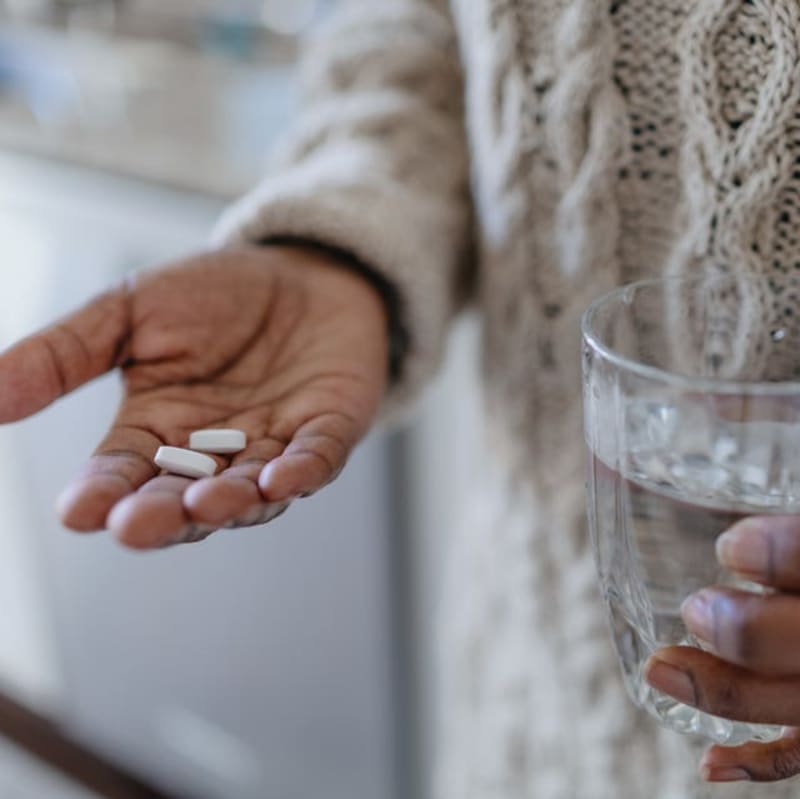
Most adults need 600 international units of vitamin D daily, though people over 70 should aim for 800 IU. You can get it from sunshine, foods like salmon and fortified milk, or supplements.
Before you rush to buy supplements, doctors recommend getting a blood test first. Vitamin D can build up in your body if you take too much, potentially causing problems with calcium levels.
Why This Inspires
This research puts real power in our hands during flu season. While getting vaccinated and washing hands remain crucial, maintaining healthy vitamin D levels offers another layer of protection that's accessible to nearly everyone.
The study focused on people with severe deficiencies, suggesting that even modest improvements in vitamin D status could make a meaningful difference. For those living in areas with limited winter sunlight, that's particularly good news.
Doctors emphasize this isn't a magic cure. A vitamin D supplement works as "one more piece that may help," says Dr. Thomas Russo, an infectious disease professor at the University at Buffalo. But in a season where every bit of protection counts, that extra piece matters.
The best part? Checking your vitamin D levels is simple, and fixing a deficiency is straightforward and affordable for most people.
More Images



Based on reporting by Google News - Researchers Find
This story was written by BrightWire based on verified news reports.
Spread the positivity!
Share this good news with someone who needs it